

 Post a comment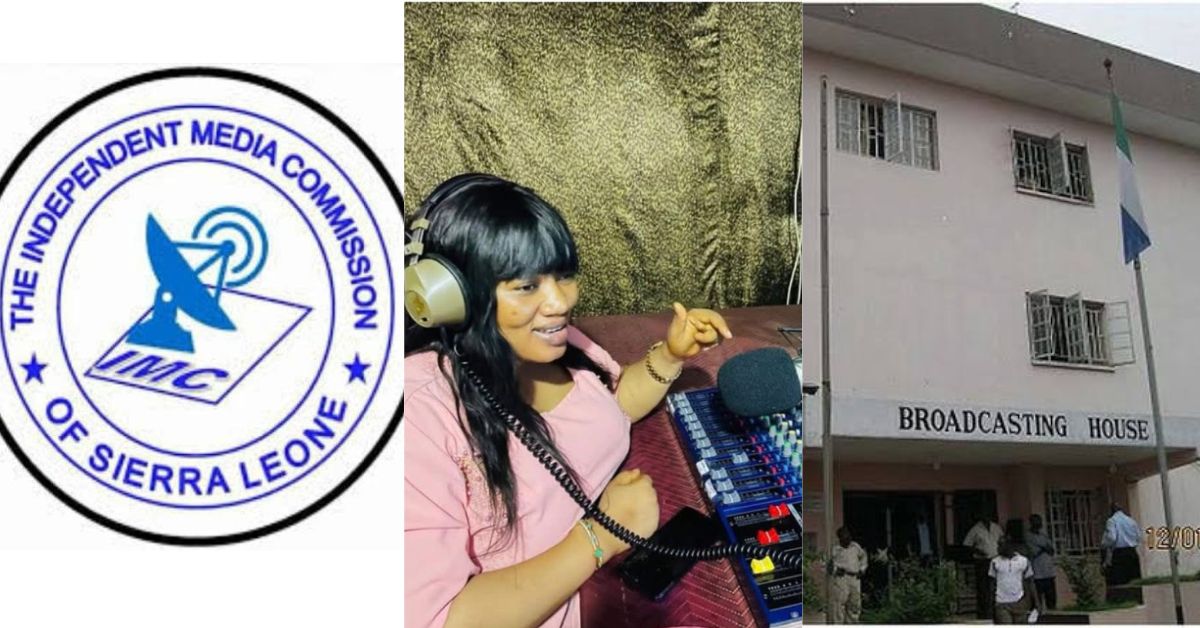
The Independent Media Commission (IMC) has reportedly ruled that the Sierra Leone Broadcasting Corporation (SLBC) unlawfully dismissed journalist Umu Thoronka and has recommended that the state broadcaster compensate her.
The decision followed a series of three hearings that began in November 2024, during which the IMC examined the circumstances surrounding Thoronka’s dismissal from SLBC TV in July 2024.
In its ruling, the commission determined that “SLBC failed to exercise due diligence in handling the termination process” and recommended that “the SLBC shall compensate Ms. Thoronka.”
The judgment has been welcomed by the Women in the Media Sierra Leone (WIMSAL), which is calling on the broadcaster to comply with the ruling without delay.
In a statement issued on March 11, WIMSAL President Eastina Taylor-Tucker said the organization supports the IMC’s decision and urged the SLBC to act swiftly.
“This ruling is a clear affirmation that women in the media deserve fairness, dignity, and respect in their workplaces,” Taylor said. “We call on SLBC to swiftly honor its obligation and pay the rightful compensation due to our member, setting a precedent for accountability across the sector.”
Thoronka was dismissed after posting a video on her TikTok account that showed an incident in which a woman was publicly humiliated for asking a question during a presidential town hall meeting.
Following the post, SLBC management issued a statement distancing the corporation from the journalist, claiming she was not an SLBC staff member and that her social media activity violated internal policy.
According to WIMSAL, Thoronka faced threats and harassment around the time of her dismissal. The organization said she experienced online attacks, visits to her home by unidentified individuals and death threats. Although she reported the incidents to security agencies, the response was inadequate, forcing her to leave Sierra Leone and seek safety abroad.
Thoronka’s legal team welcomed the IMC ruling, describing it as a major step toward justice. Her lawyer, Paul Kamara, said the decision affirmed that her rights had been violated.
“This decision is not just a legal victory, it is a restoration of Ms. Umu Thoronka’s dignity. The ruling affirms that her rights were violated. We remain committed to ensuring she receives full justice, including before the Community Court of Justice of the Economic Community of West African States,” Kamara said.
The case has also drawn international attention. The Kennedy Human Rights Center (KHRC), which is supporting Thoronka’s legal challenge, said the matter reflects broader concerns about harassment of women in the media industry.
Ikechukwu Uzoma said Thoronka’s case highlights a pattern of sexual harassment faced by women journalists. “Umu Thoronka’s case is emblematic of the trend of sexual harassment within the media industry in Sierra Leone and across the world. A reality that Ms. Thoronka has decided to courageously confront,” he said, adding that female journalists often face quid pro quo harassment beginning in journalism schools and continuing in newsrooms.
In addition to the IMC proceedings, KHRC and WIMSAL have filed a case on Thoronka’s behalf at the Community Court of Justice of the Economic Community of West African States. The case alleges violations of her rights to freedom of expression, dignity, non-discrimination and safe working conditions.
Advocates say the IMC ruling represents an important milestone for accountability within the country’s media sector. WIMSAL has called on the government to use the case as an opportunity to address sexual harassment in media institutions and strengthen protections for women journalists in Sierra Leone.


