
VP Juldeh Jalloh Warns of Inequality Risks, Urges Inclusive Digital Reform at Sierra Leone Labour Conference
 Sahid Bangura
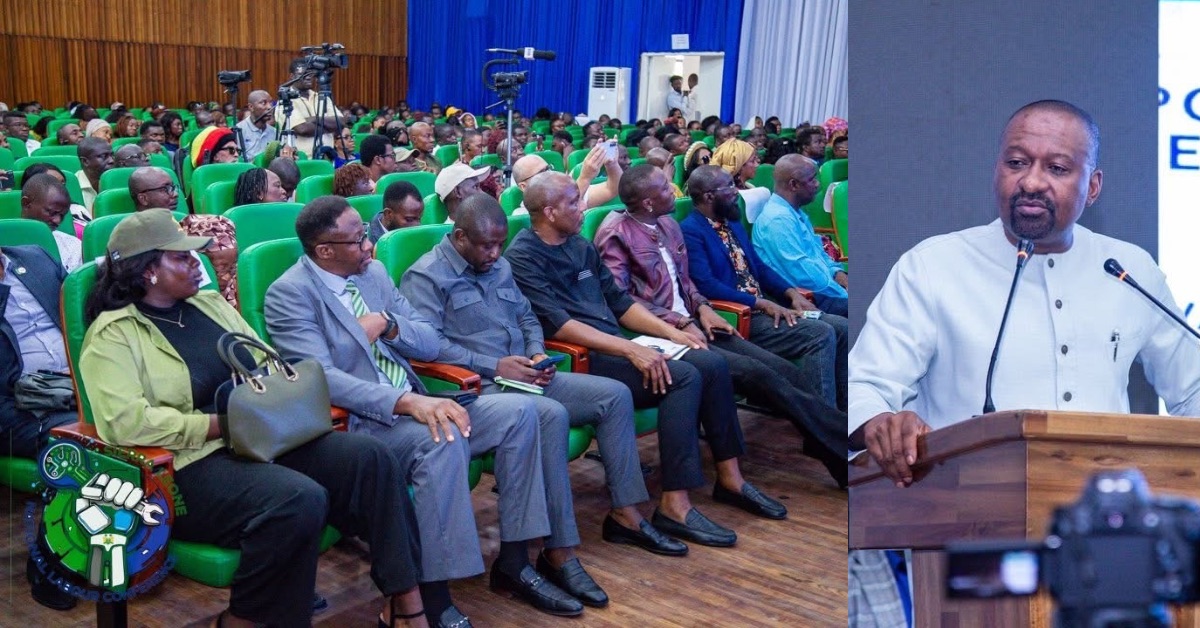
 Sierra Leone Vice President, Dr. Mohamed Juldeh Jalloh has called for deliberate policy action to ensure that Sierra Leone’s transition into the digital economy creates inclusive and decent work opportunities, warning that failure to act could deepen inequality.
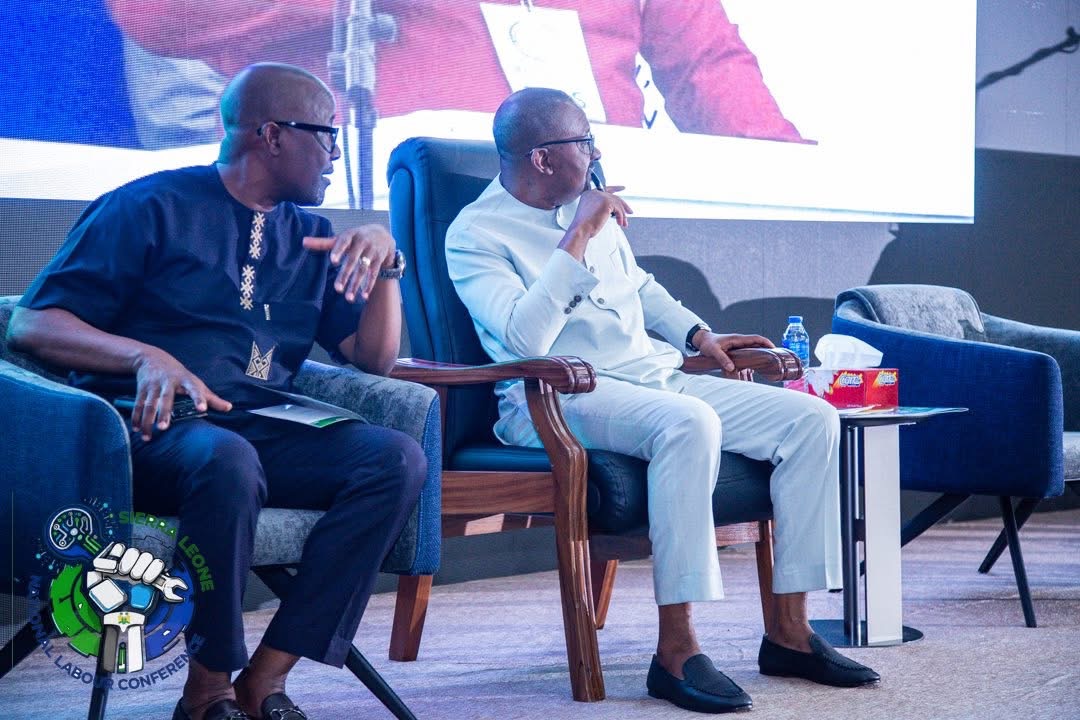
Delivering the keynote address at the 2026 National Labour Conference and Social Dialogue ahead of May Day celebrations, Jalloh said the gathering provided a platform to examine both the conference theme and the broader economic environment shaping employment and labour conditions in the country.
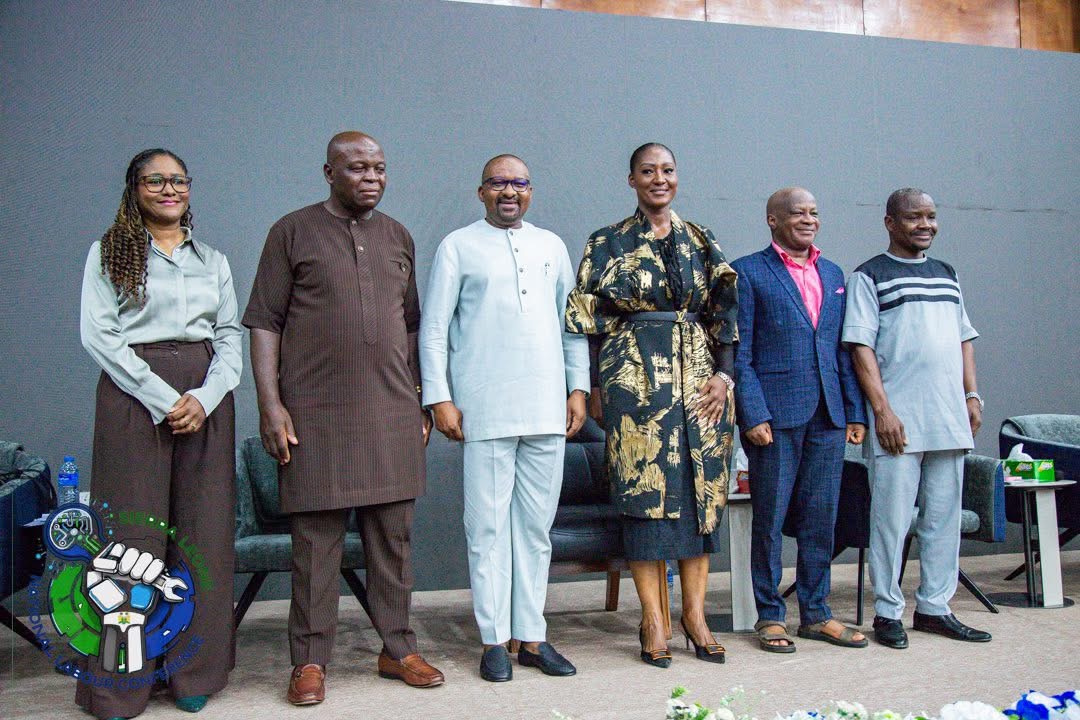
He described the conference as a cornerstone event in Sierra Leone’s May Day observance, bringing together policymakers, labour representatives, employers, innovators, and development partners to chart a path toward a more resilient and inclusive future of work.

Speaking on the theme “Challenges and Opportunities of Decent Work in the Digital Era,” the Vice President said digital technologies, including mobile platforms, e-commerce, remote work, freelancing, and artificial intelligence, are transforming economies and opening up new employment possibilities.
However, Jalloh cautioned that structural barriers continue to limit access to these opportunities for many Sierra Leoneans. He noted that a large segment of the workforce, particularly young people and women, remains in the informal sector where jobs are often insecure and lack social protection, fair wages, and safe working conditions.
He identified unreliable electricity supply, limited broadband connectivity in rural areas, shortages in digital skills, underemployment, and automation risks as major challenges confronting the country’s labour market. He also pointed to unequal access to finance and technology, especially for women entrepreneurs, as a constraint to inclusive growth.
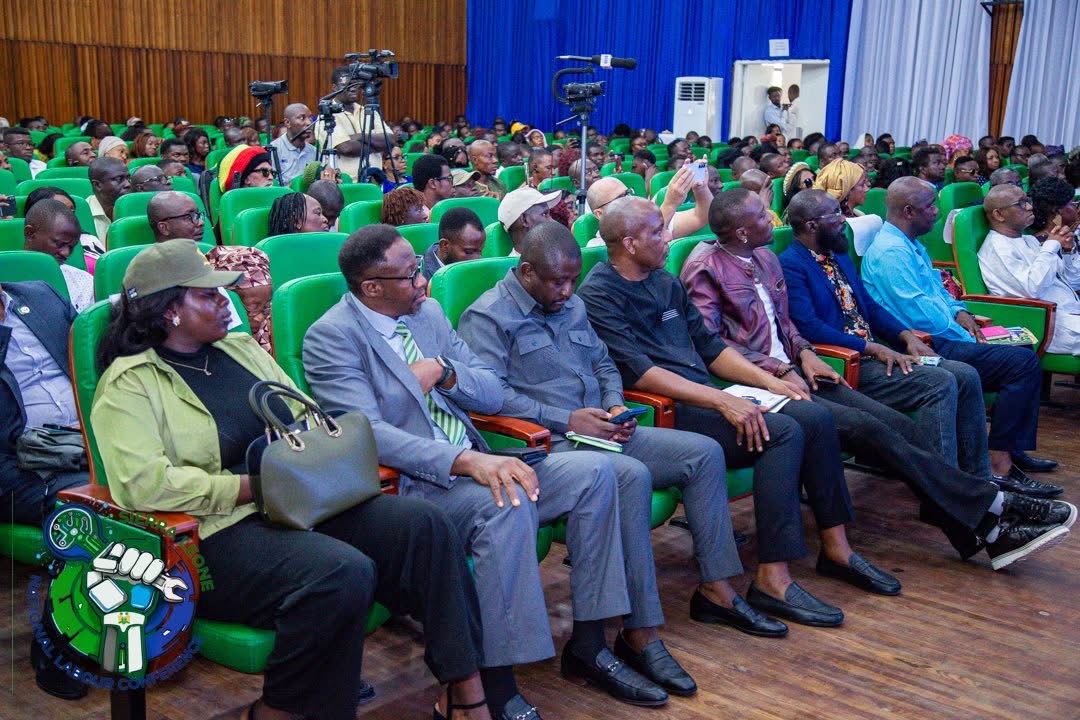
“Without deliberate policy action, digital transformation could widen inequality rather than reduce it,” Jalloh warned, emphasizing the need for targeted interventions to ensure that the benefits of technological change are shared across all segments of society.
The Vice President’s remarks came as government and labour stakeholders highlighted ongoing reforms in the sector. Chairing the event, Deputy Minister of Employment, Labour and Social Security, Mohamed Lansana Dumbuya, said the conference marked progress in strengthening labour governance and social dialogue.
He pointed to reforms including the ratification of international labour conventions and the enactment of key laws such as the Employment Act 2023 and the Work Permit Act 2023.
Dumbuya also cited improvements in workers’ welfare, including the recent increase in the national minimum wage and pension adjustments, while acknowledging persistent challenges such as youth unemployment, labour rights violations, and skills mismatches.
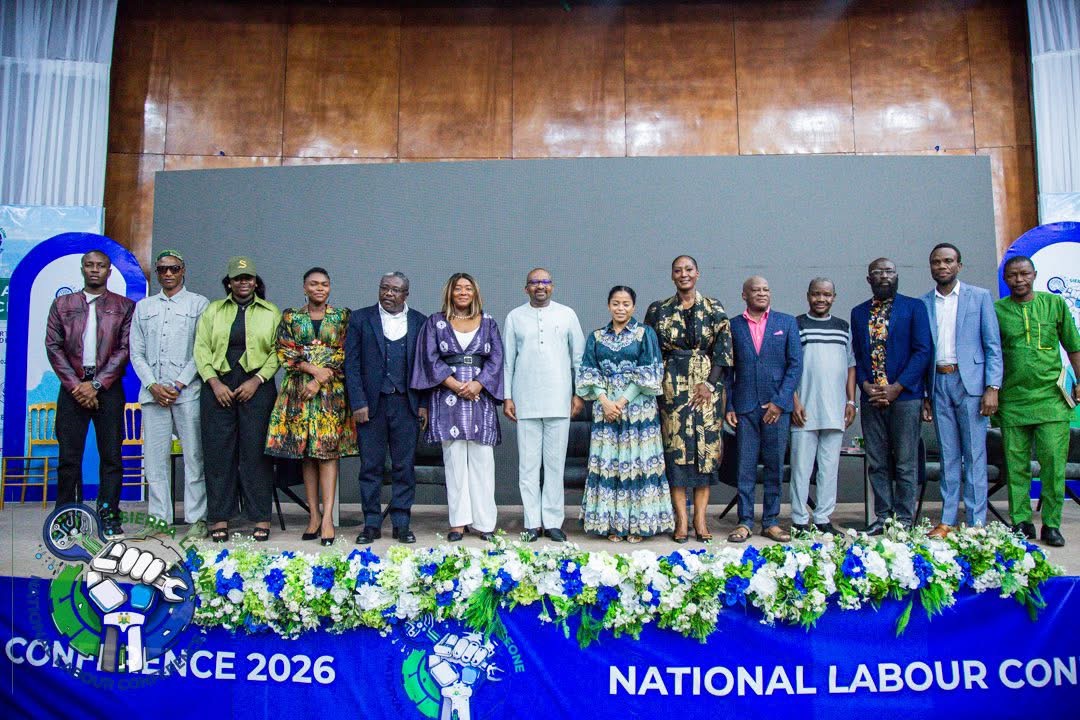
Representatives of organised labour and employers also echoed the importance of sustained dialogue. General Secretary of the Sierra Leone Labour Congress, Marx Conteh, described the conference as a step toward resolving labour concerns through engagement, while Employers’ Federation President Kobe Walker noted that digital transformation presents both opportunities and risks for jobs and productivity.
The conference concluded with discussions focused on bridging the gap between education and employment, addressing skills shortages, and exploring opportunities in emerging sectors such as the creative industry.
National May Day celebrations are expected to culminate with an event hosted by President Julius Maada Bio.
that’s good 👍😊