

 Post a comment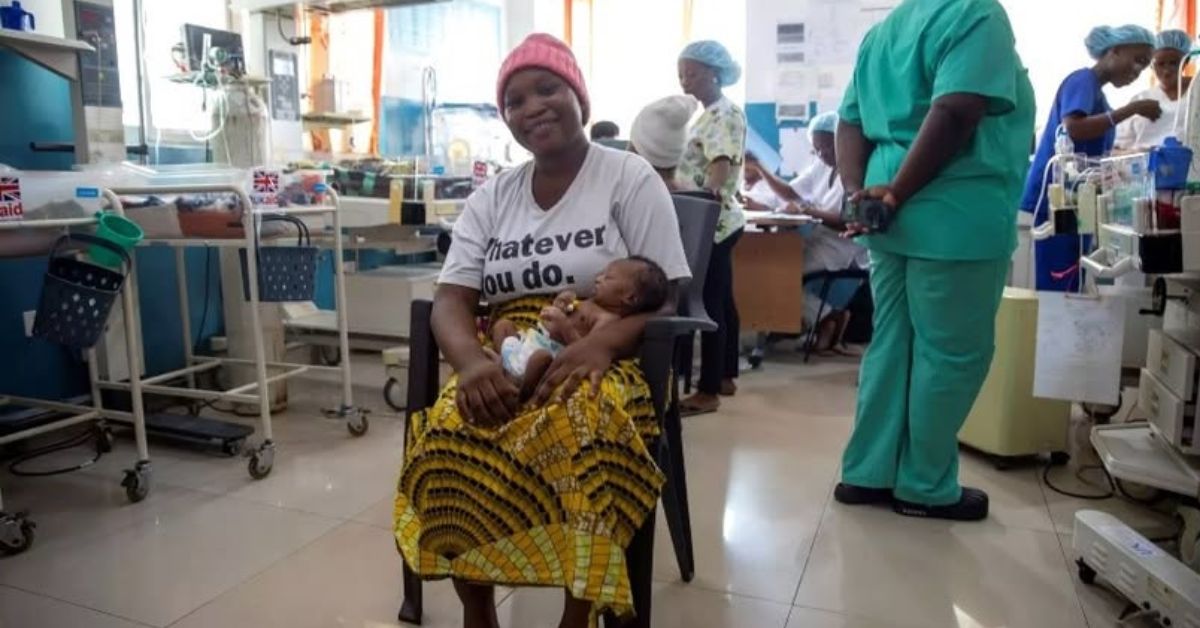
Sierra Leone has dramatically strengthened its national medical oxygen system, expanding from a single oxygen plant to twelve functioning PSA plants and distributing thousands of oxygen concentrators and delivery devices across hospitals and primary health units.
Coordinated investments by the Ministry of Health, UNICEF, and donor partners have improved neonatal and emergency care, reduced referrals, and made oxygen an accessible, reliable lifesaving commodity nationwide.
Chief Medical Officer, Dr. Sartie Kenneh, emphasized, “The coordinated efforts of the Ministry of Health, UNICEF, and our donor partners have fundamentally strengthened the oxygen ecosystem in Sierra Leone. Oxygen is becoming an essential, lifesaving part of our health system.”
Before 2021, the country depended heavily on a single oxygen plant at Connaught Hospital in Freetown and a limited number of oxygen concentrators at selected facilities.
Following the strains exposed by the COVID-19 pandemic, the Ministry of Health together with UNICEF and partners mobilized an ambitious national response to close critical oxygen gaps. Investments included new PSA plants, mass procurement of concentrators and pulse oximeters, training for health staff, and infrastructure upgrades such as Medical Gas Piping Systems and solarization of plants to ensure resilience against power outages.
In just four years, Sierra Leone has progressed from one oxygen plant to twelve PSA plants, thanks to coordinated investments from partners including Global Fund, Gavi, Islamic Development Bank, Republic of Korea, UNICEF SFF, FCDO, and USAID. Continued focus on maintenance, local capacity building, and renewable power integration will sustain gains and expand access to lifesaving oxygen services across the country.
“That is why we worked with UNICEF and partners to make strategic investments, including, new plants, training for staff, equipment, and even alternative power sources. Today, Sierra Leone is no longer the country with a single oxygen plant. We have twelve functioning PSA oxygen plants, with more on the way.”Dr. Denis Marke, Programme Manager for Health explained.
Paediatric Clinical Officer in the Special Care Baby Unit (SCBU) at King Harman Road Hospital Lamin Kanu, did says, “I remember before, we used to struggle to keep babies alive when they came in with breathing difficulties, It has changed the way we care for our patients.”
A Medical Gas Piping System (MGPS) is being introduced to allow direct bedside oxygen supply, further streamlining patient care.
“When my baby couldn’t breathe, I was so afraid I would lose him. The oxygen facility saved my child’s life,” A testimony from Gloria Fallah, a mother of a newborn treated for birth asphyxia.
These strategic steps have improved service delivery district hospitals report fewer referrals, community health centers can stabilize patients locally, and clinicians are able to administer timely oxygen therapy for newborns with respiratory distress, children with pneumonia, and patients with surgical or emergency needs.


