
Finance Minister Leads Sierra Leone Delegation to IMF-World Bank Spring Meetings
 Salamatu Y. Kamara
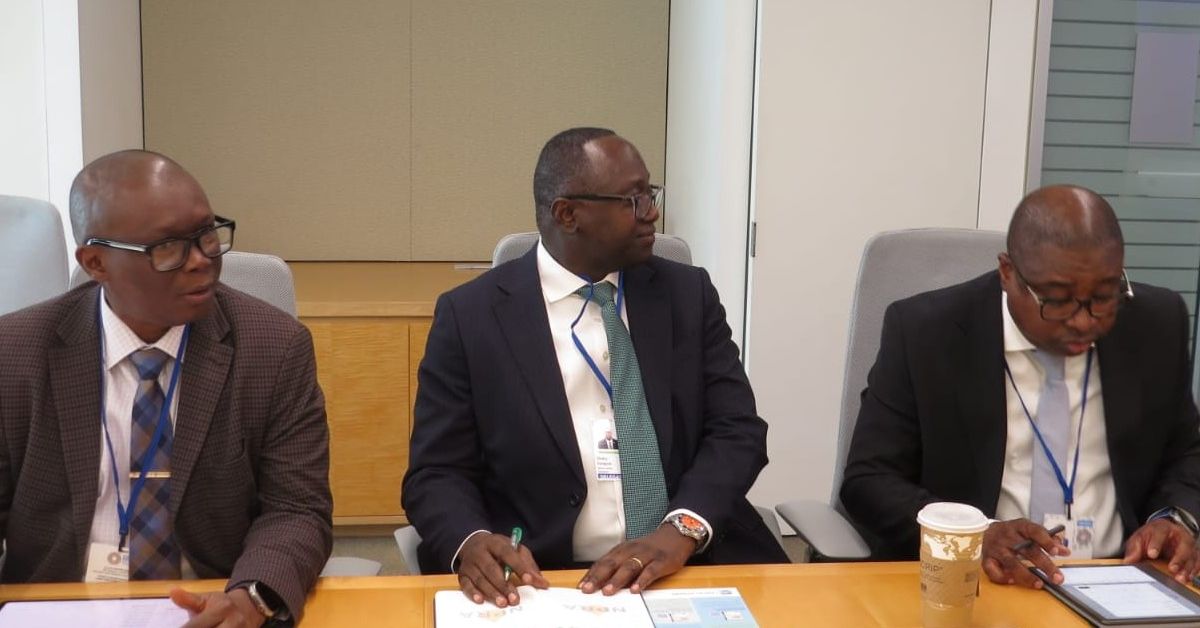
 Sierra Leone’s Minister of Finance, Sheku Ahmed Fantamadi Bangura, is leading a high-level delegation to the 2026 Spring Meetings of the International Monetary Fund and World Bank Group in Washington, D.C.
He is accompanied by senior government officials, including the Ministers of Energy and Basic and Senior Secondary Education, the Financial Secretary, as well as the Governor and Deputy Governor of the Bank of Sierra Leone, and chief economists from both institutions.
The meetings, scheduled for April 13–18, bring together finance ministers, central bank governors, development partners, investors, civil society representatives, and academics to deliberate on global economic trends and key international issues.

On the sidelines of the meetings, Minister Bangura held discussions with the Director of the IMF’s Fiscal Affairs Department (FAD), expressing appreciation on behalf of President Julius Maada Bio for continued technical support in public financial management. He highlighted reforms including the review of the Public Financial Management Act (2016), the Public Procurement Act (2016), improvements in cash management, and the transition to Government Finance Statistics 2014 standards.
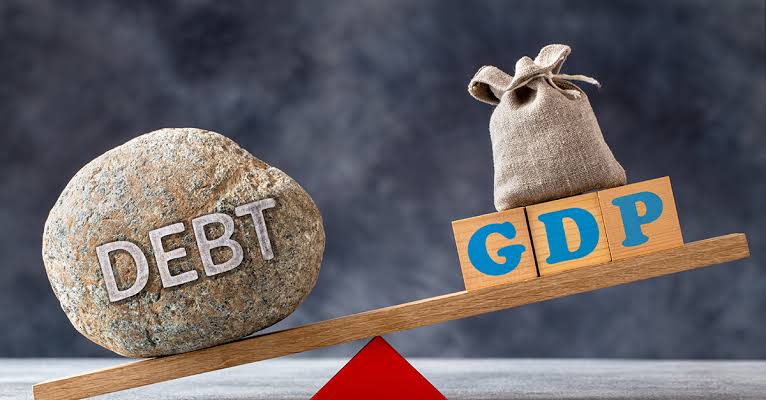
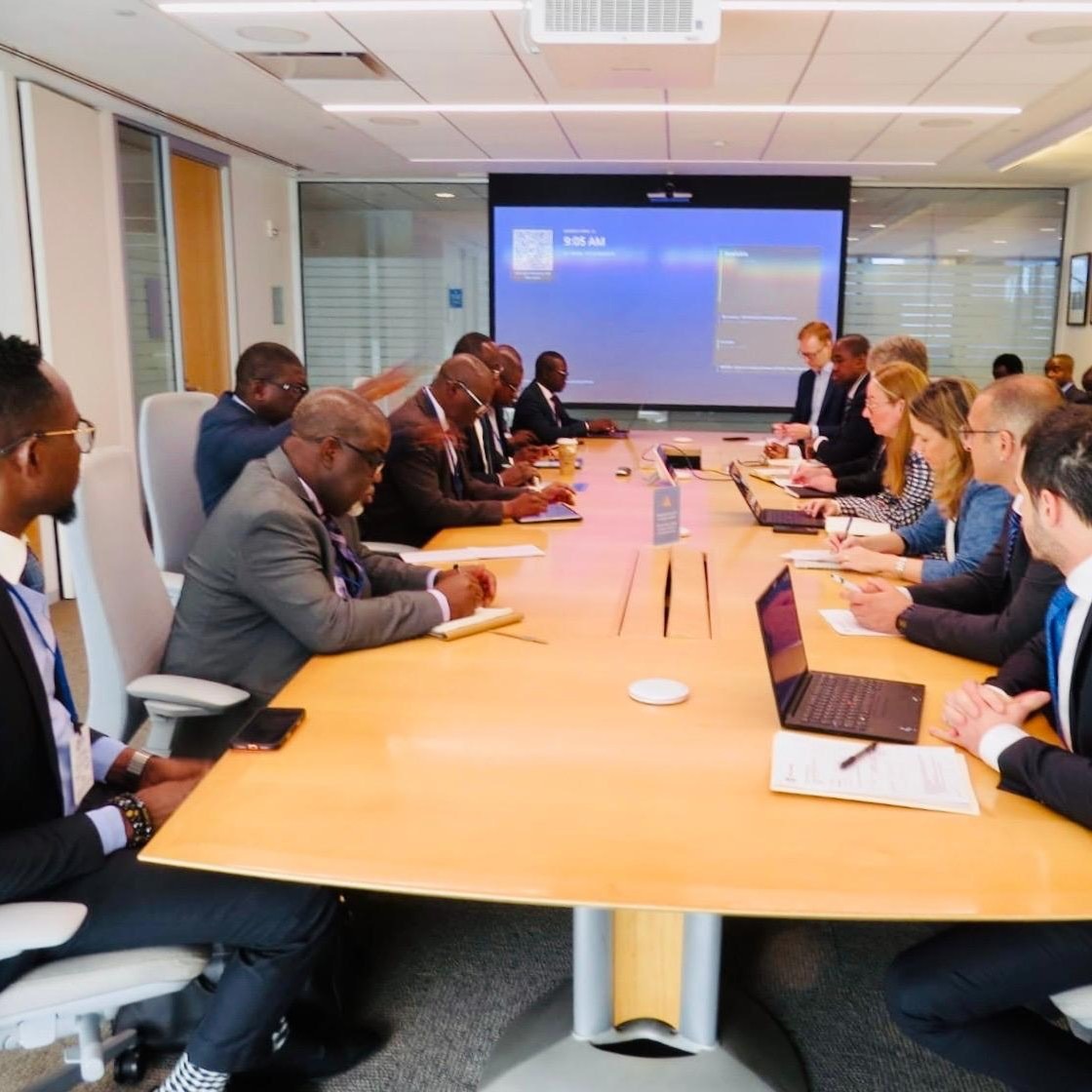
The Minister noted that government policies over the past two years have delivered gains in key macroeconomic indicators, including declining inflation, exchange rate stability, a positive primary balance, and sustainable interest rates on government securities.
However, he cautioned that the ongoing Middle East crisis poses risks to these gains and could undermine economic stability.
He further called for continued IMF support in strengthening capacity in the mining sector, particularly in areas such as transfer pricing, advance pricing agreements, tax reforms, and the ongoing review of the Medium-Term Revenue Strategy (2023–2027).
In a separate meeting with the IMF country team, led by Mission Chief Christian Saborowski, the Minister discussed recent economic developments and the potential impact of the crisis on Sierra Leone’s economic programme under the Extended Credit Facility (ECF).
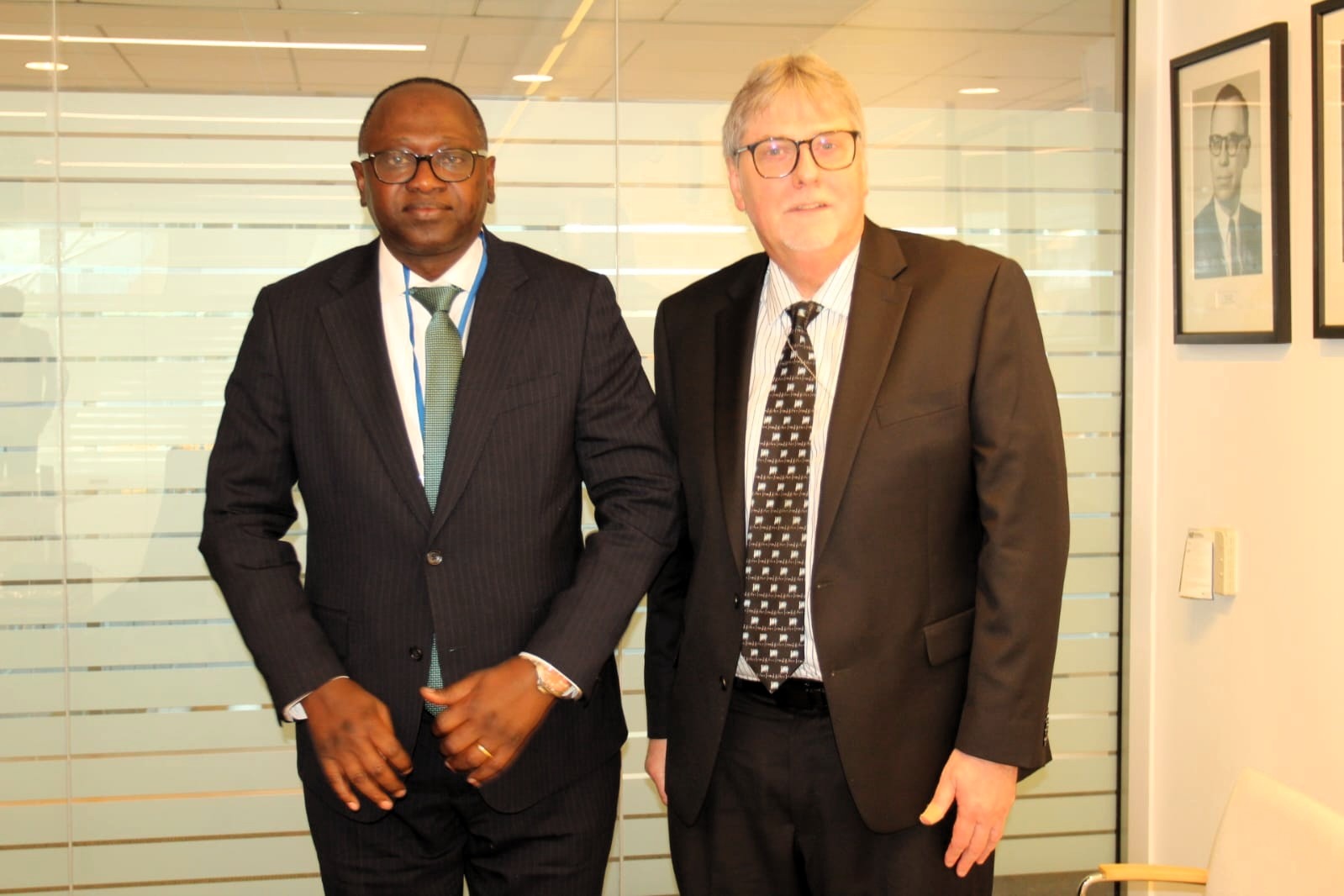
He noted that the crisis has created challenges for the existing framework, while outlining government measures to mitigate its effects and seeking clarity on IMF support for developing countries.
Mr Saborowski acknowledged the pressures facing developing economies, particularly regarding food security and poverty, and advised the government to maintain progress on performance targets and structural benchmarks to ensure completion of the programme’s third review in June 2026.
The Finance Minister also met with Dr Zarau W. Kibwe, Executive Director for the Africa West I Constituency at the World Bank Group, to explore possible support mechanisms. He noted that Sierra Leone’s country portfolio remains strong and that discussions are ongoing to utilise the Rapid Response Option to cushion the impact of the global crisis.
The meeting doesn’t make sense to me as well wisher to that nation. Lazy people always give hands to slavery chains. When Sierra Leoneans citizens be free from debts they didn’t use? Why Sierra Leoneans need IMF to grow their own economy with all they have than Burkina Faso? Sierra Leoneans are hard working souls but their leaders lazy, weaker, corrupt and inferior that’s the real reason of their suffering around the world today.