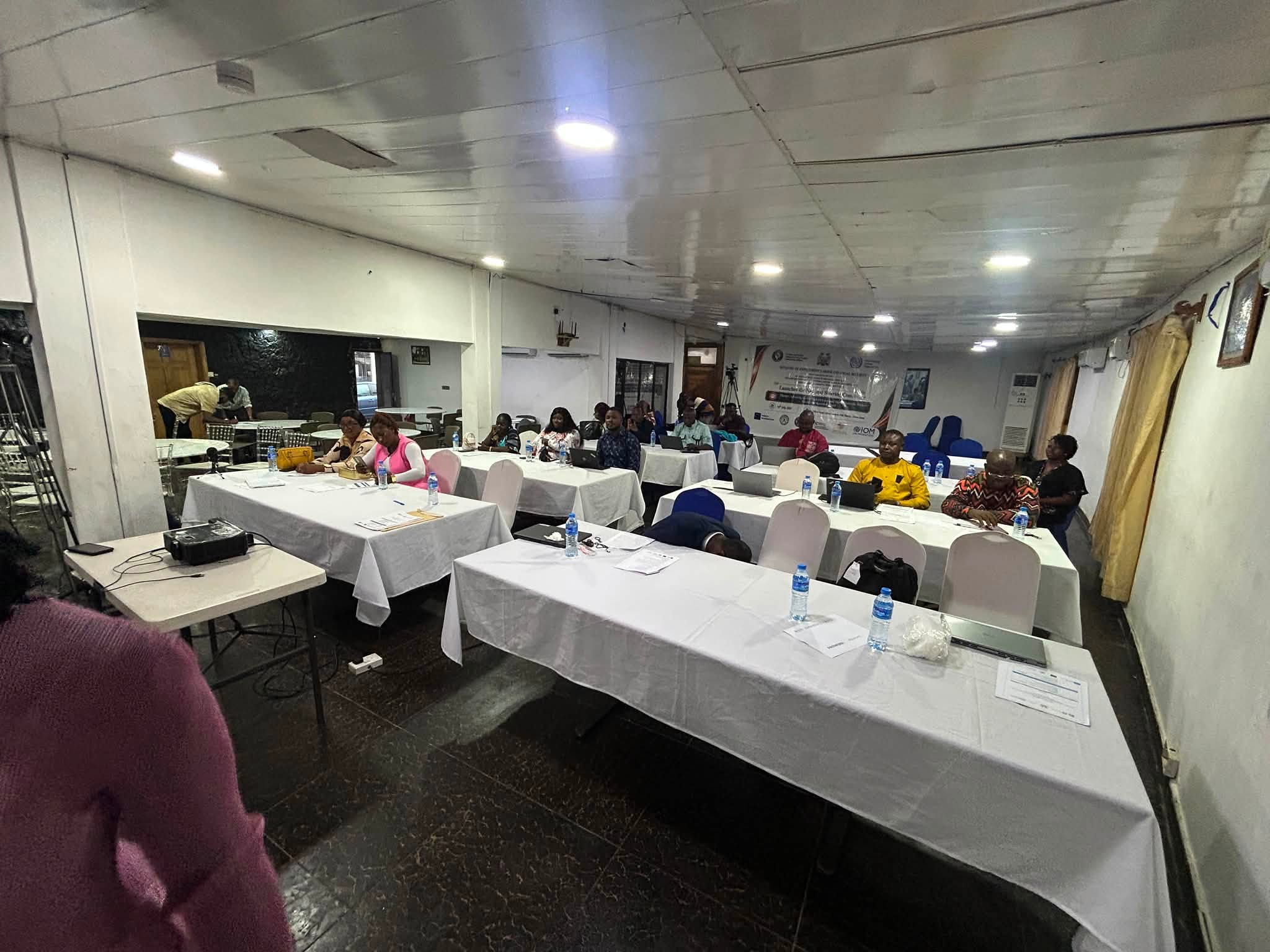
MELSS, ECOWAS and ILO Launch Workshop to Strengthen Protection for Domestic Workers
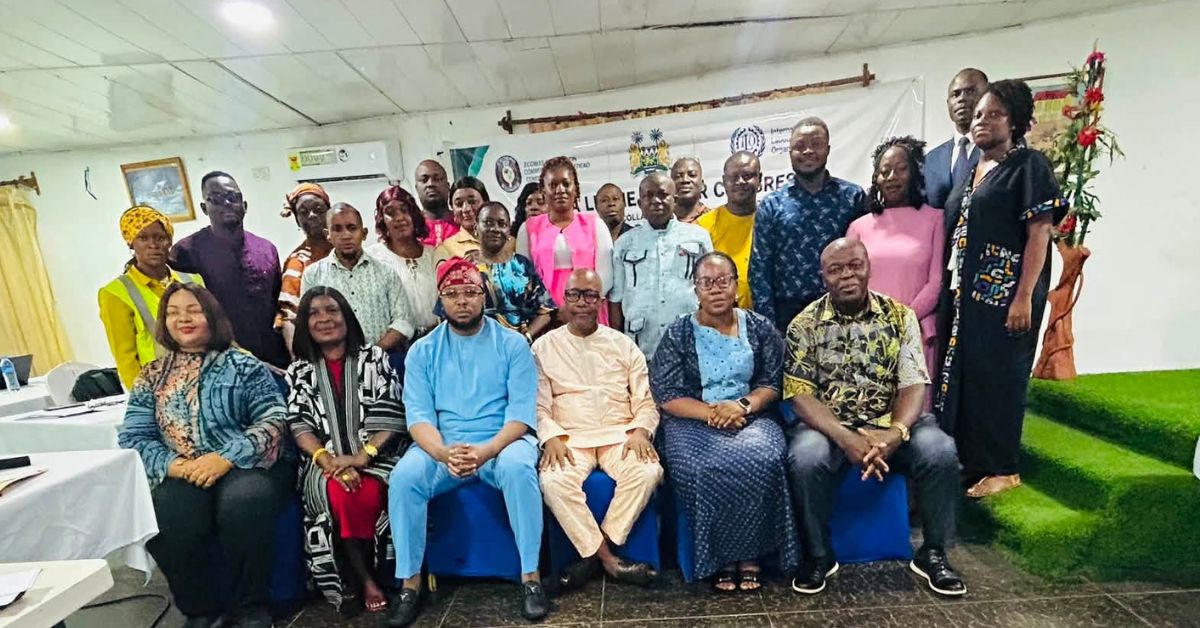
The Ministry of Employment, Labour and Social Security (MELSS), in collaboration with the ECOWAS Commission, the International Labour Organization (ILO), and its tripartite partners, has launched a two-day capacity-building workshop in Freetown to strengthen collaboration between labour inspectors and workers’ organisations and improve the implementation of ILO Convention No. 189 on Decent Work for Domestic Workers.
The workshop aims to enhance labour inspection, strengthen protection for migrant domestic workers, and improve enforcement of labour standards.

Speaking at the opening, Minister of Employment, Labour and Social Security, Hon. Mohamed Rahman Swaray, reaffirmed the Government’s commitment to protecting domestic workers, describing them as an often-overlooked workforce that deserves dignity, justice, and social protection. He noted that since Sierra Leone ratified ILO Convention No. 189 in 2021, the Government has introduced reforms through the Migrant Workers Act, including regulating recruitment agencies, promoting ethical recruitment, verifying overseas job opportunities, and strengthening safeguards for Sierra Leoneans seeking employment abroad. He also disclosed that the Ministry is considering reviewing the Act to address implementation gaps.


Representing the ECOWAS Directorate of Free Movement of Persons and Migration, Obinna Ajugwo commended Sierra Leone’s efforts to protect domestic workers’ rights, stressing that free movement within the region must be accompanied by adequate protection for migrant workers. He added that the workshop supports ECOWAS’ broader agenda of strengthening labour migration governance and promoting decent work across West Africa.
Senior Specialist for Workers’ Activities at the ILO Country Office, Inviolata Chinyangarara, highlighted the vulnerability of domestic workers due to informal employment, lack of contracts, excessive working hours, and limited access to labour rights. She noted that migrant domestic workers face additional challenges, including language barriers and limited awareness of their rights, underscoring the need for stronger labour inspection and social dialogue.
Secretary-General of the Sierra Leone Labour Congress, Marx Conteh, emphasised that effective enforcement is essential for translating labour laws into meaningful protection for workers. He called for stronger collaboration among stakeholders and innovative labour inspection approaches tailored to the domestic work sector.
The workshop is expected to develop practical tools, including labour inspection checklists and referral mechanisms, while strengthening cooperation among labour inspectors, trade unions, and other stakeholders to improve the protection of domestic workers in Sierra Leone.