

 Post a comment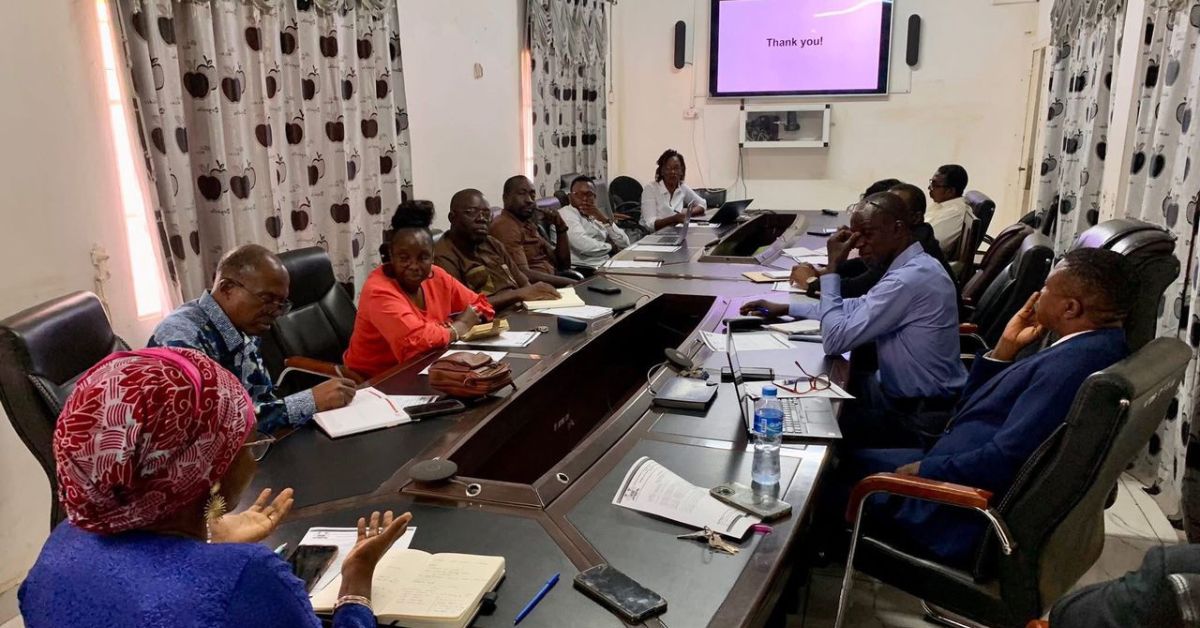
The Ministry of Technical and Higher Education (MTHE), working with the National Science, Technology and Innovation Council (NSTIC), has reviewed the progress of five nationally funded research and innovation projects supported by the African Centre for Technology Studies (ACT), as the initiatives enter their final stage of implementation.
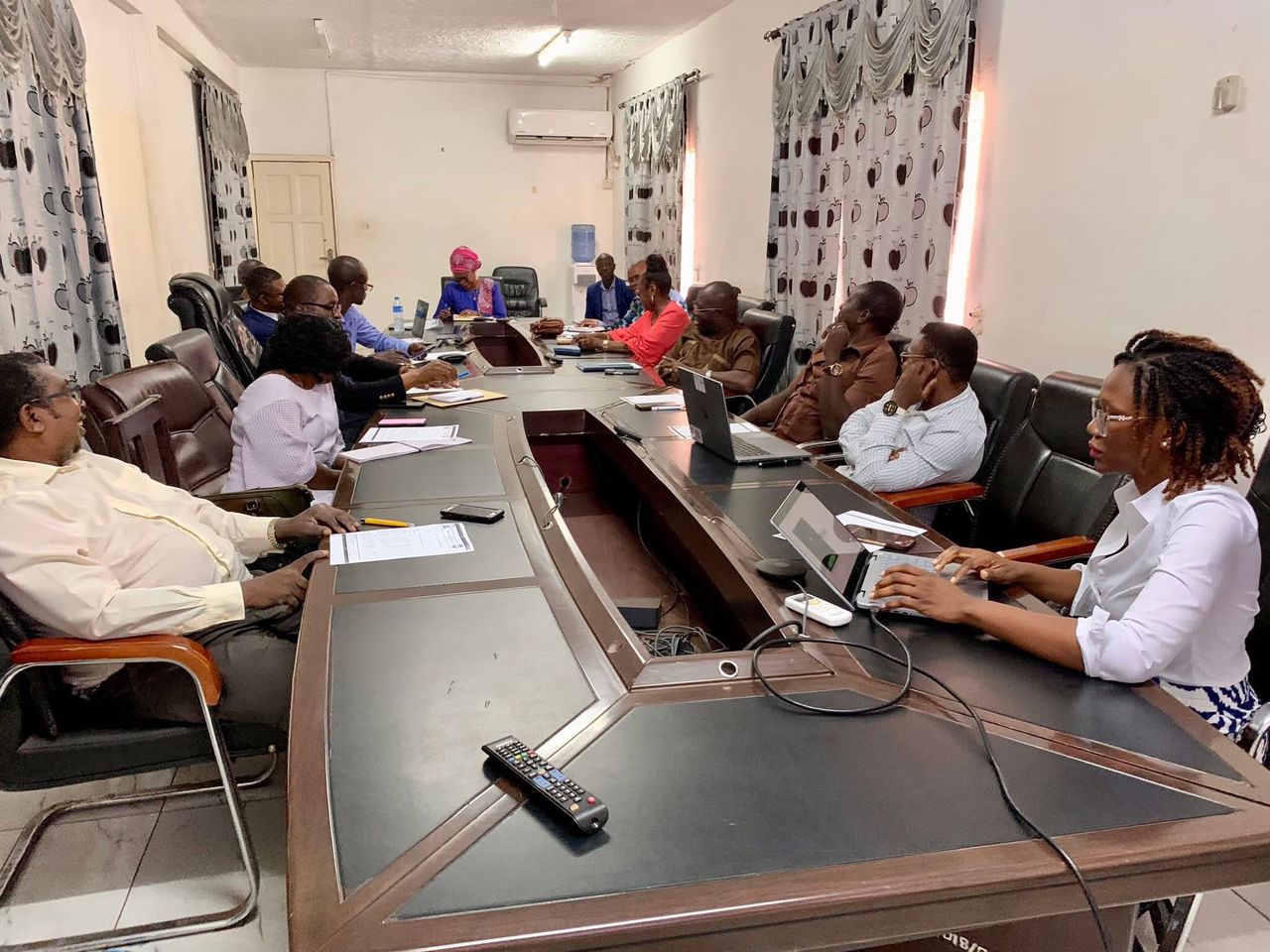
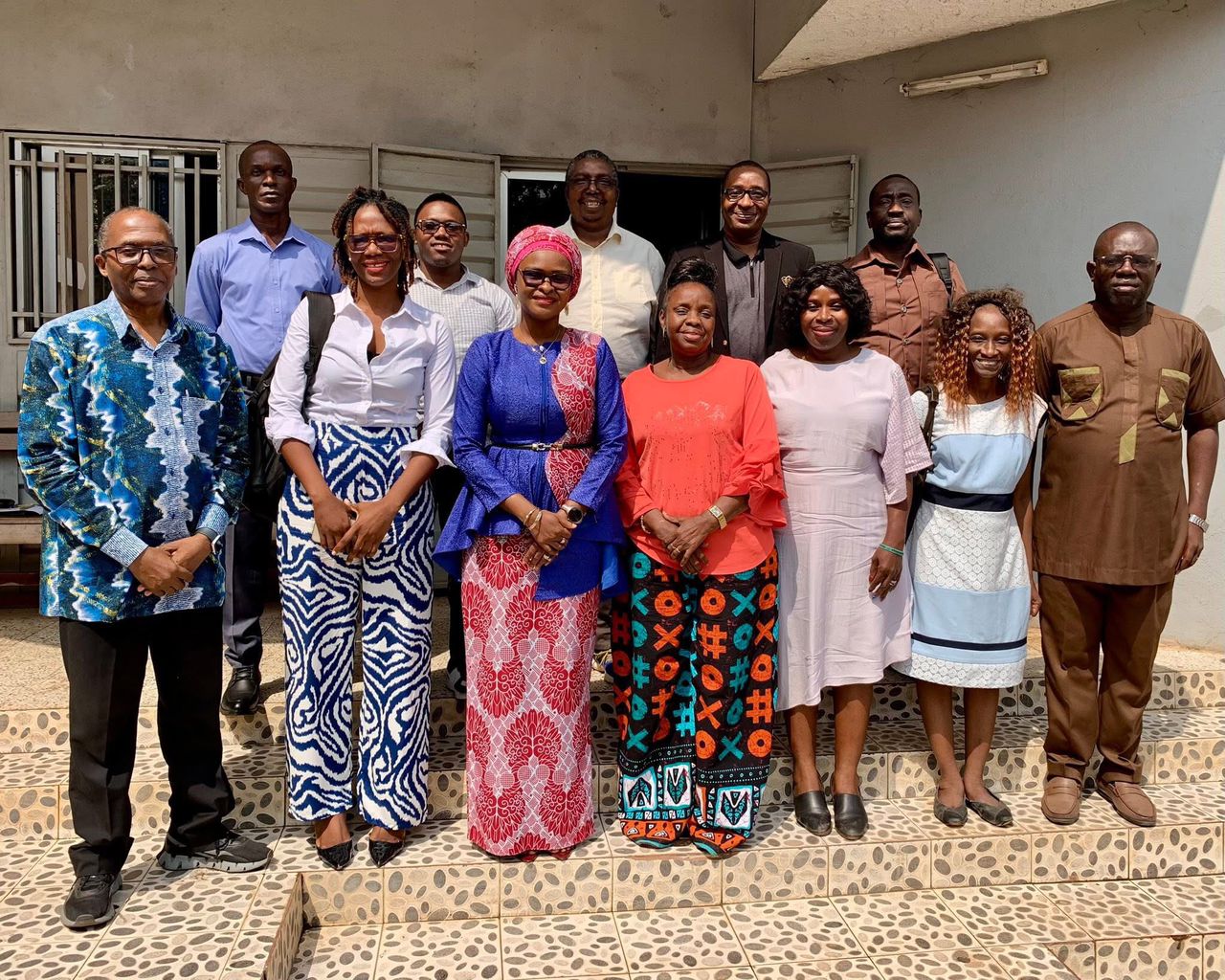
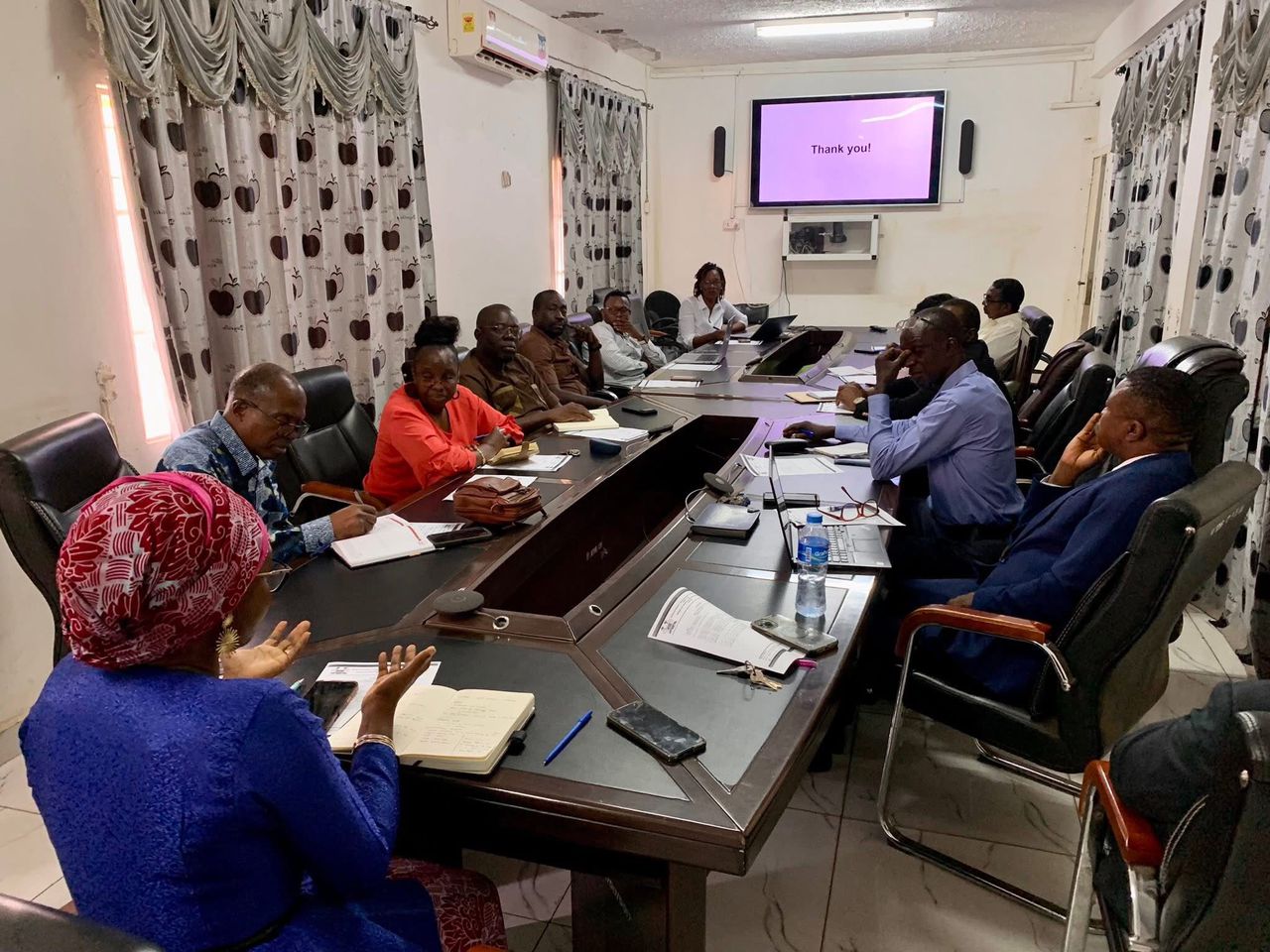
The review meeting, held at the Ministry in Freetown, brought together senior government officials, researchers and principal investigators from universities and tertiary institutions across Sierra Leone. The session focused on assessing achievements, challenges and early impacts of projects that have been implemented over the past two years.
Opening the session, the Director of Science Education at MTHE, Fatmata Kaiwa, said the ACT grant was secured through NSTIC to support five research projects across two major universities and other tertiary institutions, including a youth-led technology initiative.
She said the programme was designed to promote youth participation in science, technology and innovation, ensuring that research activities are inclusive and not limited to senior academics.
Kaiwa explained that the projects had already undergone an international evaluation by the Association of African Universities (AAU) in Accra and were now being subjected to a final local assessment ahead of a second AAU review.
She said the purpose of the presentations was to allow the Ministry to gain first-hand understanding of the progress, challenges and potential policy relevance of the research.
One of the projects reviewed focused on Chronic Pulmonary Aspergillosis (CPA), a fungal lung disease that is often misdiagnosed as tuberculosis (TB). Presenting the findings, Dr. Darlinda Jiba said that out of 400 patients assessed in several regional hospitals, 63 tested positive for aspergillosis. She said this shows that about 15.8 per cent of patients receiving TB treatment did not have TB but were instead suffering from CPA.
According to Dr. Jiba, CPA shares similar symptoms with TB, which leads to frequent misdiagnosis and inappropriate treatment. She said this increases the risk of death and exposes patients to unnecessary side effects from TB drugs.
She added that the project also trained healthcare workers to improve the detection of fungal infections, which are often overlooked in routine clinical practice. She identified limited access to chest X-ray services, unreliable electricity supply, and the high cost and limited availability of antifungal medicines as major challenges.
Another presentation highlighted an artificial intelligence-powered education platform designed to support learning in low-connectivity environments. Technical lead Emmanuel Kamanda said the platform addresses challenges such as limited internet access, language barriers and differences in learning pace among students.
He said the system provides personalized learning support, offline access, exam preparation tools and gamified learning features, and has already been piloted in more than 20 schools. He added that discussions are ongoing with the Ministry of Basic and Senior Secondary Education and development partners to expand the programme nationwide.
The review also featured a clean-cooking innovation known as the Cook Quick Stove. Presenting the project, Engineer Sheriff Kamara said the improved stove design aims to reduce fuel use, improve safety and lower smoke emissions.

He said the project uses a bottom-up approach by involving users from both rural and urban communities in testing and improving the stove to encourage acceptance and long-term use.
Responding to the presentations, the Minister of Technical and Higher Education, Dr. Haja Ramatulai Wurie, commended the researchers for using science, technology and innovation to address national development challenges.
She described the CPA findings as strong evidence for the need for in-service training of health workers and closer collaboration with the Ministry of Health, as well as advocacy at continental level through the Africa Centres for Disease Control and Prevention.
On the Cook Quick Stove project, Dr. Wurie said the innovation has significant health, environmental and economic benefits, particularly for women who are most exposed to cooking smoke.
She stressed the importance of moving beyond research to commercialization and industrialization within universities. She added that the Ministry is working with partners, including UNESCO, to develop a national research and innovation policy.
Chief Technical and Higher Education Officer, Dr. Josephus Brimah, said the presentations were timely and demonstrated how research, teaching and community service can produce practical solutions for national development.
The review ended with renewed commitment from MTHE and NSTIC to continue supporting researchers to attract additional funding, strengthen partnerships and ensure that scientific evidence informs policy decisions, professional practice and innovation in Sierra Leone.


