

 Post a comment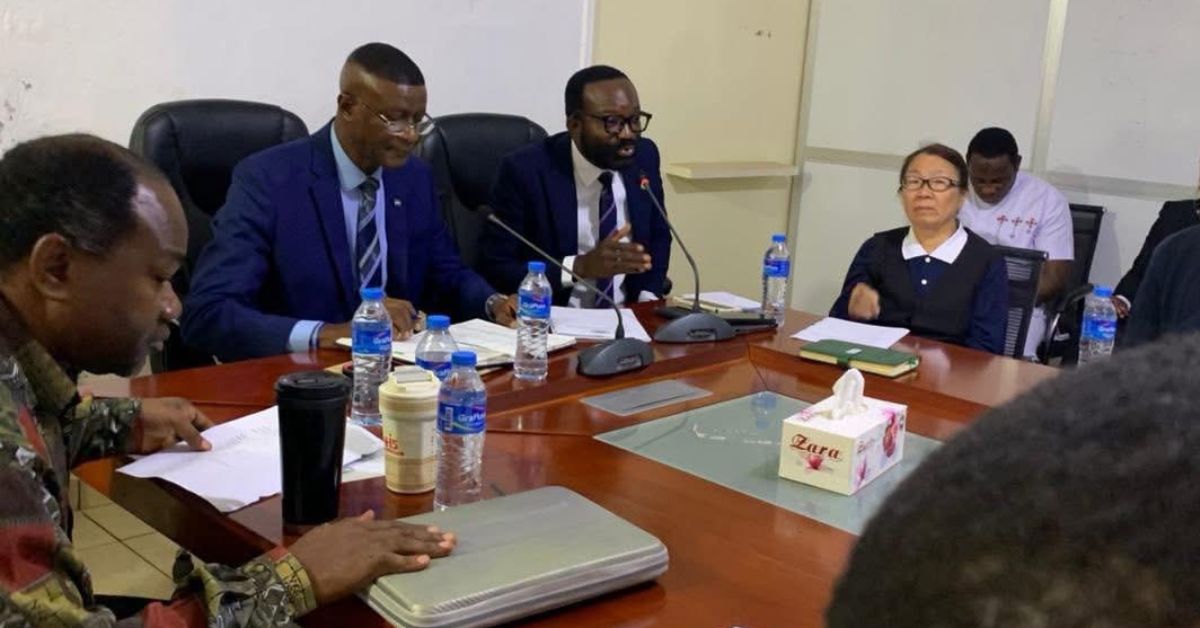
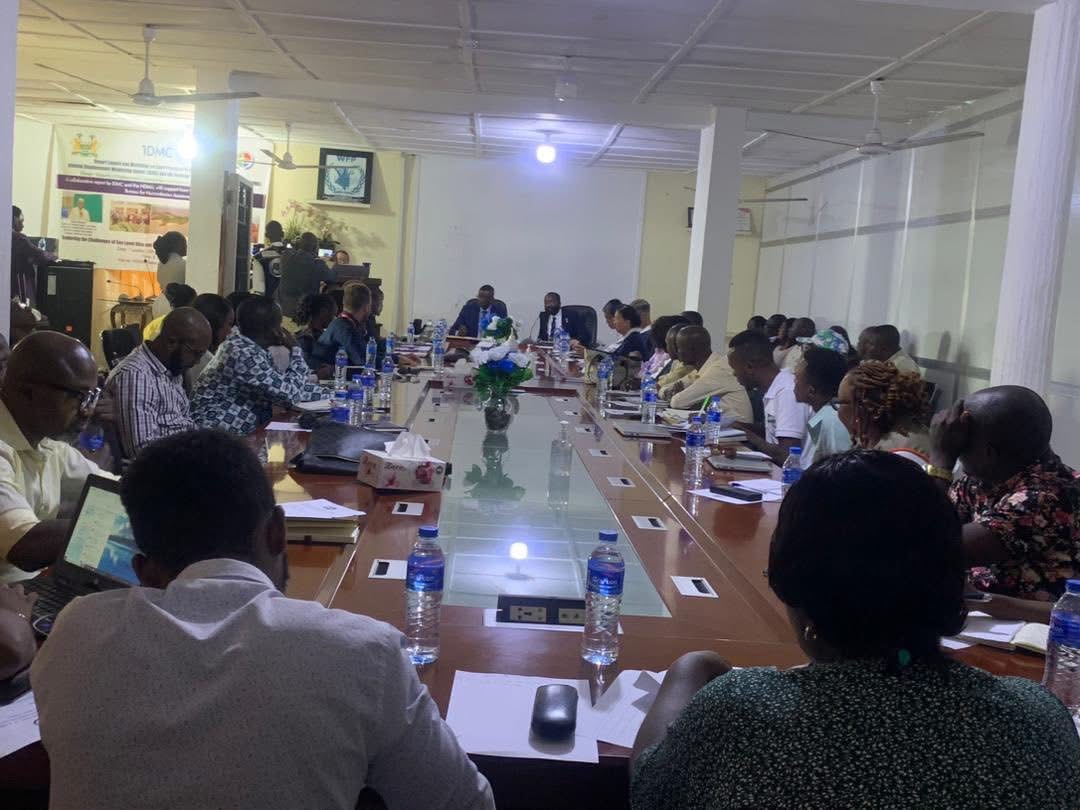
The National Disaster Management Agency (NDMA) on Thursday, 29 January 2026, convened the first Inter-Pillar Coordination Group (IPCG) meeting of the year at its headquarters in Aberdeen, Freetown.
The meeting brought together key partners, including the Sierra Leone Meteorological Agency (SLMeT), the Guma Valley Water Company (GVWC), and several other national and international organizations, to discuss enhancing disaster preparedness, risk reduction, and response coordination across Sierra Leone.
The IPCG serves as a vital platform for collaboration between Ministries, Departments, and Agencies (MDAs), alongside non-governmental organizations and other partners. Its primary purpose is to share crucial risk information, align disaster management interventions, and avoid duplication of efforts.
Through joint planning and early warning coordination, the IPCG seeks to enhance the country’s resilience to disasters and ensure a more coordinated and effective response.
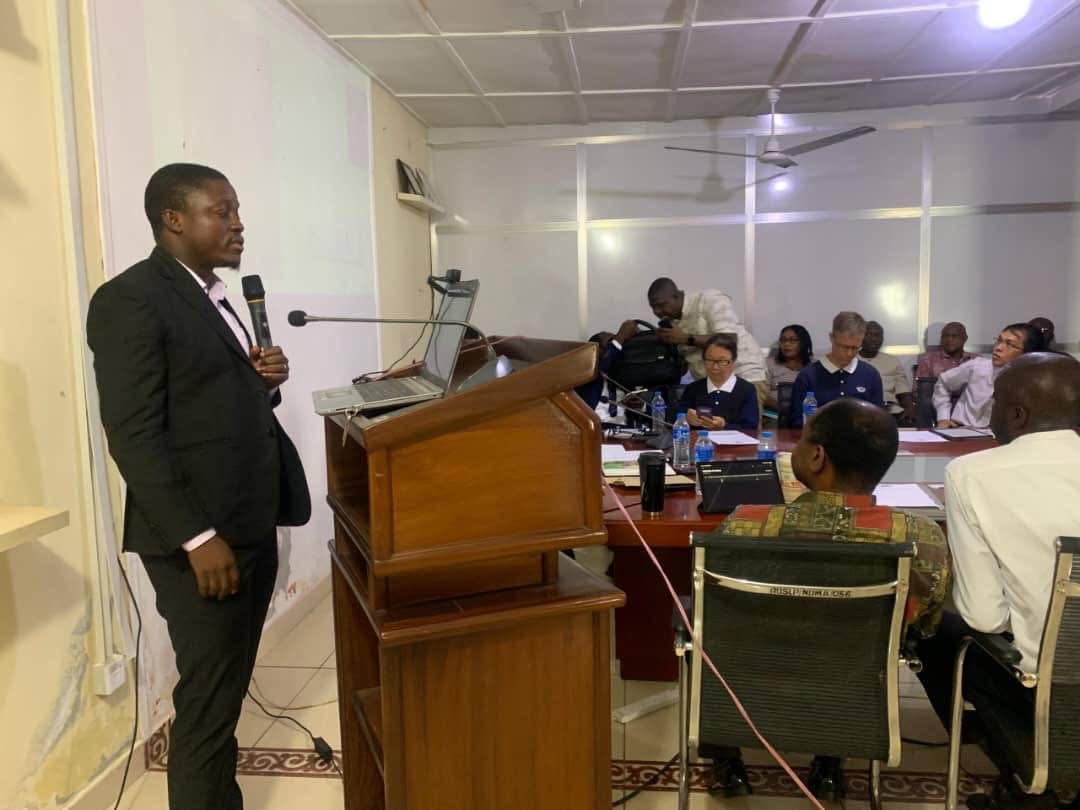
In his opening remarks, NDMA’s Director General, Mr. John V. Rogers, acknowledged the challenges faced by the Agency in 2025 and expressed appreciation for the continued support of partners.
He emphasized the importance of building stronger disaster management frameworks and said that the Agency would prioritize disaster risk assessment and monitoring in 2026. Mr. Rogers added that district-level response and contingency plans would be reviewed to enhance preparedness, noting that the 72-hour response time remains a critical standard for effective disaster management.
He also announced plans to develop a structured training and capacity-building framework with partners to improve disaster management skills across the country. While stressing that government support is essential, he highlighted the significant role of development partners in strengthening NDMA’s operations.
Mr. Rogers further reaffirmed the Agency’s commitment to integrating gender considerations into its operations, with a special focus on vulnerable groups, including children, the elderly, and persons with disabilities.
A major concern raised by Mr. Rogers was the issue of poor waste management, which has contributed to recurrent flooding in Freetown. He blamed the indiscriminate dumping of garbage into gutters and emphasized that NDMA is working closely with the Freetown City Council to address the problem. He also condemned the proliferation of roadside garages, which he said contribute to environmental risks by spilling oil onto the streets.
The Deputy Director General of the Sierra Leone Meteorological Agency (SLMeT), Mr. Gabriel Kpaka, highlighted the Agency’s mandate to collect, analyze, and disseminate weather data. He noted that while SLMeT has developed a home-grown machine-learning forecasting system, expert judgment remains essential for accurate weather predictions. Mr. Kpaka announced plans to issue regular weather bulletins and targeted advisories, particularly aimed at the transport sector, including aviation and marine operators.
Representing the Guma Valley Water Company, Managing Director Mr. Marina Kallon discussed the growing threat posed by encroachment and rapid population growth. He revealed that 290 houses have been constructed on water transmission pipelines, with one such construction in the Mambo Community resulting in the loss of 49,000 cubic metres of water during emergency repairs.
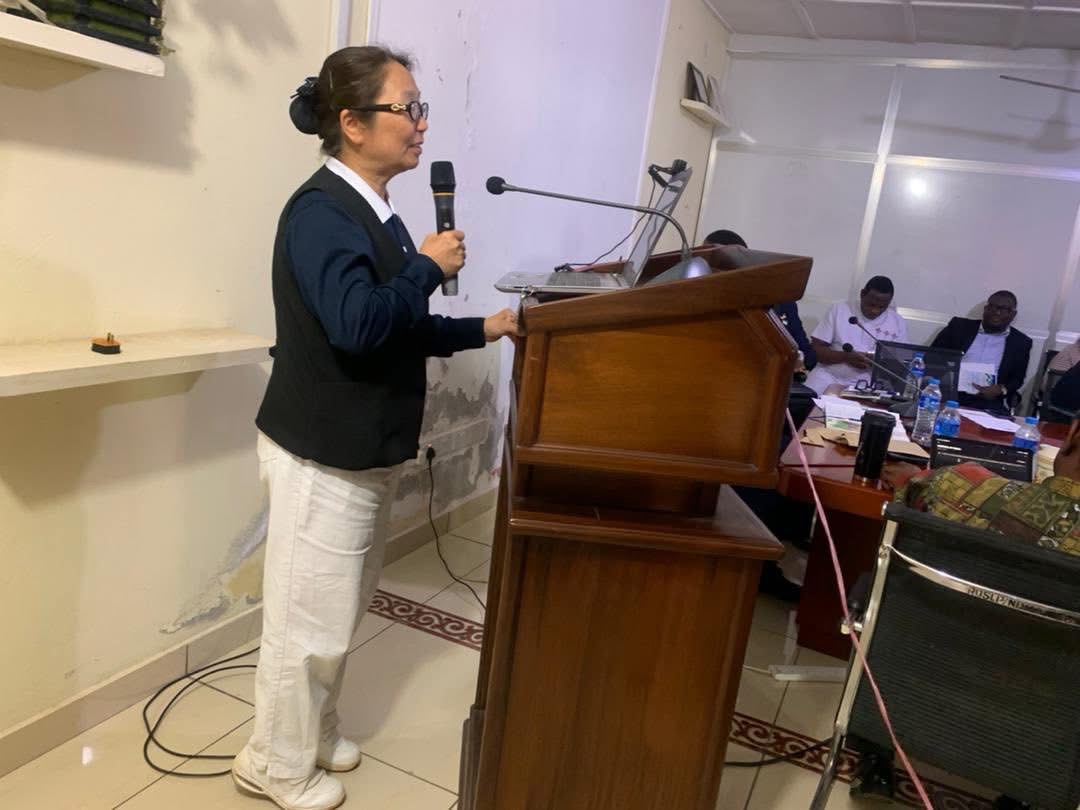
He also highlighted the serious threat posed by the heavily encroached US$5 million Angola Dam, and commended NDMA for its leadership and support in addressing the issue.
As part of the meeting’s agreed way forward, participants resolved to intensify efforts to survey, document, and clearly demarcate water transmission pipelines and catchment areas. This initiative, involving the Guma Valley Water Company, the Ministry of Lands, NDMA, and other relevant institutions, will address existing encroachments and prevent future illegal constructions.
Participants also agreed to continue coordination through the established inter-agency committee, reviewing enforcement actions, including demolitions, when necessary, and strengthening accountability over the protection of the Right of Way and greenbelt areas.
The meeting is deemed as a need for NDMA and relevant authorities to clearly define and document institutional roles and responsibilities in disaster risk management, especially with regard to critical infrastructure and environmental protection.
The agencies also committed to improving knowledge management and public awareness regarding disaster risks. Additionally, NDMA, SLMeT, and partners agreed to enhance early warning systems, with a focus on improving communication channels and disseminating weather bulletins and advisories to bolster national preparedness and resilience.
Concluding the meeting, Mr. Rogers reiterated NDMA’s dedication to sustained coordination, proactive risk reduction, and collective responsibility. He emphasized that safeguarding critical infrastructure and protecting environmental assets is central to ensuring the safety and well-being of Sierra Leone’s citizens.


