

NPPA Establishes Engineering Directorate to Boost Oversight of Public Works
 Salamatu Y. Kamara
 The National Public Procurement Authority (NPPA) has reaffirmed its commitment to promoting quality, accountability, and value for money in public infrastructure delivery, as it intensifies efforts to transition from contract award follow-ups to full-scale contract monitoring across government projects.
The shift marks a significant institutional reform under the leadership of Chief Executive Officer, Fodie J. Konneh, who has prioritised the establishment of a specialised Engineering Directorate to strengthen oversight of public works. The move addresses longstanding capacity gaps and reflects the reality that a substantial share of government expenditure is directed toward infrastructure development.
As part of its enhanced mandate, NPPA’s Engineering Directorate conducted high-level technical monitoring visits on April 22 and 23, 2026, to two major health sector infrastructure projects in Lakka and Jui, located in the Western Area Rural District.

The Directorate now plays a central role in post-award contract management, focusing on compliance with technical specifications, adherence to approved designs and bills of quantities, monitoring project timelines and contractor performance, and ensuring value for money in execution. The approach represents a strategic shift from traditional procurement oversight to a more hands-on, results-oriented supervision of public investments.


Lakka Facility Inspection
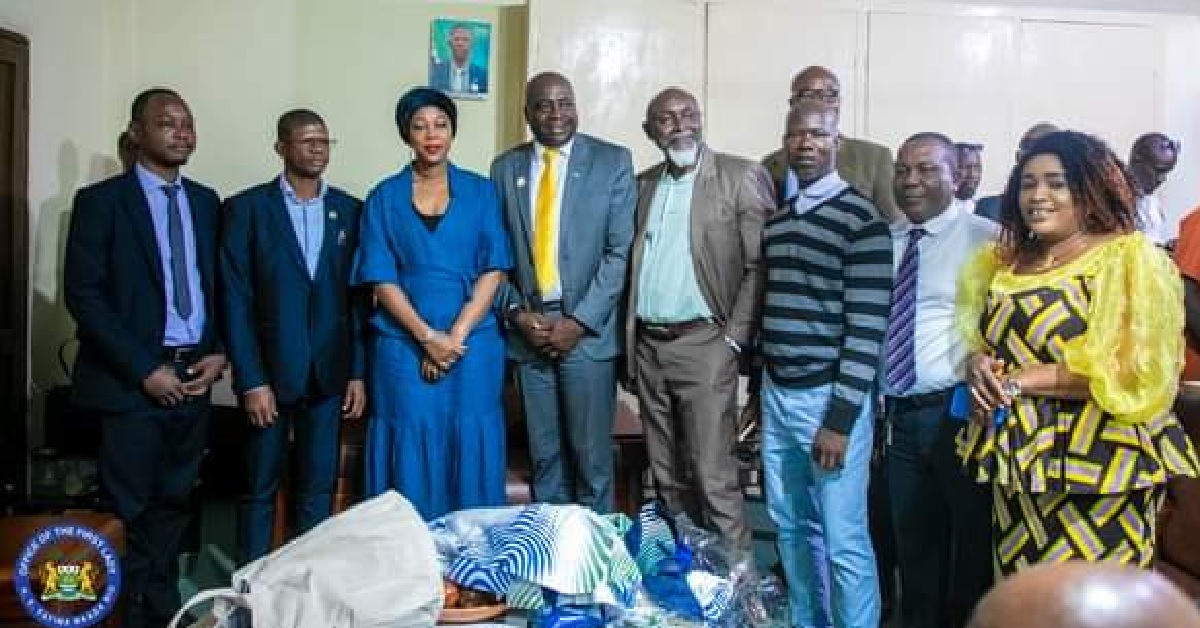
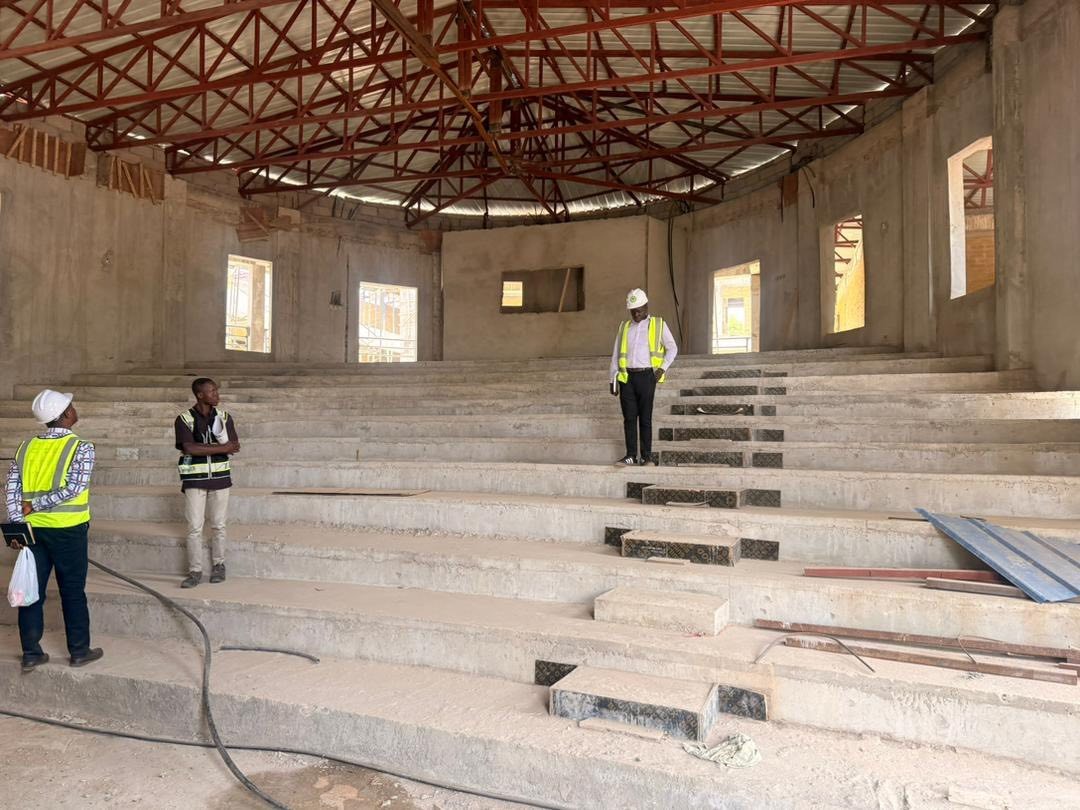
On April 22, a team led by Deputy Director of Engineering, Engineer Henry Minah, inspected the construction of a dedicated facility for postgraduate colleges in administration and pedagogy in Lakka.
The project, initiated in 2024 by the Government of Sierra Leone through the Ministry of Health, is supported by development partners under the Sexual and Reproductive Health and Rights (SRHR) Programme and executed by Interlinks Investment Limited. Upon completion, the facility is expected to host the Council for Postgraduate Colleges of Health Specialties, strengthening the country’s capacity for specialised medical training.
During the visit, the NPPA team assessed structural integrity, compliance with engineering standards, and alignment with approved specifications. While progress was generally satisfactory, the Authority emphasised the need for strict adherence to quality standards and delivery timelines.
Jui Project Monitoring
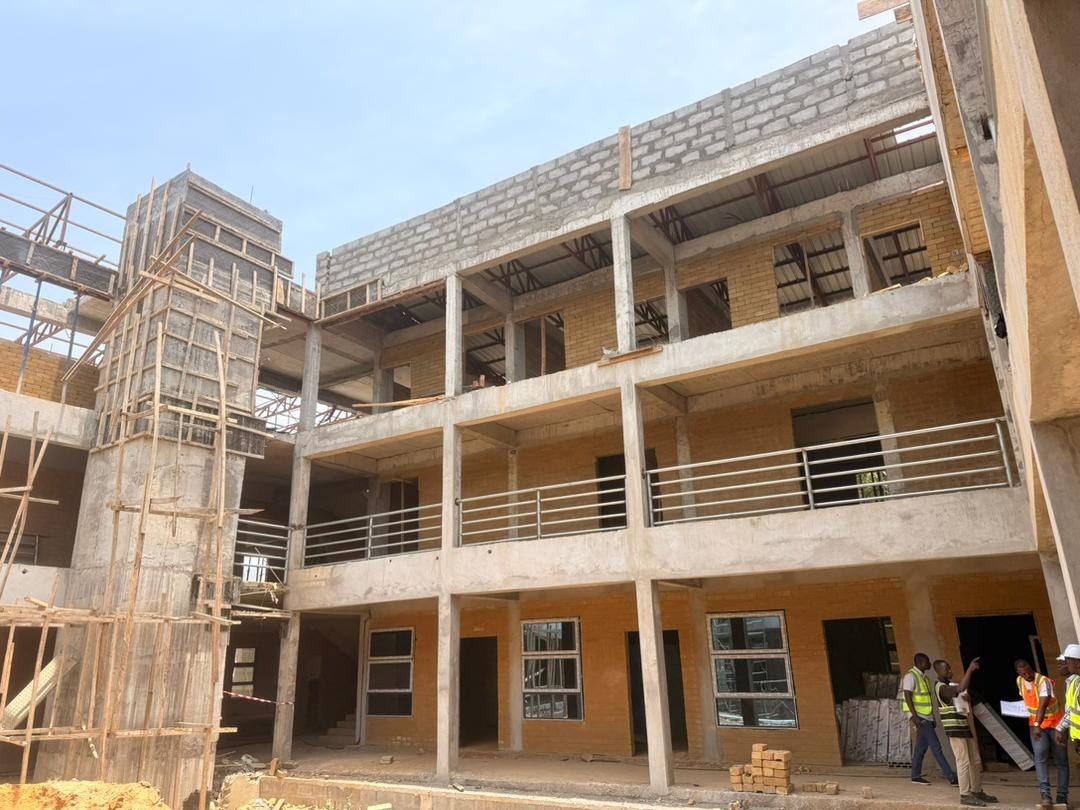
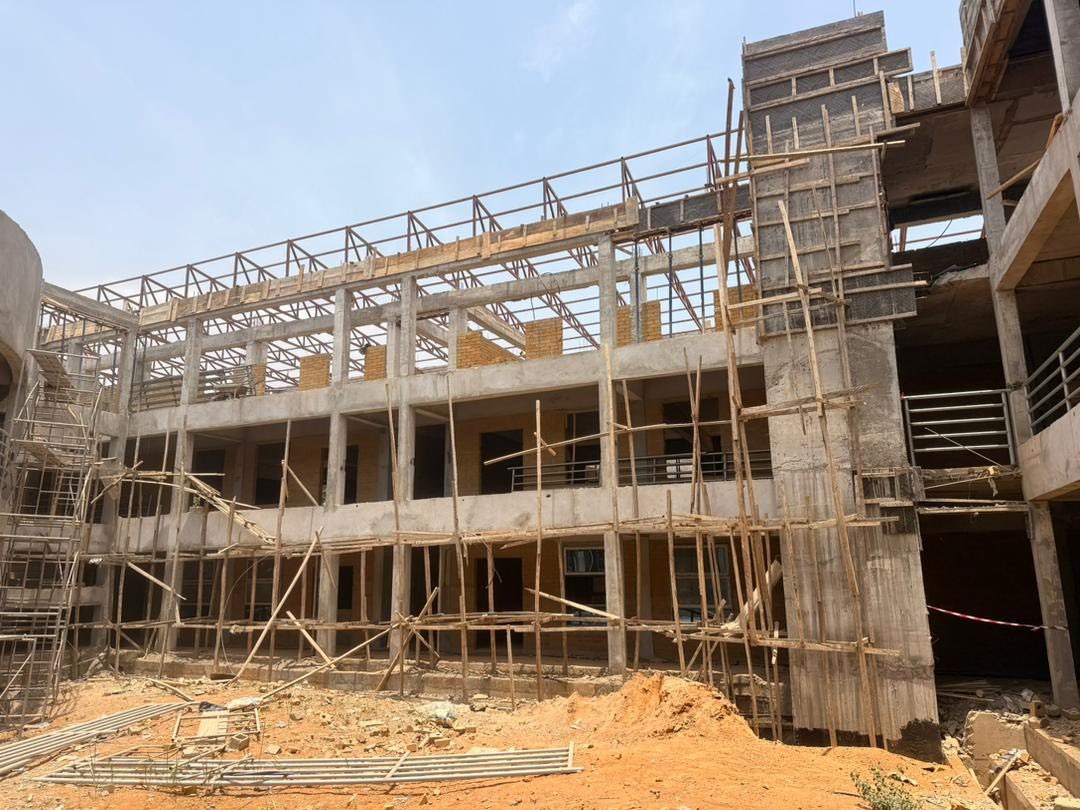
On April 23, the NPPA delegation extended its monitoring to Jui, where it inspected the construction of the proposed Faculty of Basic Medical Sciences building.
The project, implemented by the Ministry of Health and funded under the SRHR Programme, was designed by Tropical Environment Design Associate and is being executed by Broad Engineering and Construction. The facility is expected to enhance teaching, research, and training capacity at the College of Medicine and Allied Health Sciences (COMAHS), University of Sierra Leone.
The team conducted a comprehensive assessment focusing on the quality of materials, structural soundness, contractor performance, and progress against timelines. It also engaged contractors and consultants to address operational challenges and ensure alignment with project objectives.
Speaking during the visits, Engineer Henry Minah underscored the importance of engineering oversight in safeguarding public investments.
“The Authority’s engineering oversight function is essential in ensuring that contractors deliver according to agreed standards. Projects of this nature must provide long-term value and contribute meaningfully to national development,” he said.
He added that continuous monitoring is critical in mitigating risks such as project delays, cost overruns, and substandard execution.
The establishment of the Engineering Directorate signals a new phase in NPPA’s operations, moving beyond procurement processes to ensure that projects are delivered effectively and sustainably.
Through regular site inspections, technical evaluations, and stakeholder engagement, the Authority is positioning itself as a proactive regulator focused on results rather than processes.
Upon completion, both projects are expected to strengthen Sierra Leone’s healthcare education system, improve the training of specialised medical professionals, and contribute to better healthcare outcomes nationwide.
The NPPA has reiterated its commitment to continuous monitoring of public infrastructure projects until completion and handover, ensuring that every investment delivers maximum value to the people of Sierra Leone.