

Parliament Hosts 2026 Digital Stakeholders’ Engagement to Boost Connectivity
 Aminata Koroma
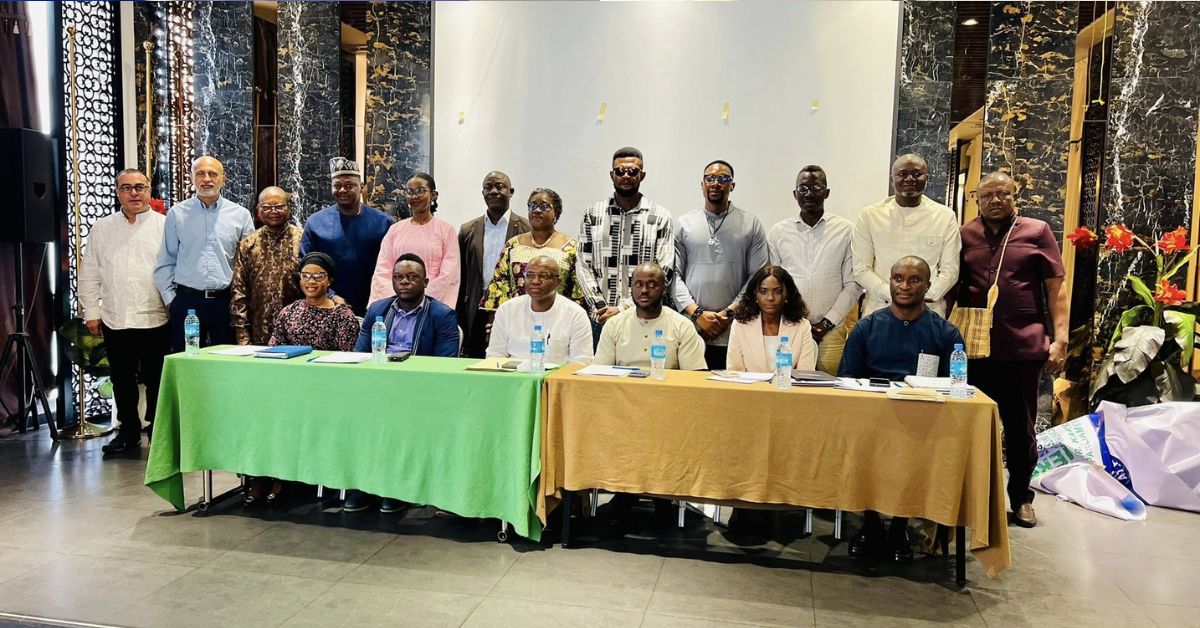
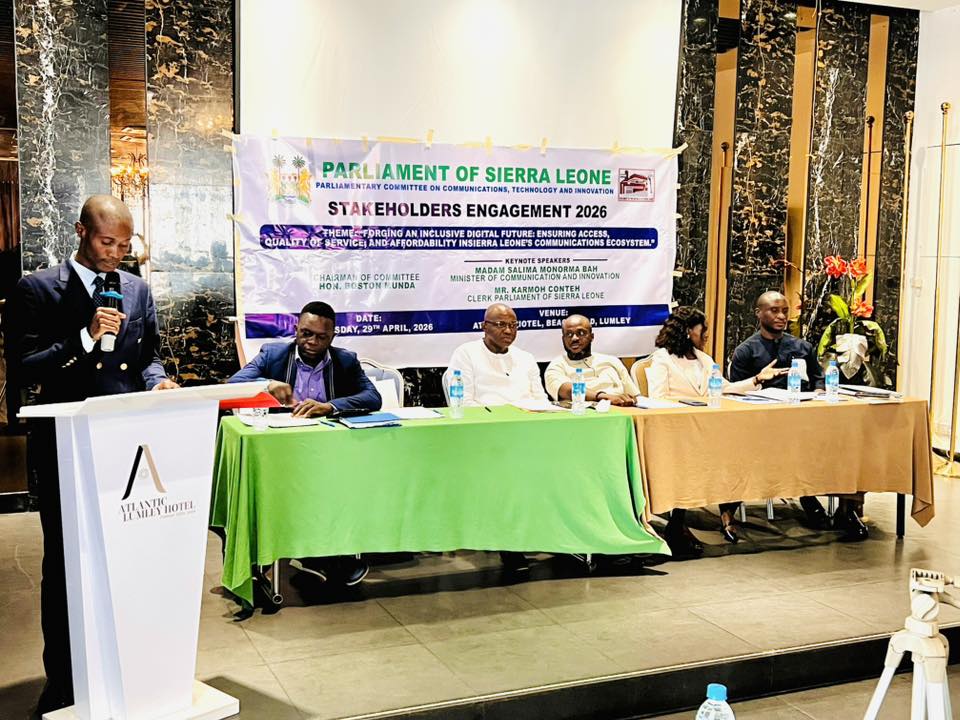
 The Parliament of Sierra Leone, through its Parliamentary Committee on Communications, Technology and Innovation, on Wednesday hosted the 2026 Stakeholders’ Engagement aimed at advancing the country’s digital transformation agenda.
The engagement, held at the Atlantic Beach Hotel, brought together key players in the communications and technology sector under the theme: “Forging an Inclusive Digital Future: Ensuring Access, Quality of Service, and Affordability in Sierra Leone’s Communications Ecosystem.”
Delivering opening remarks, Master of Ceremonies and Director, Sheku Lamin Turay, commended participants for their presence and lauded the leadership of the Committee Chairman for what he described as innovative direction. He noted that the engagement was timely, particularly in addressing challenges affecting mobile network operations, and urged stakeholders to contribute meaningfully toward improving service delivery nationwide.

Chairman of the Parliamentary Committee on Communications, Technology and Innovation, Hon. Boston Munda, expressed appreciation to stakeholders for their participation. He stated that the primary objective of the engagement was to enhance efficient service delivery and strengthen consumer protection within the sector. He further noted that the engagement aligns with Parliament’s oversight mandate in advancing Sierra Leone’s digital transformation journey.
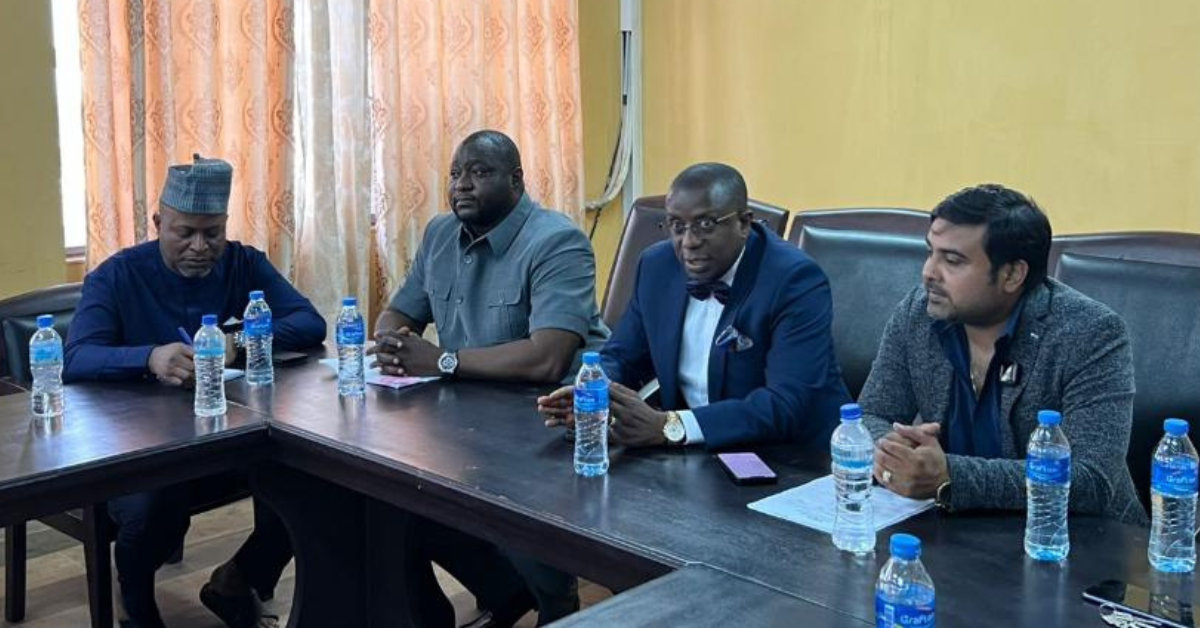


Majority Leader and Leader of Government Business, Hon. Mathew Nyuma, commended Mobile Network Operators (MNOs) for maintaining stable tariffs despite global economic pressures linked to the Iran-American conflict. He urged that outcomes from the engagement be formally presented to Parliament to inform policy directives and legislative actions.
Nyuma acknowledged improvements in service delivery, particularly in fibre expansion and increased responsiveness to consumer concerns. He reaffirmed Parliament’s commitment to protecting consumers and emphasised the need for affordable, high-quality services. He also called for practical, forward-looking solutions from stakeholders and reiterated the Government’s readiness to collaborate with MNOs, especially in embracing emerging technologies such as artificial intelligence.
Minister of Communications, Technology and Innovation, Madam Salima M. Bah, described the engagement as a critical platform for addressing operational challenges within the sector. She highlighted notable growth, particularly in infrastructure, stating that the national fibre backbone has now reached 14 out of 16 districts, alongside significant expansion in metro services.
She further disclosed that the Government is engaging the World Bank on a project exceeding $50 million to establish a second fibre backbone landing, which is expected to extend connectivity to Guinea and Liberia. While commending the performance of the country’s four MNOs, she stressed the importance of maintaining competition to prevent monopoly.
Despite progress, the Minister identified persistent challenges, including gaps in network coverage and utilization, affordability issues, and high global costs. She revealed that the current subscriber base stands at approximately 3.4 million, with projections to reach 6 million by 2028, contingent on strategic reforms.
She also called for stricter measures to protect fibre infrastructure, including penalties for vandalism, and urged the National Communications Authority (NaTCA) to promote shared infrastructure among operators to enhance efficiency.
In his keynote address, Clerk of Parliament, Karmoh K. Conteh, commended the Committee for convening the engagement and for its consistent submission of oversight reports. He emphasized that Parliament’s oversight responsibility extends beyond monitoring to ensuring accountability among service providers and government institutions.
Conteh raised concerns about whether MNOs are meeting their tax obligations while delivering quality services, noting that effective oversight must be grounded in legal frameworks. He assured the Committee of continued institutional support in holding all stakeholders accountable for improved service delivery.
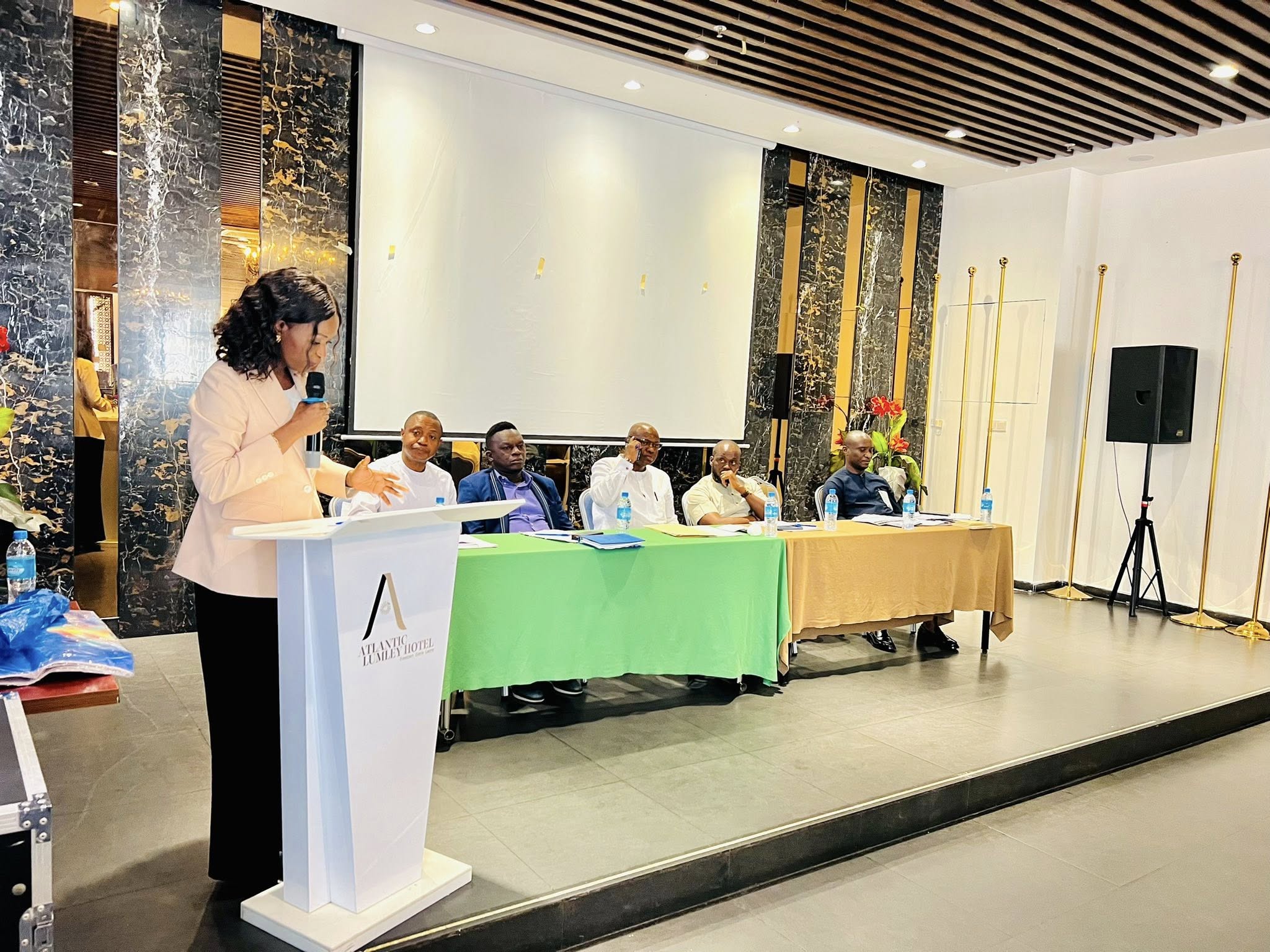
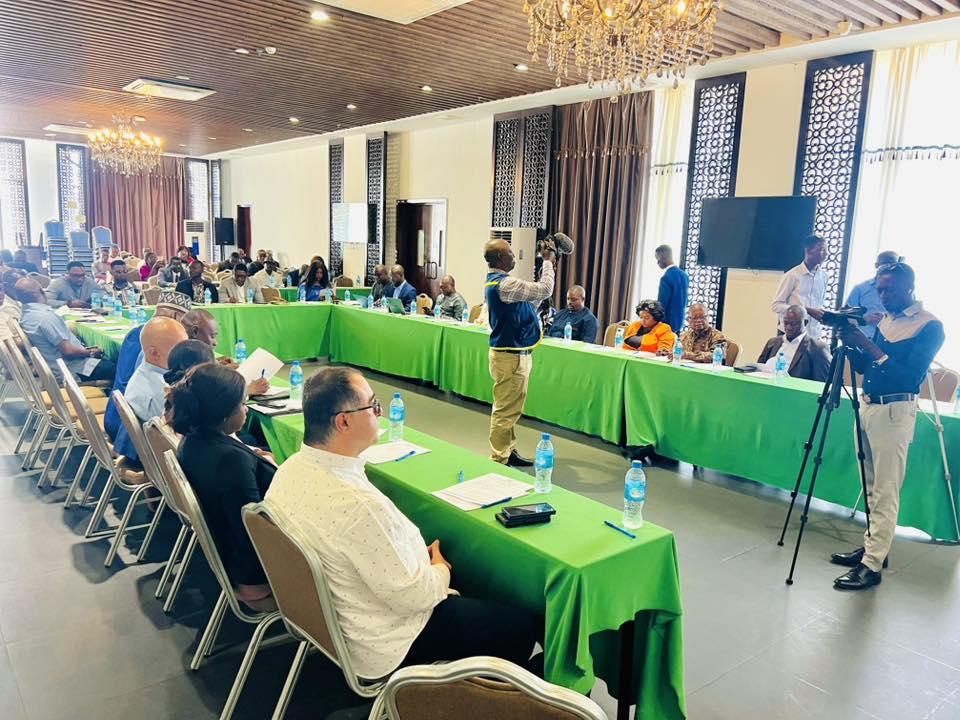
Other stakeholders in the communications sector also delivered presentations, expressing optimism about the future of the industry while proposing innovative and practical measures to address existing challenges and sustain ongoing progress.
The engagement concluded with a renewed commitment from both public and private sector actors to collaborate in building an inclusive, affordable, and efficient digital communications ecosystem in Sierra Leone.