

Sierra Leone Government to Start Regulating Religious Worship, Licensing Imams And Certifying Pastors
 Tolulope Aina
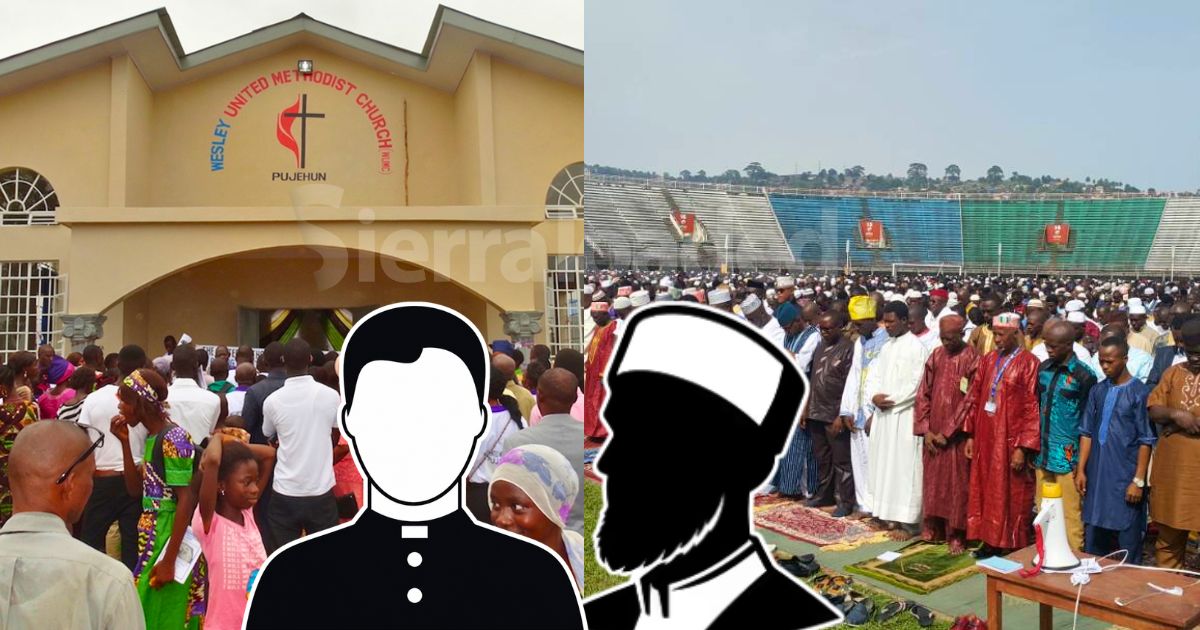
 A proposed government policy aimed at regulating religious practice that would require licensing for imams and certification for pastors is drawing sharp criticism from religious leaders who call it an unconstitutional overreach.
The “Religious Tolerance and Practice Policy” aims to promote interfaith harmony and address public concerns including excessive noise, unsafe mass gatherings, and religious incitement. But critics say the proposal gives the state dangerous control over sacred institutions.
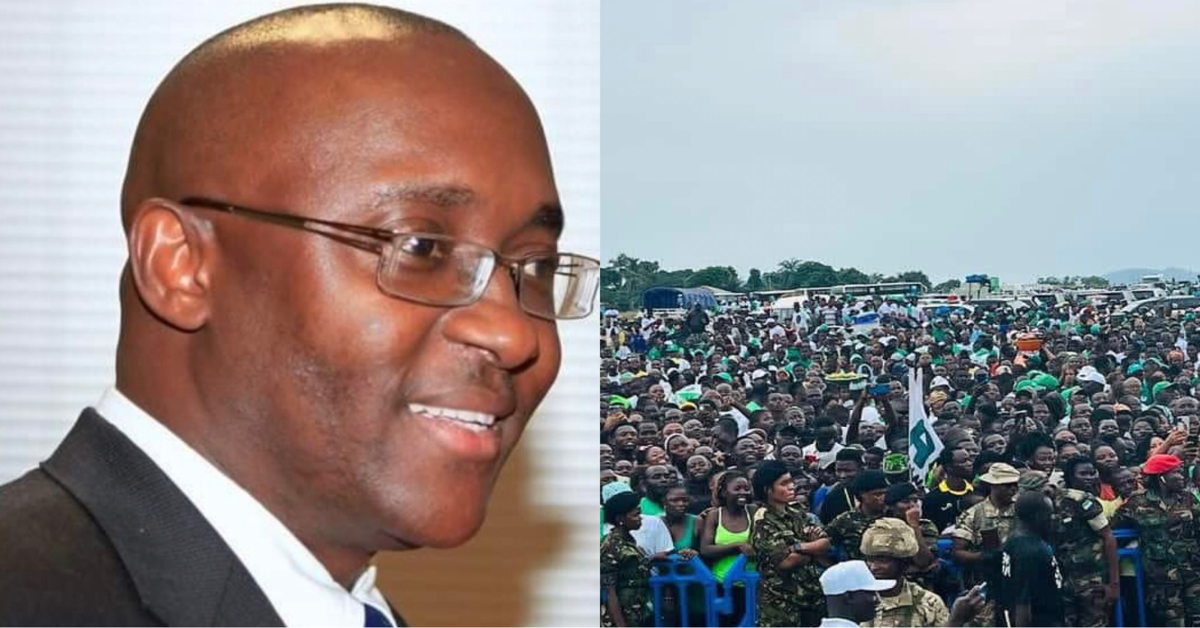
Former Attorney General Joseph Fitzgerald Kamara warned that the policy “quietly puts the sacred under state control.”

“The same state that can’t provide clean water now wants to decide who speaks for God,” Kamara wrote. “A vague ‘code of conduct’ could silence critics. You don’t need a government stamp to lead the faithful. Govern the secular. Leave the soul alone.”
The most contentious provisions include government certification of religious leaders, annual renewal requirements, and a national registry of religious institutions.
Bishop J. Archibald Cole, General Overseer of New Life Ministries International, said in a position paper that while the policy’s stated goals have merit, the certification system “could become a tool to decide who may preach, lead, pastor, plant churches, or conduct ministry.”
While Cole acknowledged the merits of regulating public safety and noise, he argued that the state has no authority over ordination or doctrine. “The Church receives its authority from God and Scripture, not from the State,” the paper noted, warning that a registry of leaders could easily transform into a tool for political surveillance.
He noted that “a pastor who preaches against corruption, injustice, immorality, or government abuse could be threatened with non-renewal.”
Rev. Dr. Andrew T. Gbandeh-Mitta called the proposal “one of the most serious constitutional, theological, and democratic questions confronting the nation in recent history,” warning that annual renewal creates “permanent governmental leverage over clergy.”
Government officials have not yet responded to requests for comment on the criticisms.
The policy remains under circulation for discussion, with no date announced for potential enactment.
One of the foundamental human rights for the citizens of Sierra Leone is RIGHT TO FREEDOM OF SPEECH… The truth must be spoken… Every leader should withstand criticisms and accept the reality for better societies… The religious leaders are our source of guidance through the knowledge of God message to mankind… They should be allowed to sensitize the ignorants in all means of communication… Rather trying to silence them from saying the truth so that the falsehood will continue to spread out and pollute the young generations… Everyone should work with the interests of God to maintain fair dealings with fellow humans and foundamental rights..
Wae cockroaches want alaki na palm oil bottle him go enter. So you want to rival with God