
Chief Minister Sengeh Rejects Claims Sierra Leone is a ‘Drug State’
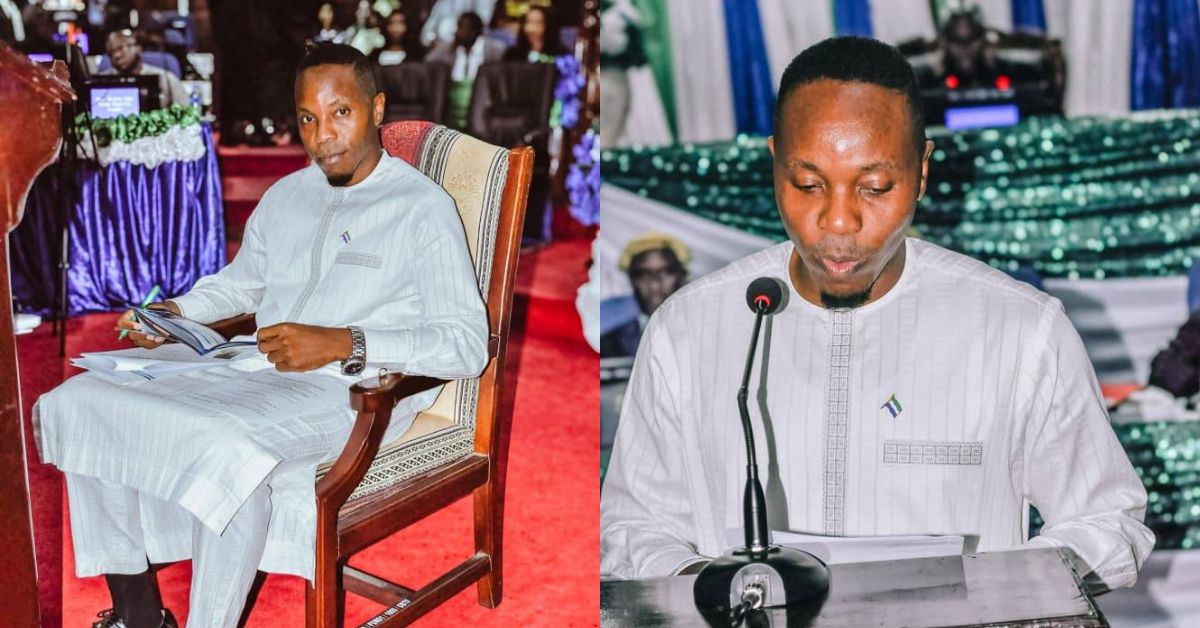
 Sorie Abubakar
 Sierra Leone’s Chief Minister, David Moinina Sengeh, has rejected allegations that the country is a “drug state,” describing such claims as unfair and influenced by external narratives.
Speaking during a public address in Leicester, United Kingdom, Sengeh argued that much of the criticism directed at Sierra Leone overlooks the international origins of illicit drugs entering the country.
“People rush to brand us as a Drug State when the drugs came from the UK, Belgium and other places,” he said.

The Chief Minister maintained that the government has undertaken major efforts to combat the trafficking and abuse of illicit substances, including tramadol. However, he acknowledged that local actors continue to play a role in importing and distributing the drugs within Sierra Leone.


According to Sengeh, the government remains committed to addressing the problem despite the challenges posed by transnational drug networks and domestic involvement in the trade.
He further suggested that some of the criticism directed at Sierra Leone is driven by negative perceptions from Western countries.
“These are just mind games, and we must try to free ourselves from them,” Sengeh said.
His remarks come amid ongoing public debate about drug trafficking and substance abuse in Sierra Leone, issues that authorities say require both stronger law enforcement measures and international cooperation to effectively address.
There is also a heightened scrutiny of Sierra Leone following claims by Dutch officials that one of Europe’s most wanted drug traffickers, Jos Leijdekkers, is residing in the country. Reports have also alleged that Leijdekkers is married to the daughter of President Julius Maada Bio, President of Sierra Leone.
However, Sierra Leonean authorities have denied the allegations, maintaining that Leijdekkers is not in the country. Officials have also rejected claims that he appeared alongside the First Family at a church service, stating that the individual seen in photographs was Omar Sheriff and not the fugitive drug suspect.
The exchange points to growing political tensions over the government’s response to drug trafficking and the broader challenge of addressing Sierra Leone’s international reputation amid increasing scrutiny from foreign partners and law enforcement agencies.