

 Post a comment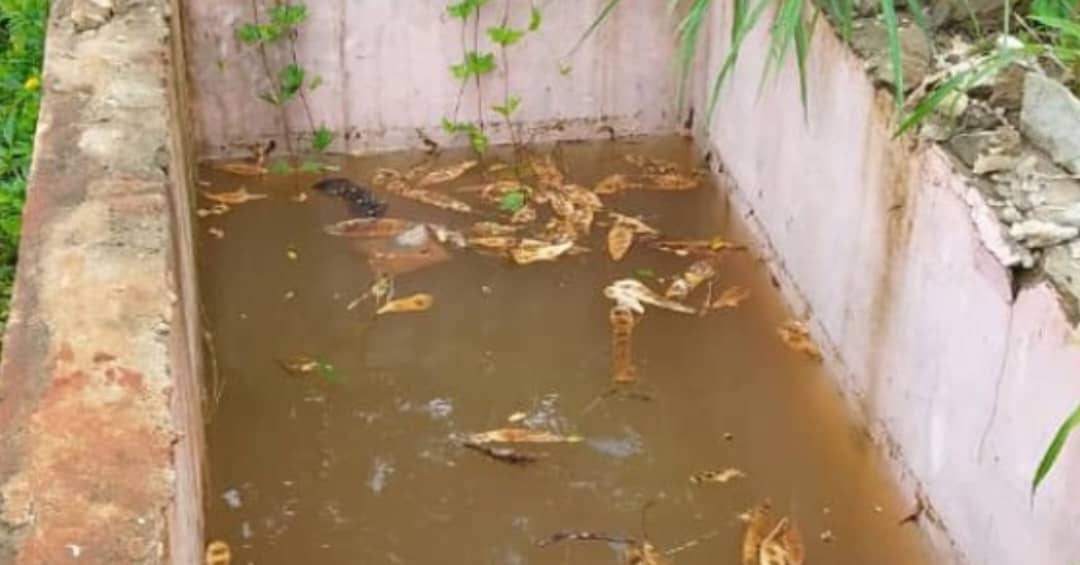
Rising underground water levels in several Freetown cemeteries have raised concerns among engineers and grave diggers about potential groundwater contamination in nearby communities.
Cemetery workers report that during the rainy season, water seeps from surrounding hillsides and floods grave sites. If graves are not dug deep enough, burial fluids may enter the water table, posing risks to domestic water sources.
At the Kissy Road cemetery near the NP Fuel Station at Up-Gun, grave diggers say water begins to appear five to six feet below ground level. “We remove the water before burial, but when it keeps overflowing, we relocate to a drier spot,” said Mohamed Sesay, a gravedigger.
Similar issues have been reported at Kingtom Cemetery in low-lying areas. Grave digger Alusine Kamara said they abandon locations where water seeps in. However, the cemetery’s manager, Mahmoud Marah, stated that the site generally remains safe and does not flood significantly.
Managers at Circular Road and Nicol cemeteries say they have not encountered these problems, citing stable soil conditions and favorable topography.
Engineer Alie Kabba, Director of Corporate Services at Guma Valley Water Company, said underground water in cemeteries is influenced by factors such as geology, rainfall, topography, burial density, and grave depth. He noted that Sierra Leone’s high-water table makes groundwater sources susceptible to contamination.
“Tests have found E. coli and other pollutants in unprotected wells across Freetown due to sanitation challenges and poor waste management,” Kabba said. He added that flooding during the rainy season can carry contaminants into underground aquifers.
He also cited examples from coastal communities, including Bureh, Hamilton, and Number Two River, where sea erosion and flooding have exposed human remains, polluting nearby water sources.
A borehole driller in eastern Freetown described the terrain as mixed with mud, sand, rocks, and swampy layers, requiring drilling of 40 to 60 meters to reach safe water.
Experts say the issue highlights the need for improved cemetery management, flood control infrastructure, and stricter water safety policies to protect residents who depend on groundwater for daily use.


