

 Post a comment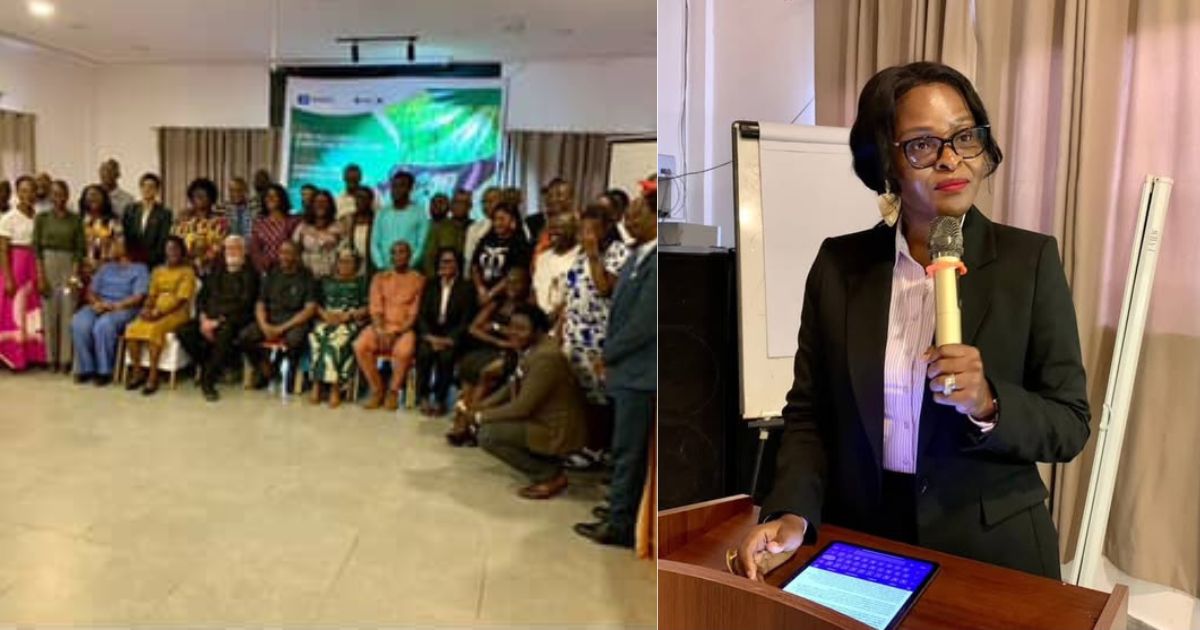
Sierra Leone’s Ministry of Technical and Higher Education (MTHE), in collaboration with UNESCO, has officially launched the Sector Skills Council for Agriculture (SSC4A) aimed at modernising agricultural education and tackling food insecurity.
The inauguration ceremony, held at the Sierra Palms Hotel in Freetown, took place under the umbrella of the Better Education for Africa’s Rise III (BEAR III) initiative.
The newly formed SSC4A is designed to enhance the relevance of agricultural Technical and Vocational Education and Training (TVET). Backed by UNESCO through the BEAR III Project, the council will focus on standardising job-related competencies, predicting future skill needs, and deepening engagement with the private sector in the development of training curricula and strategies.
This initiative is expected to reshape the country’s agricultural training to meet current labour market demands, thereby increasing productivity and contributing to national economic growth.
Speaking at the event, Dr. Josephus Brimah, Chief Technical and Higher Education Officer at MTHE, described the establishment of the council as a pivotal moment for the nation’s education sector.
Reflecting on MTHE’s creation in 2018, he emphasized that while education is essential, TVET serves as the “master key” to unlocking economic progress. He noted Sierra Leone’s vast agricultural potential, with 5.4 million hectares of arable land, and highlighted the Council’s role in developing a knowledge-driven and quality-focused education system for the sector.
Theresa Tenneh Dick, Deputy Minister of Agriculture and Food Security, called the initiative both strategic and timely. With agriculture accounting for over 50% of Sierra Leone’s GDP yet plagued by inefficiencies and import dependency, she said the SSC4A will help transition farmers toward mechanised and technology-driven production.
She added that reducing rice imports and promoting agribusiness will require unified efforts across sectors—not just government involvement.
Also speaking at the event, Minister of Employment, Labour and Social Security, Mohamed Rahman Swaray, underlined the Council’s role in aligning skills development with the Feed Salone strategy, which targets national food self-reliance by 2030.
He pointed to plans for trade testing, enhanced training in post-harvest handling, and the development of an agricultural occupational safety manual aimed at increasing productivity while protecting workers, particularly in SMEs.
Minister of Basic and Senior Secondary Education, Conrad Sackey, commended the initiative as a milestone achievement under President Julius Maada Bio’s Big Five development priorities. He stressed that the SSC4A will empower both farmers and students by ensuring TVET programs are industry-relevant, thereby fostering a skilled workforce that supports national prosperity.
Oladapo Coulson-Olowu, Public Relations Officer of the National Council for Technical and Vocational Education (NCTVE), noted that SSC4A is the first sector-specific council of its kind in the country, drawing inspiration from similar councils in the UK.
He explained its mandate includes setting occupational standards and contributing directly to the Feed Salone initiative by bridging skills gaps, enhancing productivity, and creating sustainable jobs. He acknowledged financial constraints but reaffirmed the importance of public-private partnerships in achieving long-term impact.
Chairman of the SSC4A, Mahesh Nandwani, described the Council as a critical platform for unlocking the sector’s potential, pointing out that only 15% of the country’s fertile land is currently farmed.
He emphasised the importance of investing in youth and women through targeted training, which he said would reduce reliance on imports, generate employment, and enhance national food security. He called on private sector players to help tailor TVET to meet real-world industry requirements.
Delivering the keynote address, Dr. Haja Ramatulai Wurie, Minister of Technical and Higher Education, said the launch symbolises a strong collaborative spirit among government ministries, international partners, and industry stakeholders. While acknowledging the ongoing challenges in the agricultural sector, she expressed confidence that the SSC4A will lead the development of a responsive, market-oriented, and future-proof skills framework.
She praised Chairman Nandwani for his leadership and reiterated that every graduate must leave the system with both innovation and employability.
She also thanked the UNESCO-Korea BEAR III Project for its crucial support in reforming Sierra Leone’s TVET landscape and ensuring alignment with the evolving job market.


