

 Post a comment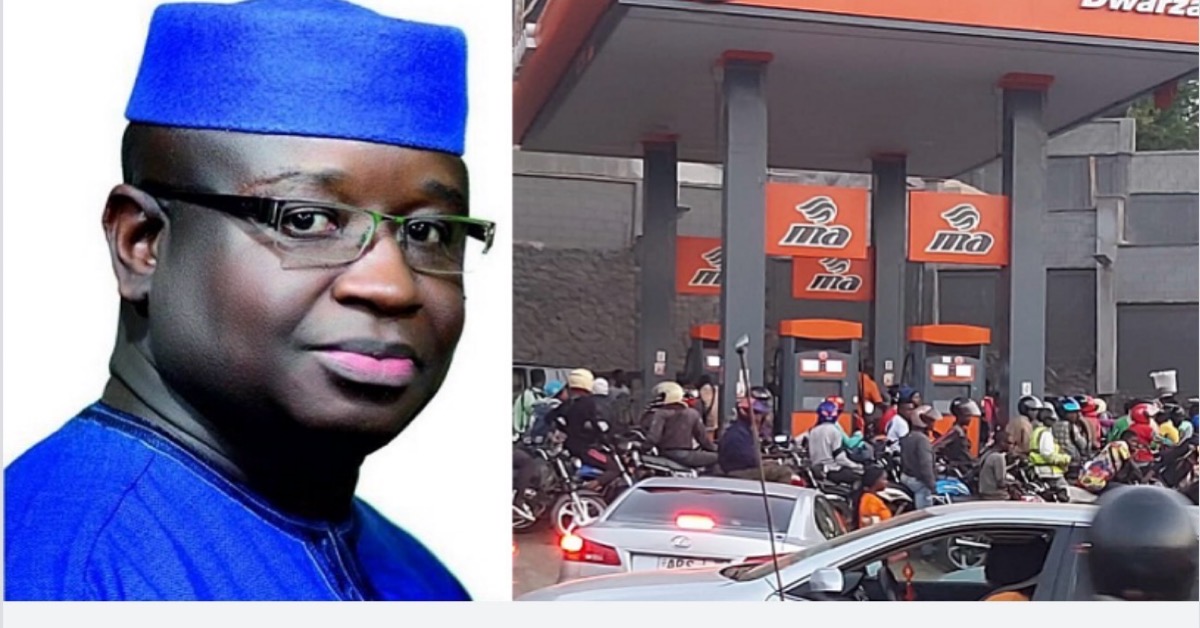
Motorists and business owners are facing another increase in fuel prices, with the National Petroleum Regulatory Authority (NPRA) expected to announce a new pricing regime that will see petrol and diesel prices rise significantly.
According to the information made available to Sierraloaded, diesel is set to increase to Le 38.00 per litre, while petrol will rise to Le 34.50 per litre. The new rates represent a notable jump from current prices and are expected to take effect soon.
The latest adjustment follows a previous increase announced on 6th March 2026, when the NPRA set the retail pump price for both petrol and diesel at Le 32.00 per litre. At that time, the Authority also set kerosene at Le 28.03 per litre and fuel oil at Le 26.73 per litre.
In March, the Government attributed the earlier price hikes to sharp increases in global petroleum costs triggered by the ongoing conflict in the Middle East. The Platts Rate, an international benchmark used to determine petroleum prices, rose from 636.4 in January to 686.53 in February, before climbing sharply to 775.83 in March.
Speaking at a Government press conference earlier this month, Minister of Trade and Industry Alpha Sesay assured the public that petroleum products remain available, disclosing that petrol stock was expected to last for about 54 days, while diesel supplies were projected to last for approximately 43 days.
The Minister added that the Government was negotiating with Oil Marketing Companies to keep fuel prices at an affordable level to reduce the burden on citizens.
NPRA Director General Brima Baluwa Koroma explained at the time that Sierra Leone imports refined petroleum products rather than crude oil, meaning that additional costs including freight charges, commercial levies, and other associated expenses contribute to the final landing cost of fuel. He noted that maintaining the previous pump price could have led to fuel shortages in the country.
Koroma described Sierra Leone’s fuel pricing formula as one of the most transparent in the region, adding that it is publicly available on the NPRA website. He also noted that the Authority had reduced fuel prices eight times since 2018, with any decline in global petroleum prices automatically reflected in pump prices.
The new pricing regime is expected to take effect shortly, with consumers and businesses across the country bracing for the impact of the latest increase.


