

EU Urges Tough Action on Sierra Leone Over Cocaine Trafficking and Extradition Failures
 Sahid Bangura
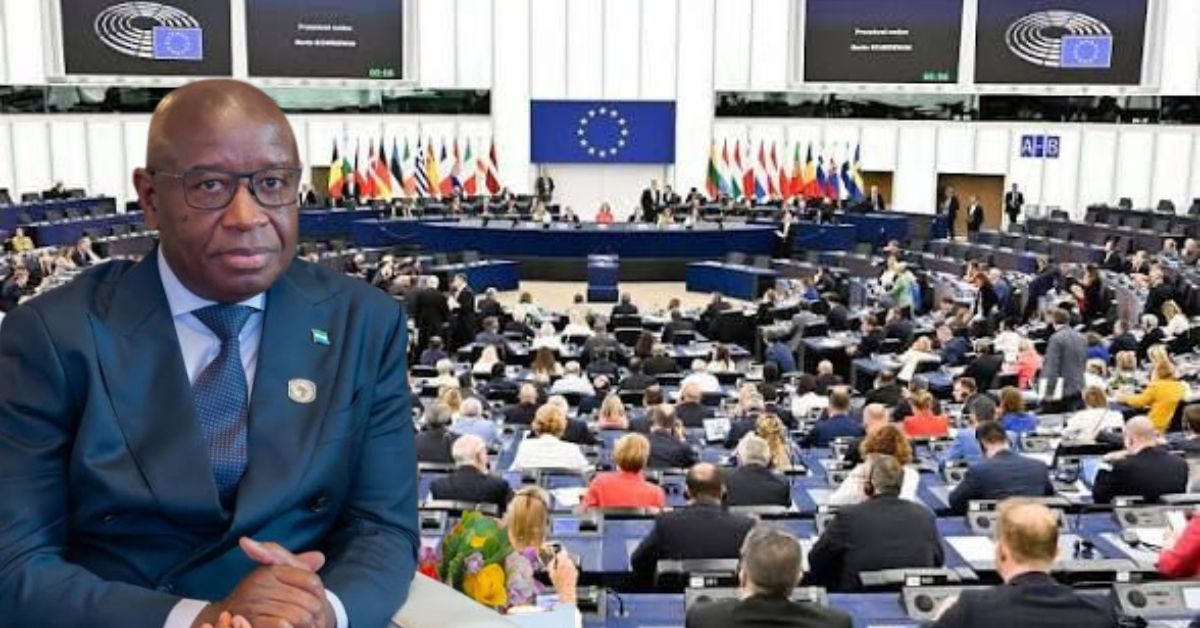
 Members of the European Parliament have called on the European Commission to take stronger action against Sierra Leone, arguing that the West African nation has become both a key transit point for cocaine destined for Europe and a refuge for European Union citizens seeking to evade prosecution in EU member states.
The appeal was made in a formal communication addressed to EU High Representative for Foreign Affairs and Security Policy and European Commission Vice-President Kaja Kallas, as well as European Commissioner for International Partnerships Jozef Síkela.
According to the document, Sierra Leone serves as an important logistical hub for cocaine shipments bound for the European market while simultaneously hosting EU citizens who are wanted or sought for prosecution in EU member countries. The lawmakers state that despite ongoing bilateral and EU-level diplomatic engagements, no extraditions have been secured to date.

The communication argues that the European Commission already possesses policy tools that could be used to address the situation but has not yet deployed them. These include the possibility of suspending development cooperation funding under the EU’s NDICI–Global Europe instrument and the creation of a sanctions regime specifically targeting transnational organised crime.


The lawmakers contend that the scale of the problem warrants stronger measures. They cite findings from the Global Initiative Against Transnational Organized Crime, whose Global Organized Crime Index identifies Sierra Leone as one of the principal West African transit countries for cocaine destined for Europe.
The document further notes that a legal framework for extradition already exists. Sierra Leone is a party to the United Nations Convention against Transnational Organized Crime, including provisions under Article 16 dealing with extradition. However, the lawmakers argue that, despite ratifying the convention, Sierra Leone has not implemented these obligations in cases involving EU member states seeking prosecution of suspects.
The communication also references commitments made during the EU–Sierra Leone Political Partnership Dialogue held on December 16, 2025, during which both sides agreed to intensify cooperation against drug trafficking and transnational organised crime.
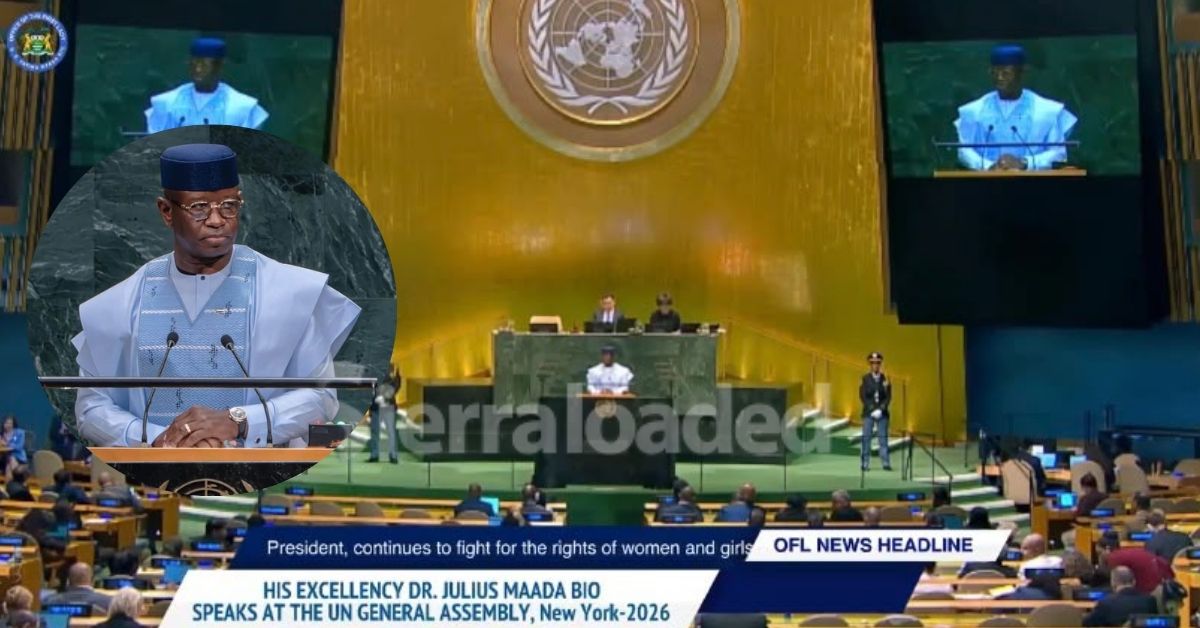
The dialogue was chaired by Julius Maada Bio. The lawmakers point out that five months after those commitments were made, Spanish authorities intercepted approximately 30 tonnes of cocaine aboard a vessel that had departed from Freetown.
Attention is also drawn to the EU’s financial relationship with Sierra Leone. According to the document, the European Union has allocated €352 million to Sierra Leone for the 2021-2027 period, while the country also benefits from regional and cross-border cooperation programmes.
The lawmakers argue that none of these funding streams are tied to specific conditions relating to cooperation in international legal proceedings and note that the general suspension mechanism available under the NDICI regulation has not been used in this context.
The communication further states that the European Commission has already committed, through its work programme, to strengthening the legal framework against organised crime. However, the lawmakers argue that until a dedicated sanctions mechanism becomes operational, the EU lacks an autonomous instrument capable of targeting individuals accused of facilitating transnational organised criminal activities.
In their concluding appeal, the lawmakers urge the European Commission to use available leverage to encourage Sierra Leone to extradite individuals accused of drug-related crimes to EU member states where they face prosecution.
They also call on the Commission to consider the suspension option available under the NDICI–Global Europe framework and to accelerate the establishment of a horizontal sanctions regime targeting transnational organised crime, in line with commitments contained in the Commission’s work programme.
The communication reflects growing concern within sections of the European Parliament over the links between international drug trafficking networks, judicial cooperation, and the effectiveness of existing EU tools for addressing organised crime beyond the bloc’s borders. Sierra Leonean authorities had not responded within the document to the allegations and concerns outlined by the lawmakers.