

 Post a comment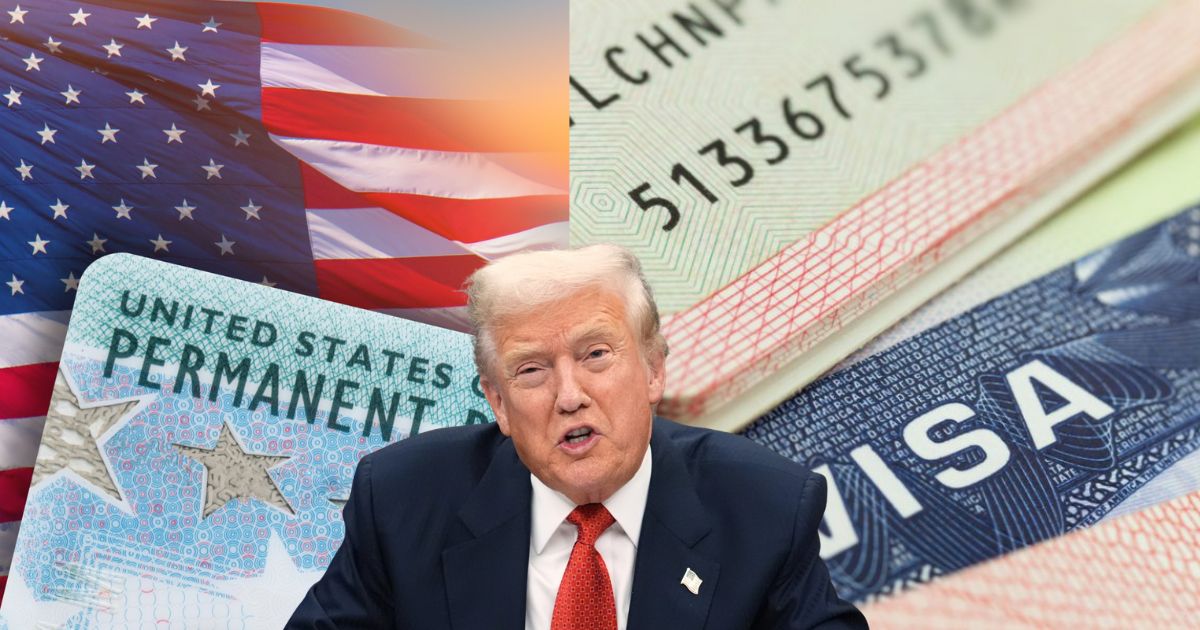
Sierra Leone has been excluded from a new stringent United States visa bond pilot program that requires travelers from over 30 nations—including many West African neighbors – to pay up to $15,000 to secure a visitor visa.
The exclusion, however, appears to be a formality rather than a reprieve, as it coincides with the implementation of a separate, more severe total visa suspension for Sierra Leonean nationals.
On Tuesday, January 6, 2026, the U.S. Department of State released a list of countries whose nationals will now be required to post a bond of $5,000, $10,000, or $15,000 as a condition for receiving a B1/B2 (tourist/business) visa.
The policy targets countries with high visa overstay rates. Travelers from these nations must pay the bond via Pay.gov before their visa is issued. The money is forfeited if they fail to depart the U.S. on time or attempt to adjust their status, such as claiming asylum.
While the list includes regional neighbors such as Guinea, Nigeria, Senegal, The Gambia, Côte d’Ivoire, and Liberia, Sierra Leone is notably absent.
Immigration analysts suggest Sierra Leone’s absence from the bond list is likely because the country is already subject to a far stricter sanction: a full visa ban.
Effective January 1, 2026, the White House implemented a full suspension of entry for Sierra Leonean nationals under Presidential Proclamation 10998. The administration cited “persistent and severe deficiencies” in Sierra Leone’s identity-management protocols and a lack of cooperation on deportations as grounds for the blanket ban.
Unlike citizens of Nigeria or Senegal, who can still visit the U.S. provided they pay the new bond, most Sierra Leoneans are currently barred from obtaining any visas at all, rendering the bond requirement moot for them.
The dual policies—visa bonds for some and total bans for others—reflect a broader crackdown by the Trump administration on legal immigration, fueled by concerns over national security and public benefits dependency.
Earlier this week, President Trump highlighted data on his Truth Social platform claiming that 43.6% of Sierra Leonean immigrant households in the U.S. depend on public assistance programs. This statistic was used to bolster the administration’s “public charge” arguments, which seek to limit entry to individuals deemed likely to rely on government welfare.
For the countries that are subject to the bond (such as Guinea and Nigeria), the new rules are strict. Travelers must:
- Enter and exit only through designated airports: Boston Logan (BOS), John F. Kennedy (JFK), or Washington Dulles (IAD).
- Forfeit the full bond amount if they overstay by even a single day or attempt to change their immigration status while in the U.S.
For Sierra Leone, however, the door remains firmly shut until the government satisfies U.S. demands regarding information sharing and the acceptance of deportees.


