

 Post a comment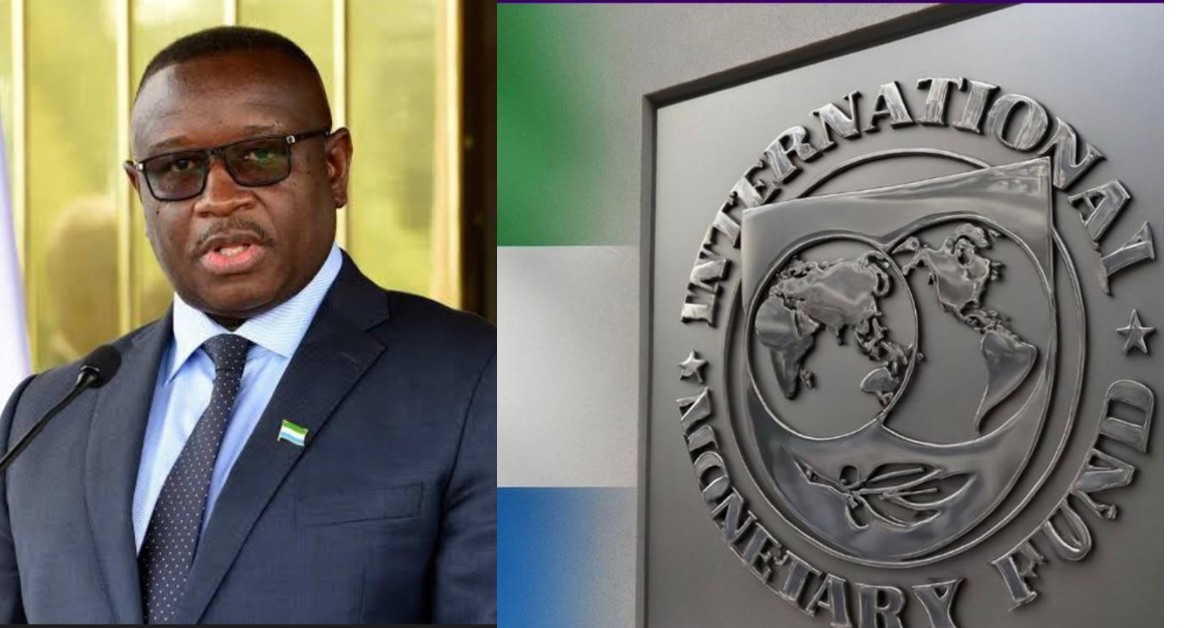
A new report from the International Monetary Fund (IMF) has revealed that Sierra Leone lost an estimated 15.9 trillion old Leones (USD 698 million) to corruption between 2016 and 2018.
The amount far exceeds the country’s total revenue of 8.8 trillion Leones over the same period, severely undermining the country’s economic growth and recovery efforts following its civil war.
According to the Sierra Leone Governance and Corruption Diagnostic 2025 released by the IMF, corruption drained between 10.45 and 15.9 trillion Leones from the national economy during these three years, representing an average of 12.7% of the country’s GDP annually.
The report also highlights how this significant loss has had far-reaching consequences on the nation’s fiscal stability, economic development, and public trust in government institutions.
The IMF’s findings also point to the country’s governance vulnerabilities, which are largely tied to the unequal distribution of the wealth generated by Sierra Leone’s gold and diamond industries. This inequality, the report notes, contributed to widespread frustration, particularly among marginalized communities, and was a key factor in the outbreak of the civil war between 1991 and 2002.
While the Sierra Leone government has taken steps to address corruption, including strengthening its anti-corruption framework, the IMF warns that the issue remains deeply entrenched. The report emphasizes that corruption’s impact extends beyond lost revenue, affecting various sectors of the economy.
These include reduced tax compliance, weakened domestic revenue mobilization, and diminished investor confidence, all of which contribute to increased risks for foreign and local investors. Furthermore, the rising debt burden and high borrowing costs are a growing threat to fiscal sustainability.
“The effects of corruption are not limited to financial losses alone,” said the IMF report. “Corruption undermines trust in state institutions, destabilizes the financial system, and perpetuates economic instability, making it difficult for the country to finance its own development.”
Despite some progress in reforming governance structures, the IMF concludes that Sierra Leone must intensify efforts to tackle corruption more effectively. This includes strengthening oversight mechanisms in resource management, enhancing accountability measures, and addressing the structural challenges that have allowed corruption to persist over the years.
In conclusion, the IMF stresses that without sustained and focused action, Sierra Leone risks remaining trapped in a cycle of economic vulnerability, which will hinder its long-term growth and development prospects.


