

 Post a comment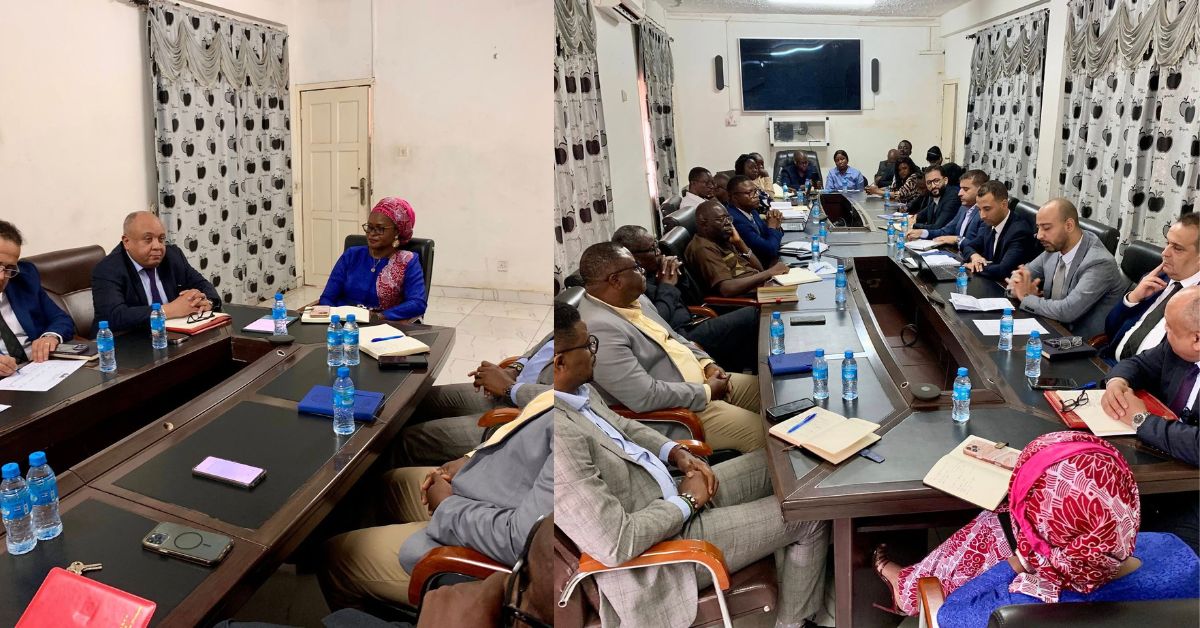
The Government of Sierra Leone and the Kingdom of Morocco have agreed to take practical steps to address challenges that have led to the low utilisation of Moroccan government scholarships by Sierra Leonean students.
The agreement followed high-level discussions held at the Conference Hall of the Ministry of Technical and Higher Education (MTHE) at New England Ville in Freetown.
The meeting was jointly convened by MTHE and the Ministry of Foreign Affairs and International Cooperation (MoFAIC), with participation from a visiting Moroccan delegation from the Office of Vocational Training and the Promotion of Employment (OFPPT).
The discussions focused on barriers that have limited Sierra Leone’s ability to fully benefit from the annual allocation of 105 Moroccan scholarships offered at undergraduate, master’s and PhD levels.
Among the key issues identified were French language requirements, tight application timelines, strict eligibility criteria and weak alignment between scholarship programmes and Sierra Leone’s national development priorities.
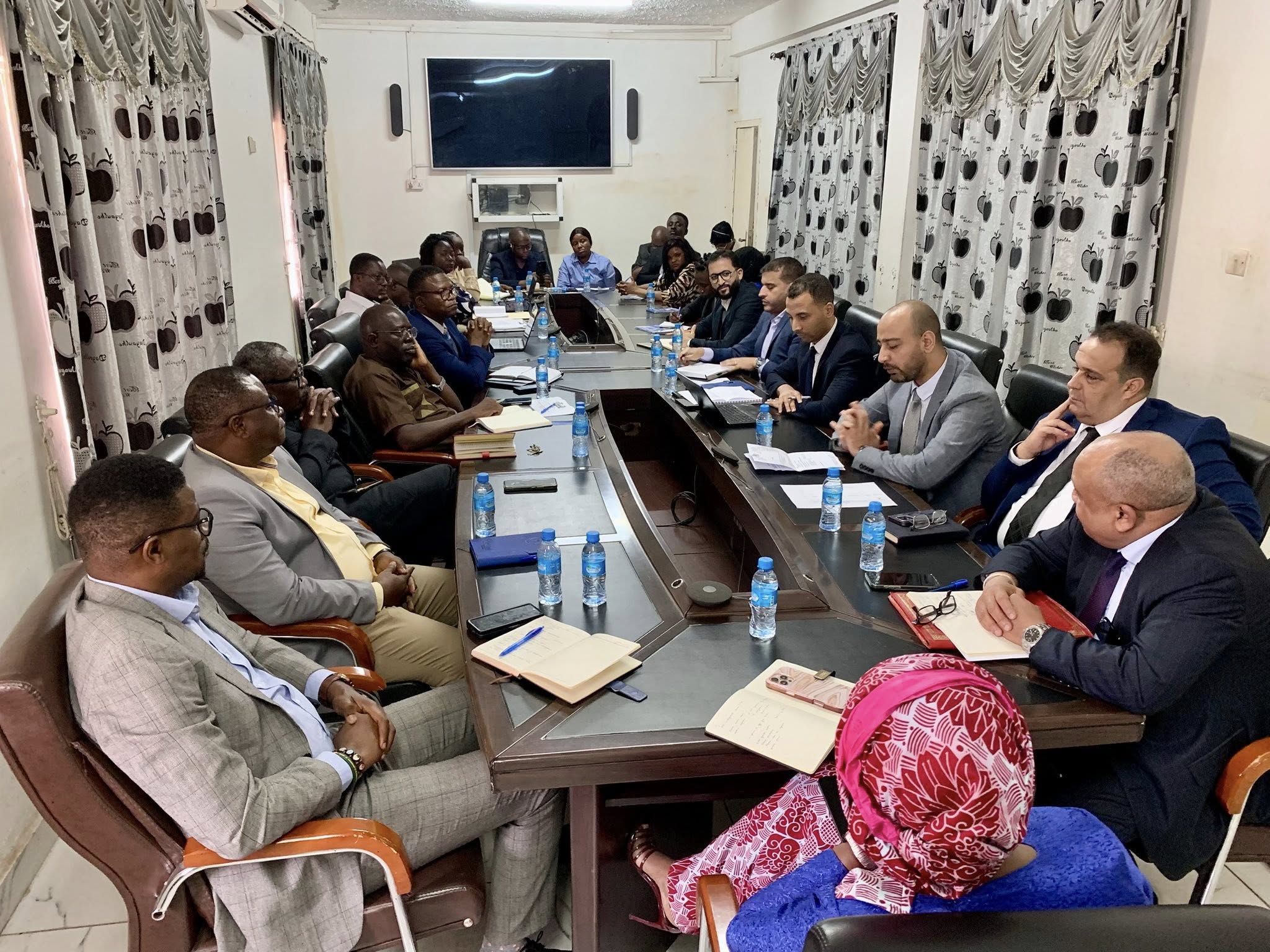
Permanent Secretary at MTHE, Mohamed Sheick Kargbo, described the situation as a missed opportunity for the country. He noted that despite Morocco’s continued support, Sierra Leone has struggled to fill the available scholarship slots. According to him, the French language requirement remains a major challenge, particularly for postgraduate candidates.
Mr. Kargbo proposed practical solutions, including the deployment of Moroccan experts to Sierra Leone to train local instructors, especially in technical and vocational education and training institutions, to help build language and technical capacity.
Head of Fellowship and Training at MoFAIC, Isatu Jalloh, pointed to administrative and academic challenges affecting acceptance rates. She explained that although dozens of candidates are nominated each year, only a few are eventually accepted.
She cited limited French proficiency, high academic standards and the mismatch between scholarship deadlines and the release of West African Senior School Certificate Examination (WASSCE) results as major constraints.
Minister of Technical and Higher Education, Dr. Haja Ramatulai Wurie, described the low uptake of the scholarships as “worrisome” but expressed optimism that the engagement with Morocco would produce practical solutions.
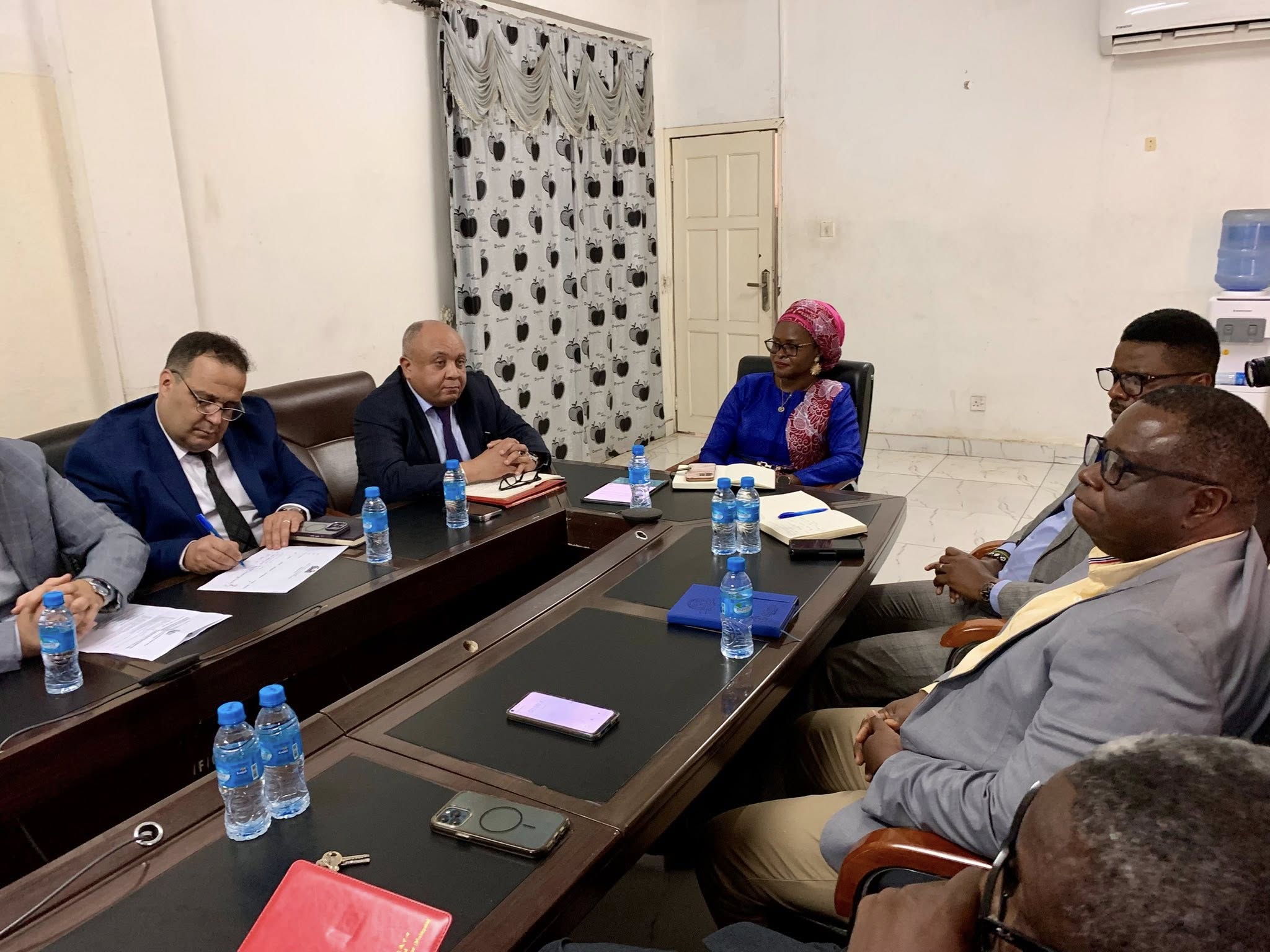
Drawing on her own experience as a beneficiary of the Moroccan scholarship scheme, she said the programme has made a significant contribution to Sierra Leone’s human capital development.
She noted that the scheme has helped produce doctors, engineers and public servants who are contributing to national development. Dr. Wurie stressed the need to prioritise sectors that are critical to economic growth, including agriculture, information and communication technology, renewable energy and hospitality, in line with the country’s Medium-Term National Development Plan.
Members of the Moroccan delegation reaffirmed their government’s commitment to South–South cooperation. They clarified that the challenge does not lie in the availability of scholarships, but rather in the limited number of applicants who meet the academic and language requirements.
At the end of the meeting, both sides agreed to strengthen coordination between institutions, improve early preparation of candidates, allow greater flexibility for recent graduates and enhance communication around application requirements.
Further technical meetings have been scheduled to explore opportunities in higher education and technical and vocational training, with the shared aim of ensuring that Sierra Leone fully benefits from the scholarship opportunities in the coming academic years.


