Post a comment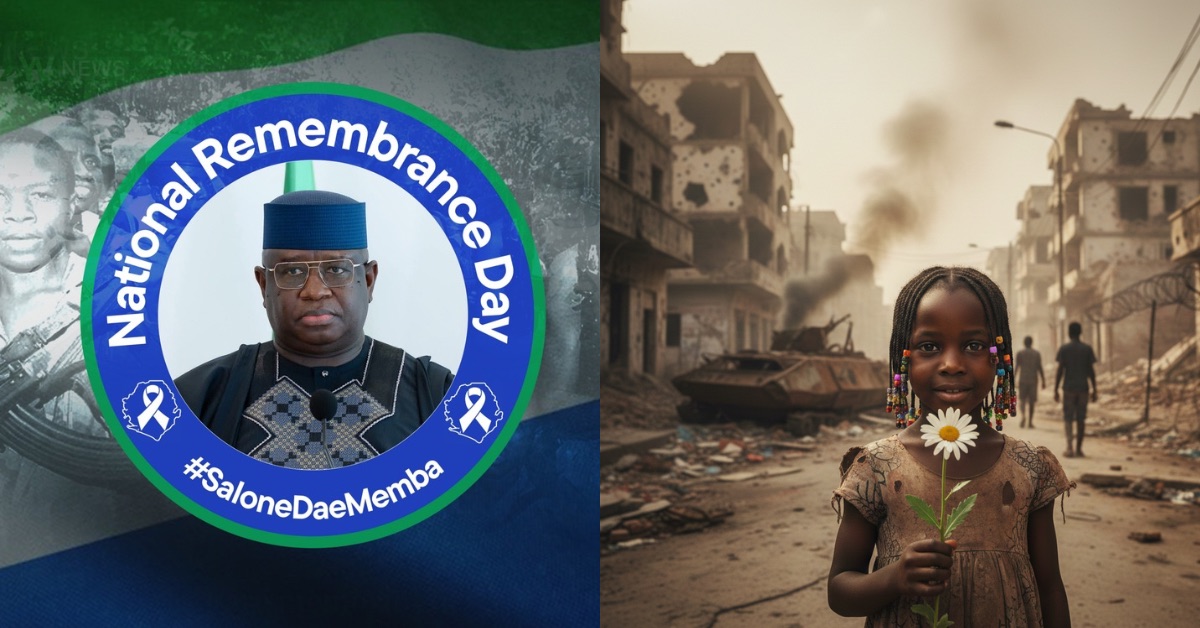
The Government and people of Sierra Leone, under its commitment to national healing, peace building, and historical remembrance, will on January 18, 2026, for the first time, officially commemorate Remembrance Day, marking a significant milestone in the country’s post-war recovery and democratic consolidation.
The chosen date holds deep national significance, as it was on January 18, 2002, that former President Dr. Ahmad Tejan Kabbah formally declared the end of Sierra Leone’s brutal 11-year civil war, ushering in an era of peace after one of the darkest chapters in the nation’s history.
The conflict began in 1991 in Bomaru Village, Kailahun District, when rebels and mercenaries of the Revolutionary United Front (RUF) launched attacks on civilian communities. Within a decade, the war had engulfed every region of the country, leaving a trail of widespread destruction and human suffering.
More than 50,000 people lost their lives, over two million citizens were displaced, and properties worth millions of dollars were destroyed. The war was marked by horrific human rights abuses, most notably the systematic amputation of limbs, used by the RUF as a tactic of terror against innocent civilians, including women and children.
The formal declaration of peace in 2002 followed sustained national resilience, diplomatic engagement, and international support. RUF leader Foday Saybana Sankoh was later arrested and charged with war crimes, including murder, rape, torture, and the recruitment of child soldiers, reinforcing the country’s commitment to justice and accountability.
Scholars and political analysts, including Professor Jimmy Kandeh, have identified corruption, weak governance structures, economic inequality, the struggle over diamond resources, and regional instability linked to the Liberian civil war as key drivers of the conflict.
By instituting Remembrance Day, the Government of Sierra Leone is taking a deliberate step to honor the memory of victims, recognize the resilience of survivors, and reinforce national unity. The observance also reflects the government’s broader commitment to peace, reconciliation, and ensuring that future generations understand the high cost of conflict and the enduring value of stability and democratic governance.
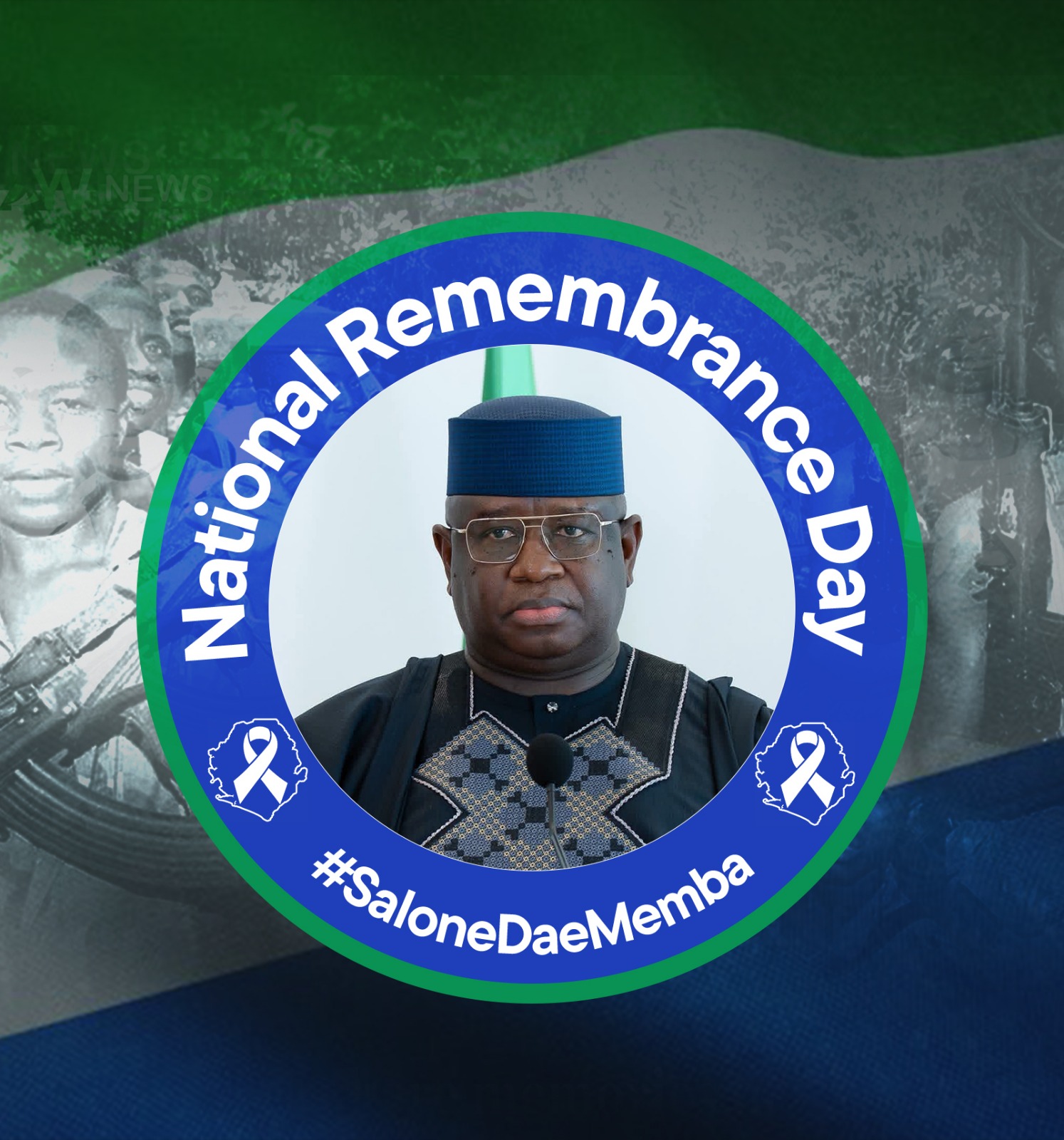
Last week, some senior members of the Sierra Leone Government like President Julius Maada Bio and the Information Minister Chernor Bah encouraged citizens to participate in the commemoration. Citizens are encouraged to pray for victims of the war at midday on January 18.