

Sierra Leone Team Meets Ghana to Bolster Mines and Minerals Sector
 Salamatu Y. Kamara
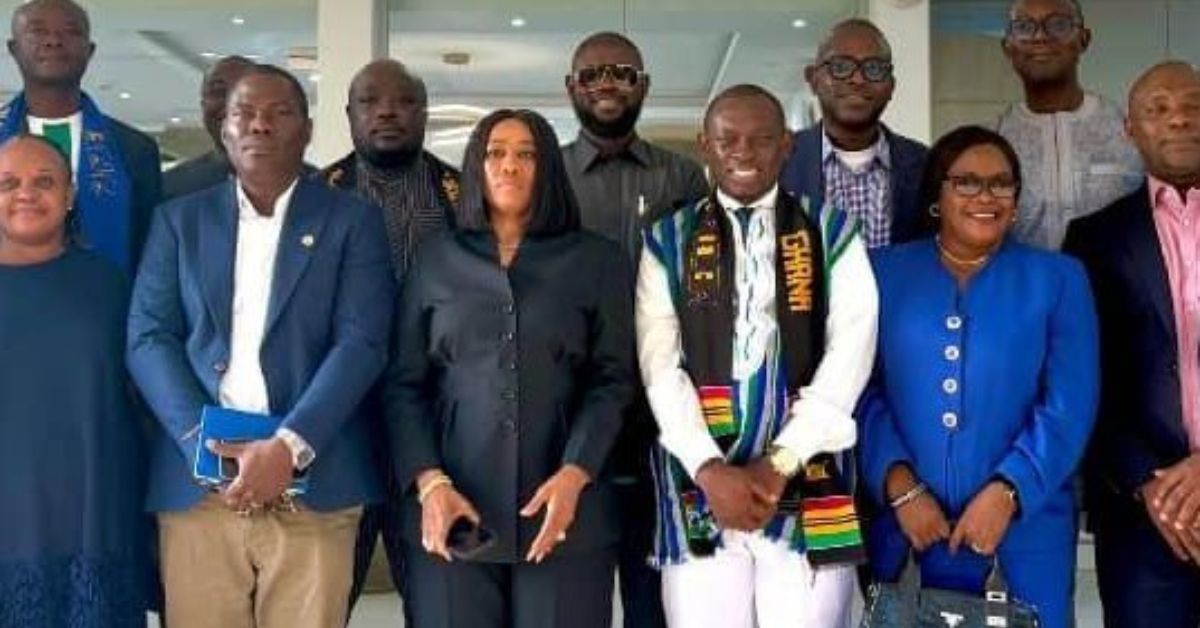
 A team from Sierra Leone, led by the Public Sector Reform Unit, has begun a study tour in Ghana, a significant step in the country’s reform agenda.
The high-level delegation from Sierra Leone comprises the National Mining Agency (NMA), the Ministry of Mines and Mineral Resources, and the Public Sector Reform Unit. This strategic visit to Ghana is aimed at advancing institutional strength within Sierra Leone’s mines and minerals sector.
The visit follows recent reforms in Sierra Leone and also the establishment of the National Minerals Agency, which has enhanced regulatory clarity, consistency, and strengthened the legislative framework governing the sector.

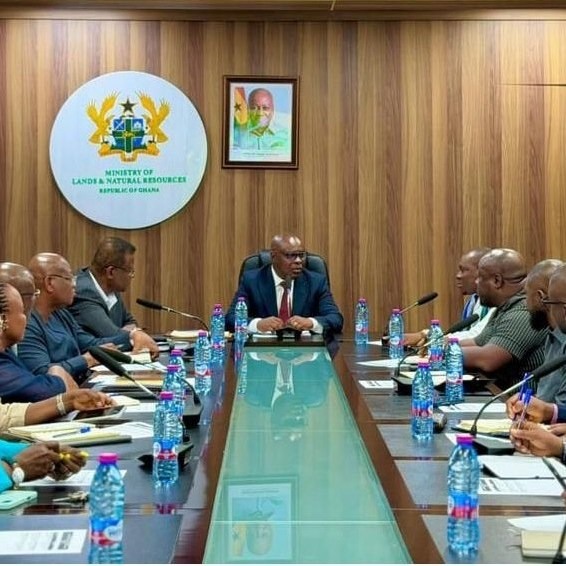
As part of the engagement, the Public Sector Reform Unit (PSRU) partnered with Ghana’s Ministry of Lands and Natural Resources and Minerals Commission to examine governance structures, institutional arrangements, and regulatory systems that have contributed to Ghana’s long-standing success in managing its natural resources.

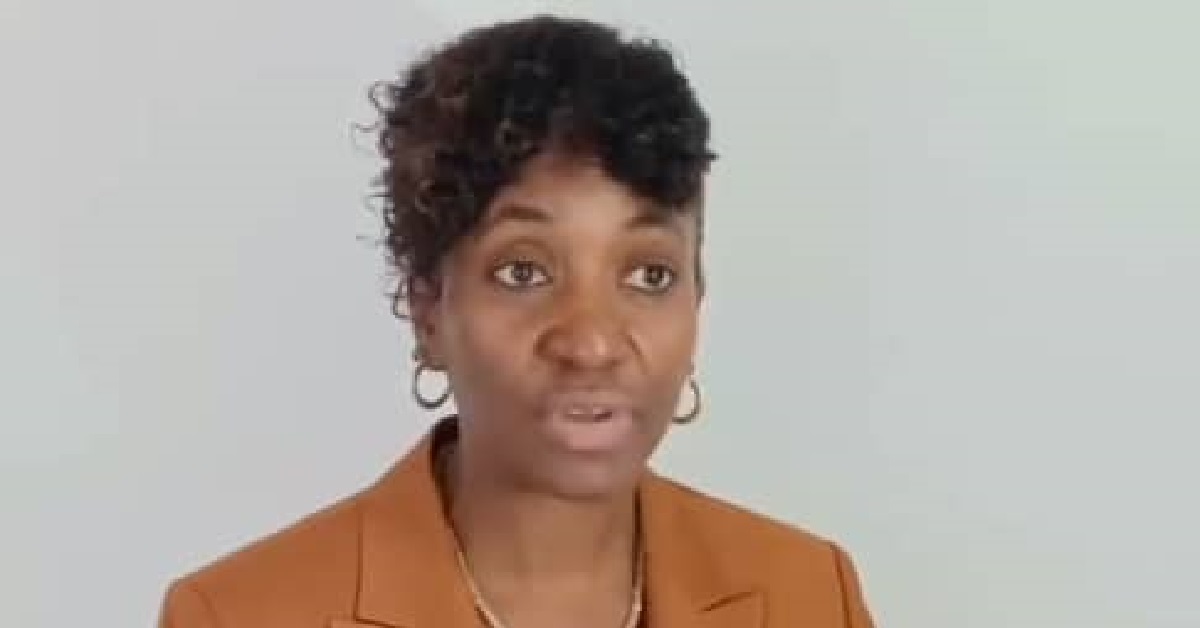
High-level discussions provided an opportunity for the Sierra Leone delegation to benchmark progress, exchange best practices, and identify adaptable models to improve efficient and responsive service delivery.
Making his statements during the various engagements, the Director of PSRU, Sulaiman Phoray-Musa, stated that reform in the mines and minerals sector is not merely an administrative exercise; however, they are fundamental to repositioning Sierra Leone’s natural resources as a key driver of sustainable national development.
The Director further mentioned that the importance of such reforms lies in their potential to transform the sector into a catalyst for inclusive growth. By promoting responsible mining practices, increasing revenue mobilisation, and ensuring equitable benefit sharing, we can create jobs, support local economies, and invest more meaningfully in national development priorities.
“Ultimately, a well-regulated and transparent mines and minerals sector will not only enhance Sierra Leone’s global competitiveness but also ensure that our natural resources contribute directly to improved livelihoods and long-term economic resilience for our people,” said Phoray-Musa.
During one of the sessions, the Chief Director of the Ministry of Lands and Natural Resources in Ghana, Innocent Marcus Haligah, highlighted the Ministry’s central role in policy development and sector coordination. He explained that the Ministry is primarily responsible for formulating and adapting policies for government, as well as providing strategic advice on issues within the natural resources sector. Haligah emphasised that while technical agencies and commissions deliver detailed and specialised functions, the Ministry maintains a supervisory and policy-oriented role.
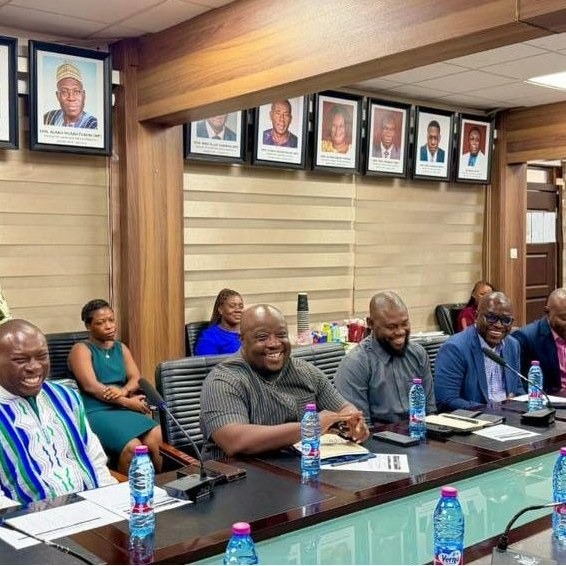
The visit to the Minerals Commission in Ghana informed that the Commission is the primary government agency responsible for regulating, managing, and coordinating policy for Ghana’s mineral resources.
It advises the Minister of Lands and Natural Resources, issues licenses for mineral exploration and extraction, and enforces compliance with safety and environmental regulations in the mining industry.
The Sierra Leone delegation expressed confidence that the insights gained from the visit will contribute to building resilient institutions capable of delivering timely and effective public services within the country’s mining and minerals sector.