

SLPHA Cracks Down on Major Drug Network in Freetown, Seizes Over 400 Boxes of Tramadol
 Sahid Bangura
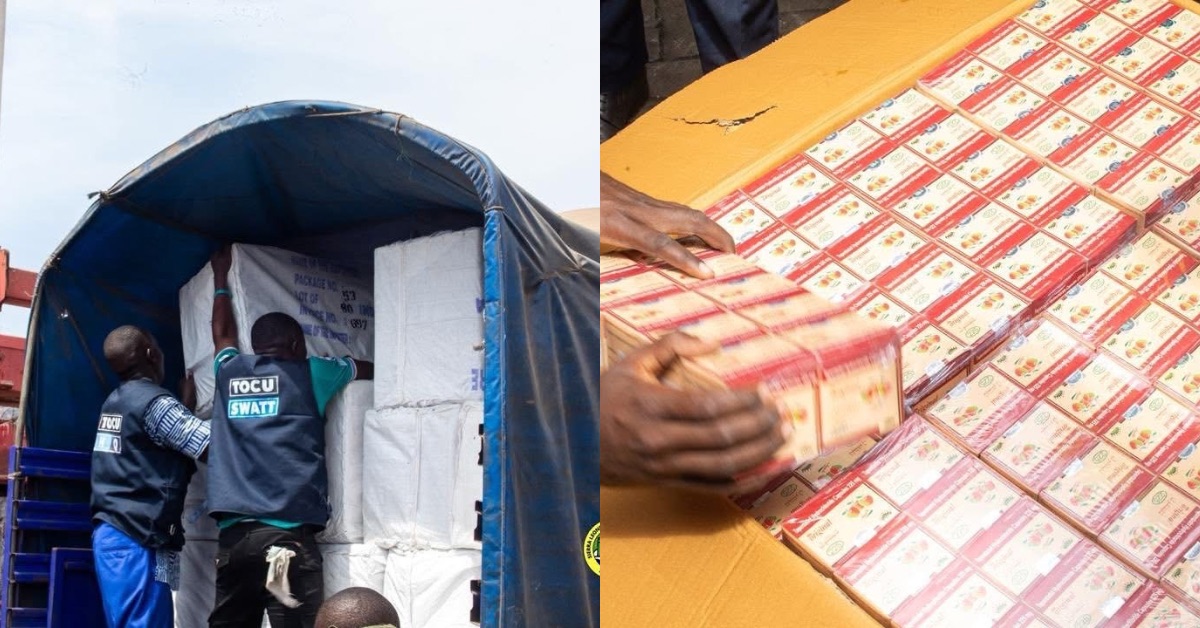
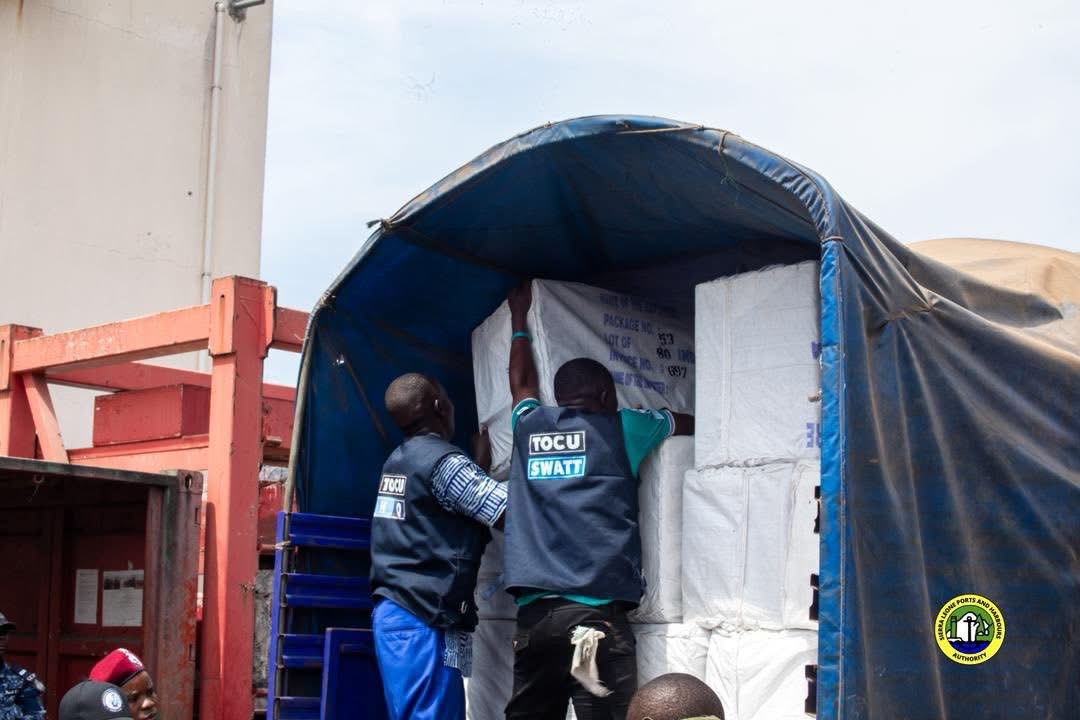
 Authorities at the Sierra Leone Ports and Harbours Authority (SLPHA) have seized 416 large boxes of tramadol in a major operation targeting illegal drug distribution in Freetown, according to information from the SLPHA compound at Cline Town.
The shipment, described by officials as “killer pills,” was reportedly being prepared for sale on the streets despite a government ban on tramadol. Sources indicate that some of the consignments may also have been intended for smuggling across Sierra Leone’s borders into neighbouring Guinea and Liberia.
The successful interception has been described as a significant step in the ongoing fight against illegal drugs. Officials involved in the operation expressed confidence in their actions, noting that the seizure reflects growing efforts to dismantle drug networks operating within the capital.

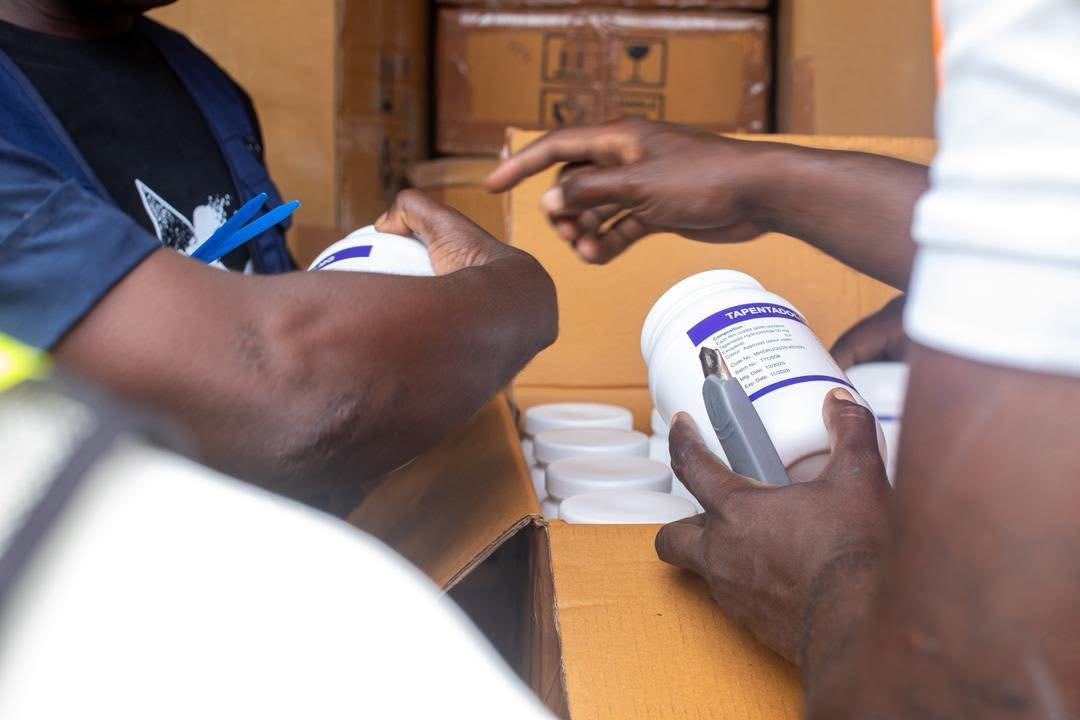


Several individuals have been arrested in connection with the shipment. The confiscated drugs have since been handed over to the Transnational Organized Crime Unit of the Sierra Leone Police for further investigation and possible prosecution.
Concerns have been raised, however, about the pace of judicial proceedings. Observers say delays in bringing suspects to court could undermine public confidence in the justice system, especially at a time when misinformation on social media is widespread. There are calls for swift legal action, with some describing the case as “clear” and urging authorities to avoid unnecessary delays.
Preliminary reports suggest the seized tramadol shipment originated from India. This has renewed discussions about the need for stronger international cooperation to prevent the export of banned or controlled substances into Sierra Leone.
Reference has also been made to a previous case involving contraband shipped from Portsmouth in the United Kingdom, with critics noting that no formal representation was reportedly made to the exporting country at the time.
Analysts argue that without firm diplomatic engagement with countries of origin, Sierra Leone risks continuing to intercept multiple shipments while potentially missing larger consignments.
There are also increasing calls for tougher penalties against those involved in drug trafficking, including the confiscation of assets linked to convicted drug dealers. Some stakeholders have suggested that proceeds from such confiscations should be redirected to support drug rehabilitation centers across the country.
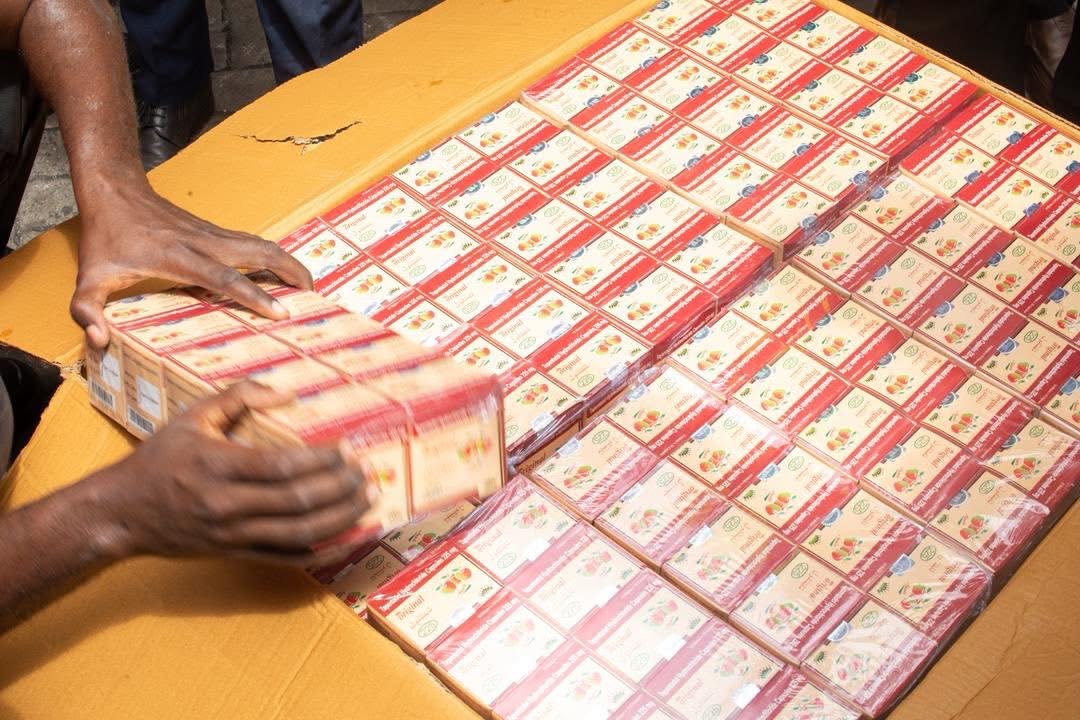
The latest seizure highlights the scale of the drug problem in Sierra Leone and underscores the challenges faced by authorities in curbing illegal distribution networks. Investigations are ongoing, and further updates are expected as the case progresses through the legal system.