
Stats-SL, Health Ministry Launch Three-Week Training for 2026 Demographic, Health Survey
 Kanja Sesay
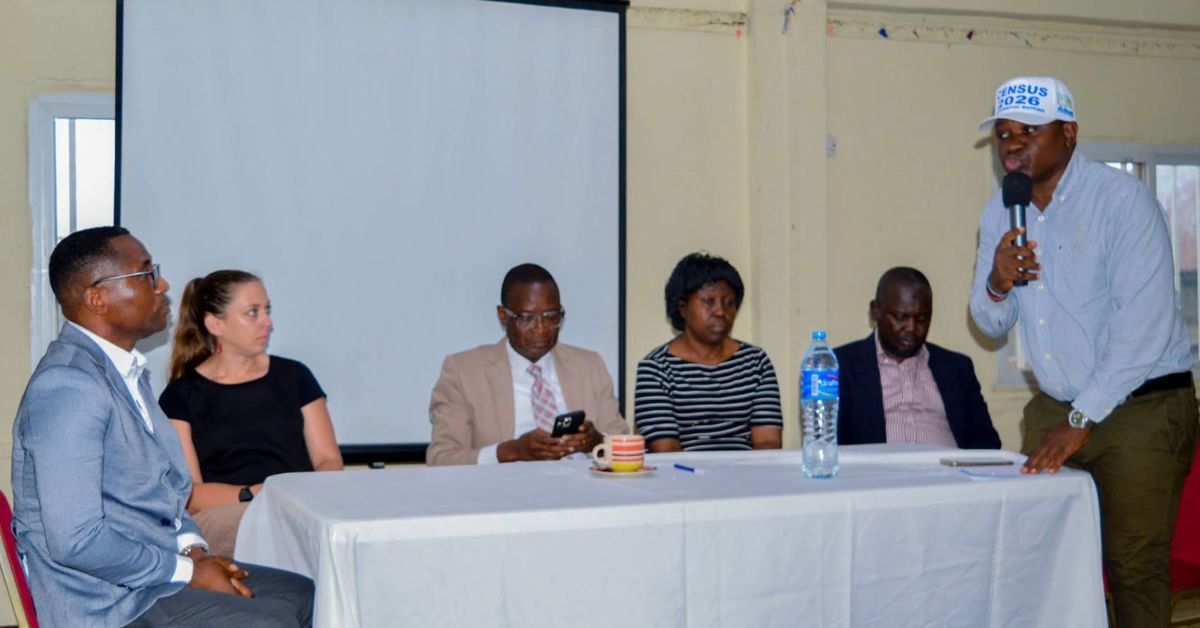
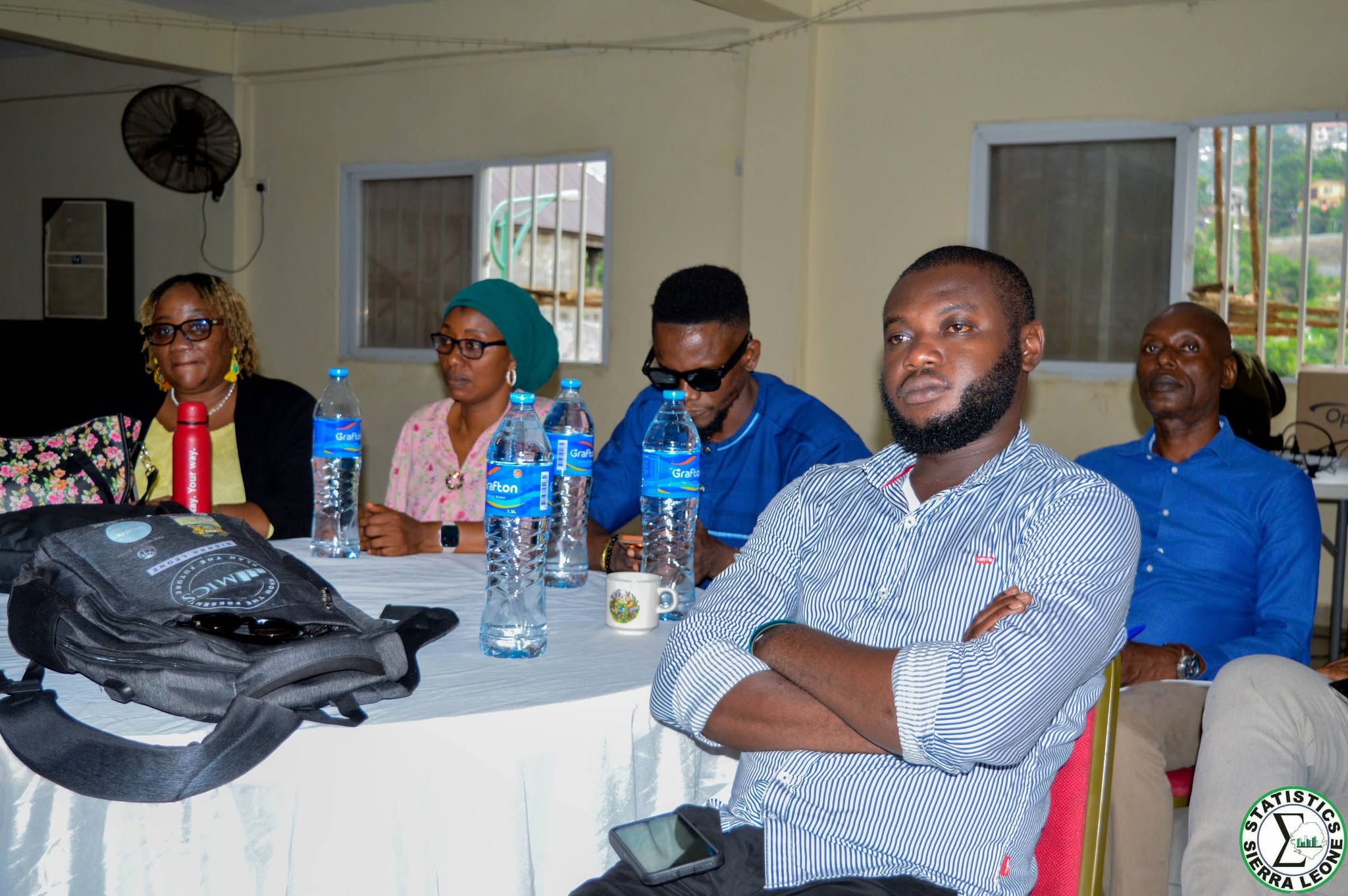
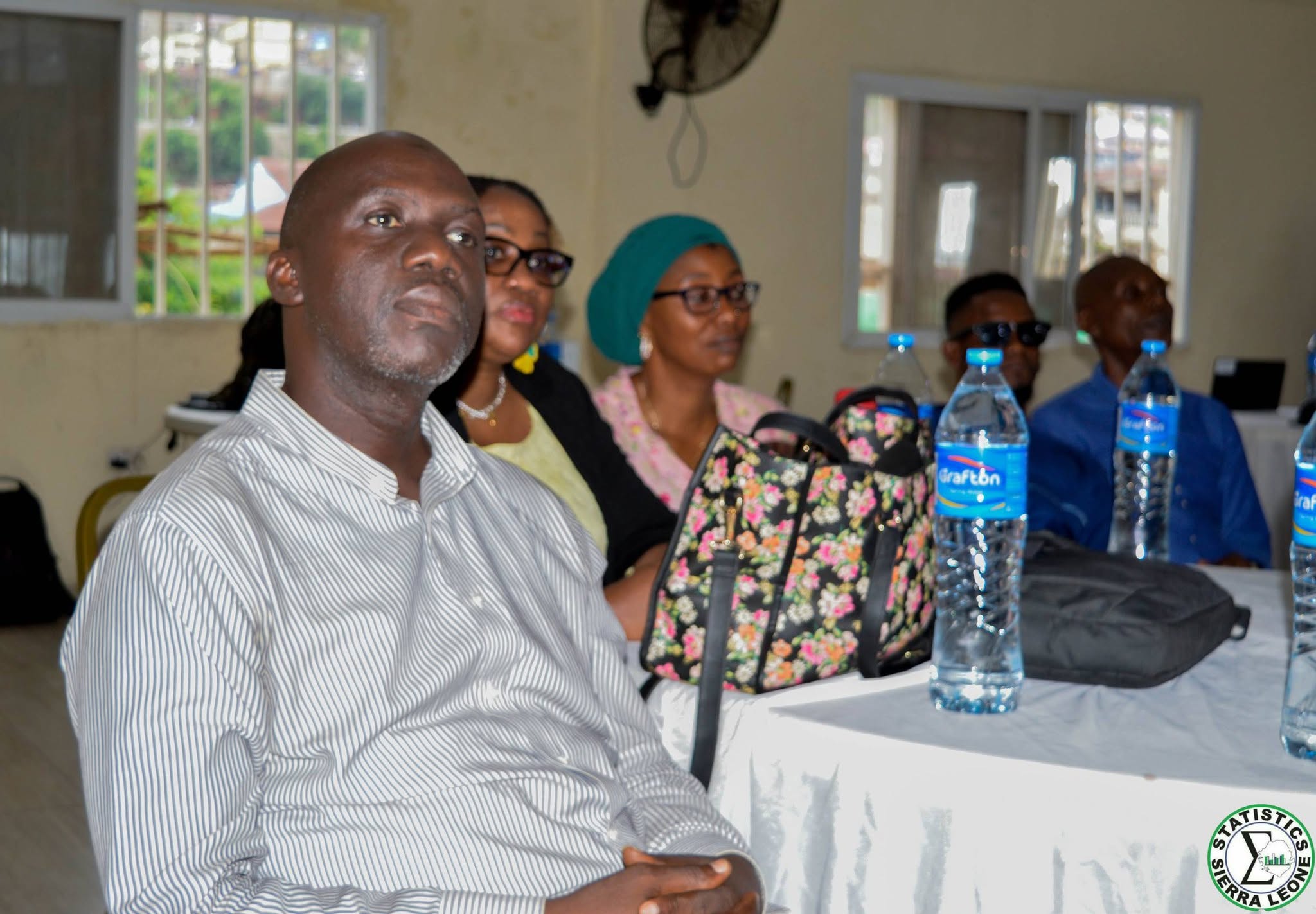
 Statistics Sierra Leone (Stats SL), in collaboration with the Ministry of Health and with technical support from ICF, has started a three week pre-test training workshop for the 2026 Demographic and Health Survey (DHS).
The training, held at Theresa Sesay Hall on Kennedy Street, Freetown, is designed to prepare field personnel with the skills and knowledge needed for effective data collection ahead of the nationwide survey.
The workshop brings together technical experts, government representatives, and other stakeholders to train participants on survey tools and prepare them for the pre-testing of questionnaires that will be used during the exercise.


Director of Demographic, Health and Social Statistics at Stats SL, Mohamed Koblo Kamara, said the DHS is one of Sierra Leone’s most important national surveys, providing key information on areas such as maternal and child health, nutrition, fertility, and other development indicators.
He explained that the data collected through the survey will support the Ministry of Health and other institutions in making informed decisions, planning programmes, and improving service delivery.
Mr. Kamara encouraged participants to take the training seriously and maintain high standards, noting that quality data is important for national development planning.
Representing ICF, Hanna Useem said the organization was pleased to support Stats SL in conducting the survey. She described the DHS as an important exercise that will strengthen Sierra Leone’s health and demographic data systems.
She reaffirmed ICF’s commitment to supporting the survey process and commended Stats SL for its efforts in producing reliable statistics for national development.
Speaking on behalf of the Ministry of Health, Monitoring and Evaluation Specialist Nelson Fofanah highlighted the importance of the DHS in measuring the impact of health programmes across the country.
He said the survey helps the Ministry track progress, identify challenges, and improve health interventions by providing reliable evidence for policy decisions, programme implementation, and resource allocation.
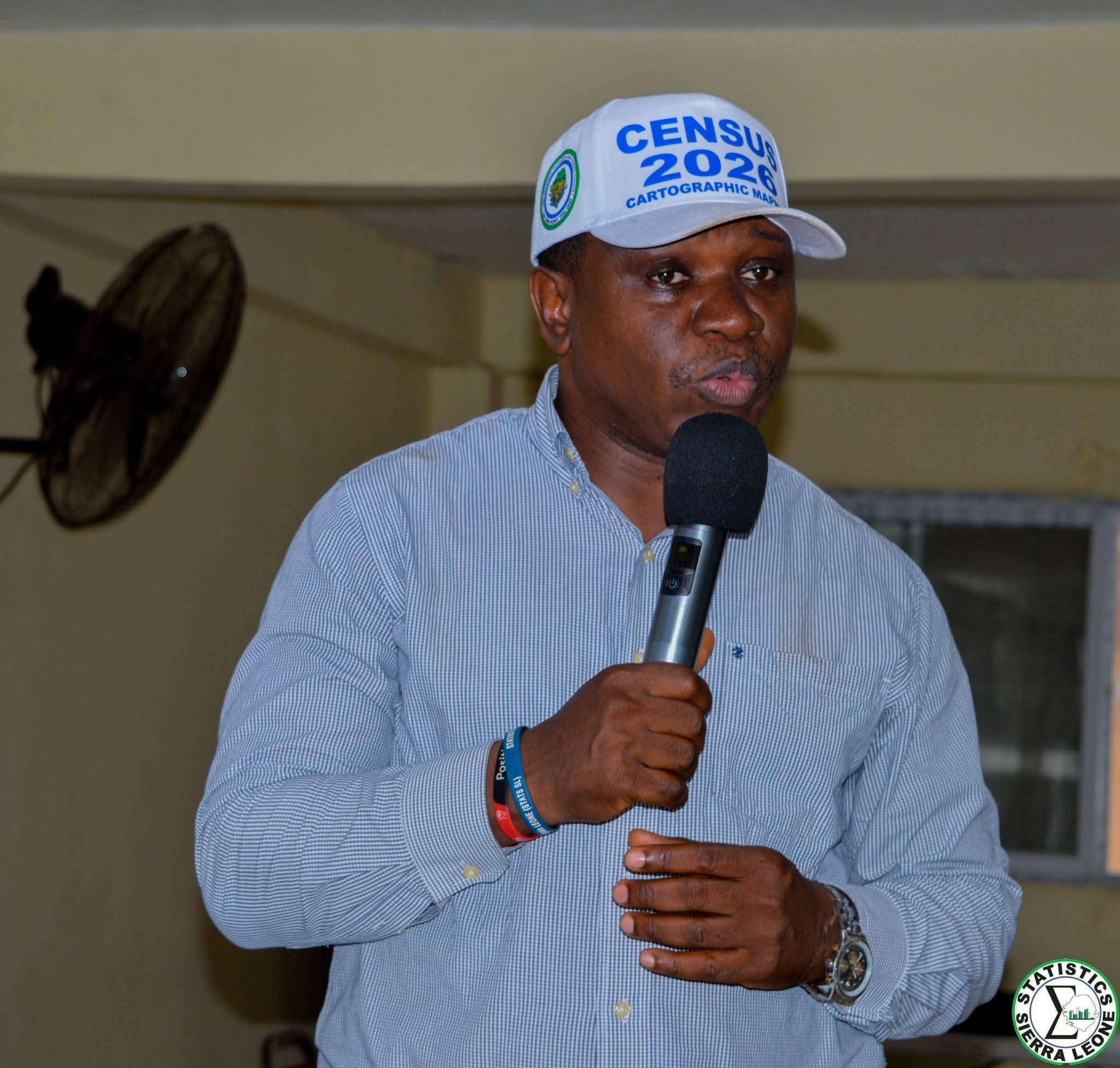
Declaring the training open, Statistician General and Chief Executive Officer of Stats SL, Andrew Bob Johnny, emphasized the importance of the DHS in guiding national health policies and programmes.
Mr. Johnny noted that Sierra Leone has conducted several DHS exercises over the years, with each survey providing important information for planning and development.
He urged participants to remain committed, disciplined, and professional throughout the training, stressing that the success of the survey depends on the quality of work carried out by those involved.
A Demographic and Health Survey is a nationally representative household survey that collects information on population, health, and nutrition. The findings help government institutions, development partners, researchers, and health professionals understand key health trends and make better decisions.
The 2026 DHS is expected to provide updated data on important areas including maternal and child health, nutrition, fertility, mortality, and other health indicators in Sierra Leone.