Post a comment
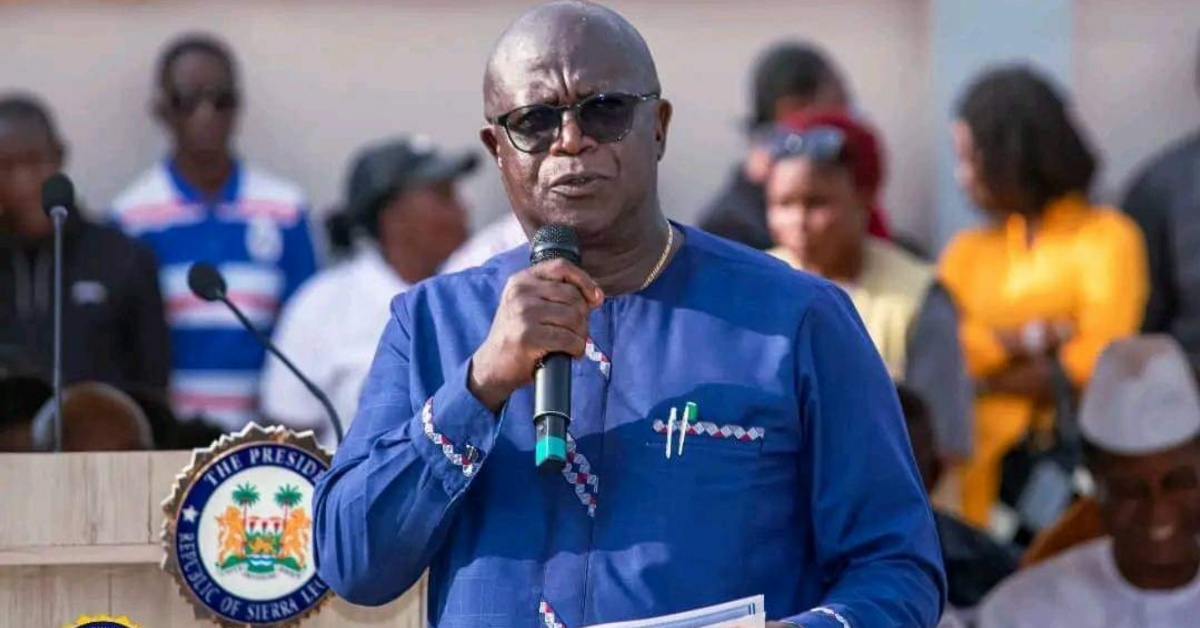
The Minister of Local Government and Community Affairs, Tamba Lamina, has reaffirmed the government’s commitment to decentralisation and local governance reforms, announcing the commencement of Phase Two of the New Localities process to boost grassroots participation in national development.
Minister Lamina described decentralisation as a deliberate policy choice by President Julius Maada Bio to empower communities and bring governance closer to the people.
“Decentralisation is about transferring authority from the centre to local councils so communities can set priorities and make decisions about their own development,” he said, adding that it remains central to the government’s inclusive development agenda.
He explained that the Local Government Act of 2004 provides the legal framework for decentralisation, ensuring coordination between central government ministries and local councils in planning, budgeting, and service delivery.
Minister Lamina said the government has completed Phase One of the New Localities process and is now moving into Phase Two, which will involve extensive consultations with communities to account for population growth and local realities.
“These reforms are guided by transparency, data, and community engagement. We will only make recommendations after thorough assessments and consultations,” he added.
In a related announcement, Minister Lamina outlined accelerated plans to transform Lungi into a modern, internationally competitive hub, describing it as Sierra Leone’s gateway to the world. He noted the initiative is timely as President Bio, in his role as Chairman of ECOWAS, is expected to host regional leaders and dignitaries.
He also revealed that the government, in collaboration with the Ministry of Finance, will begin reviewing the Chieftaincy Act of 2009 to modernise traditional governance structures and address emerging challenges.