

 Post a comment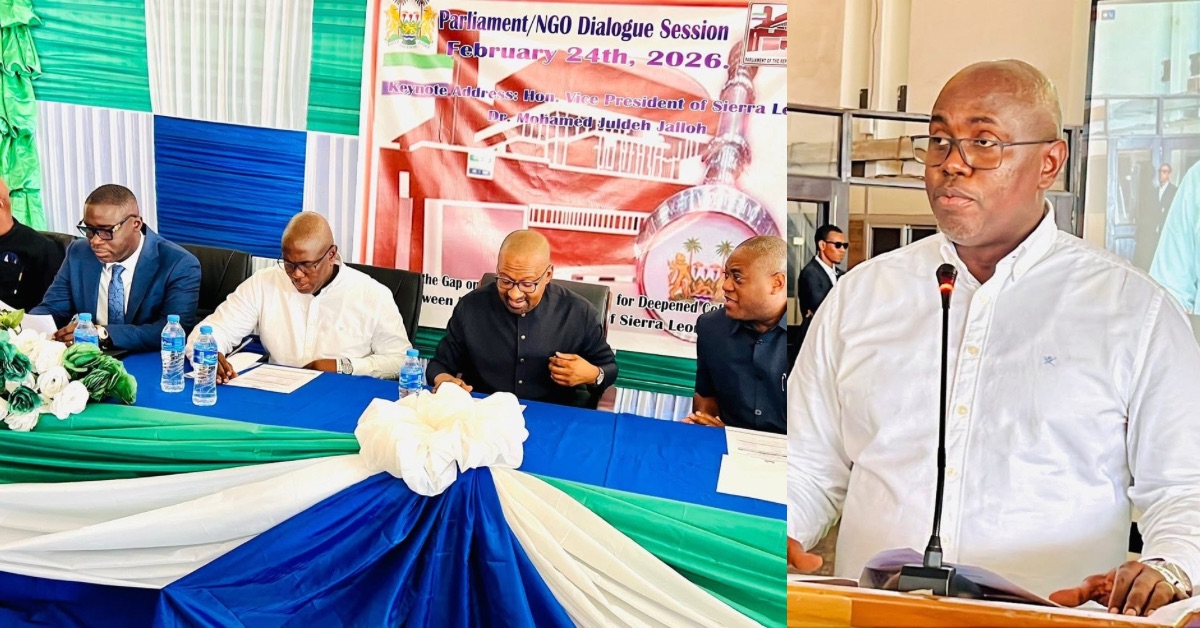
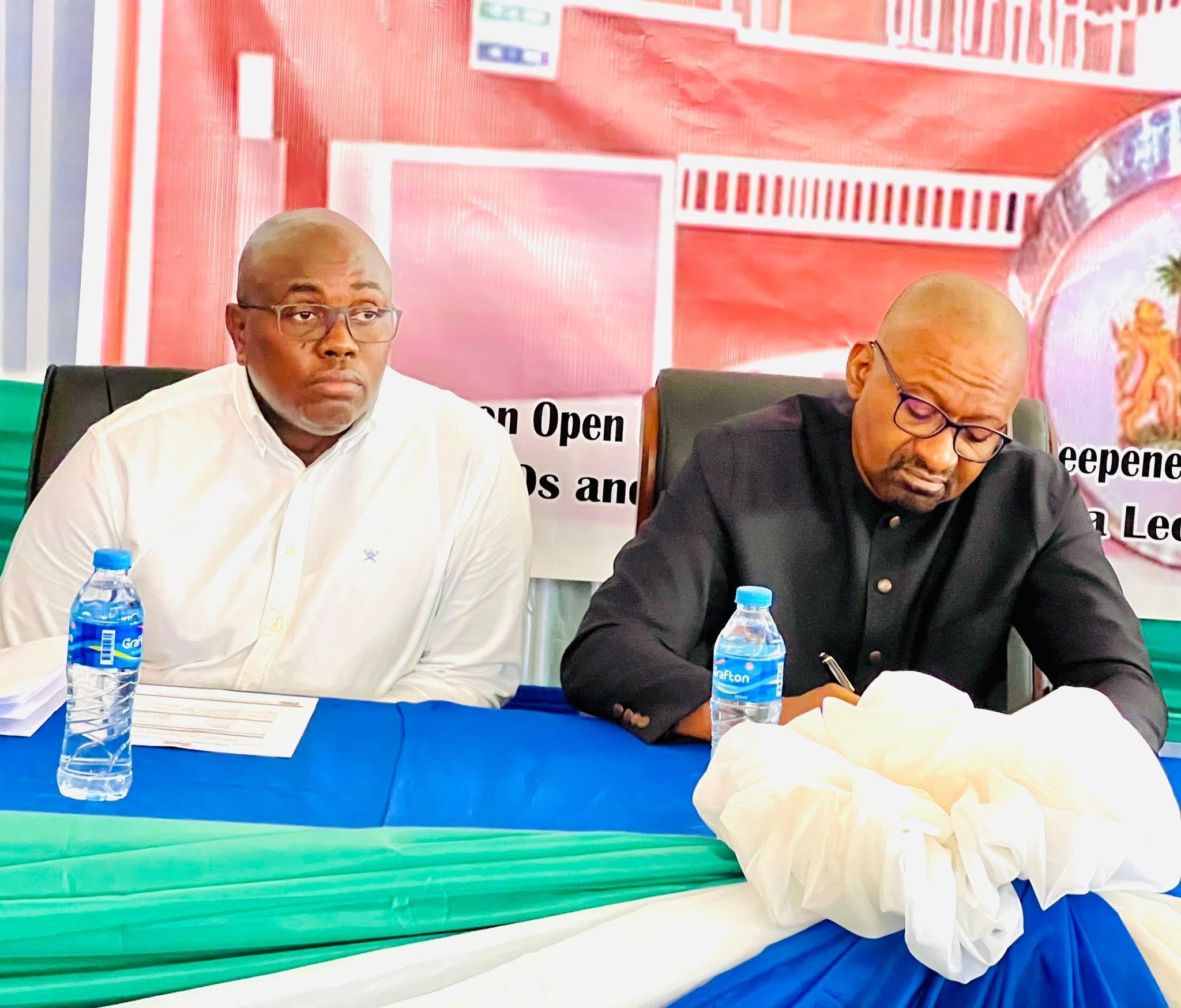
The Speaker of the Parliament of Sierra Leone, Rt. Hon. Segepoh Solomon Thomas, on Tuesday, February 24, 2026, described the NGO-Parliamentary Dialogue as a crucial step toward strengthening policy coherence in line with the national priorities of President Julius Maada Bio.
Addressing participants at the dialogue, Speaker Thomas said the engagement deepens the democratic process, stressing that Parliament does not operate in isolation. He reaffirmed that the forum enhances mutual transparency and deliberate coordination between state institutions and non-state actors.
According to him, the dialogue is anchored in the conviction that sustainable national development requires institutional coherence, shared accountability, and participatory governance. He noted that structured collaboration between Parliament and non-governmental organizations is both necessary and timely.
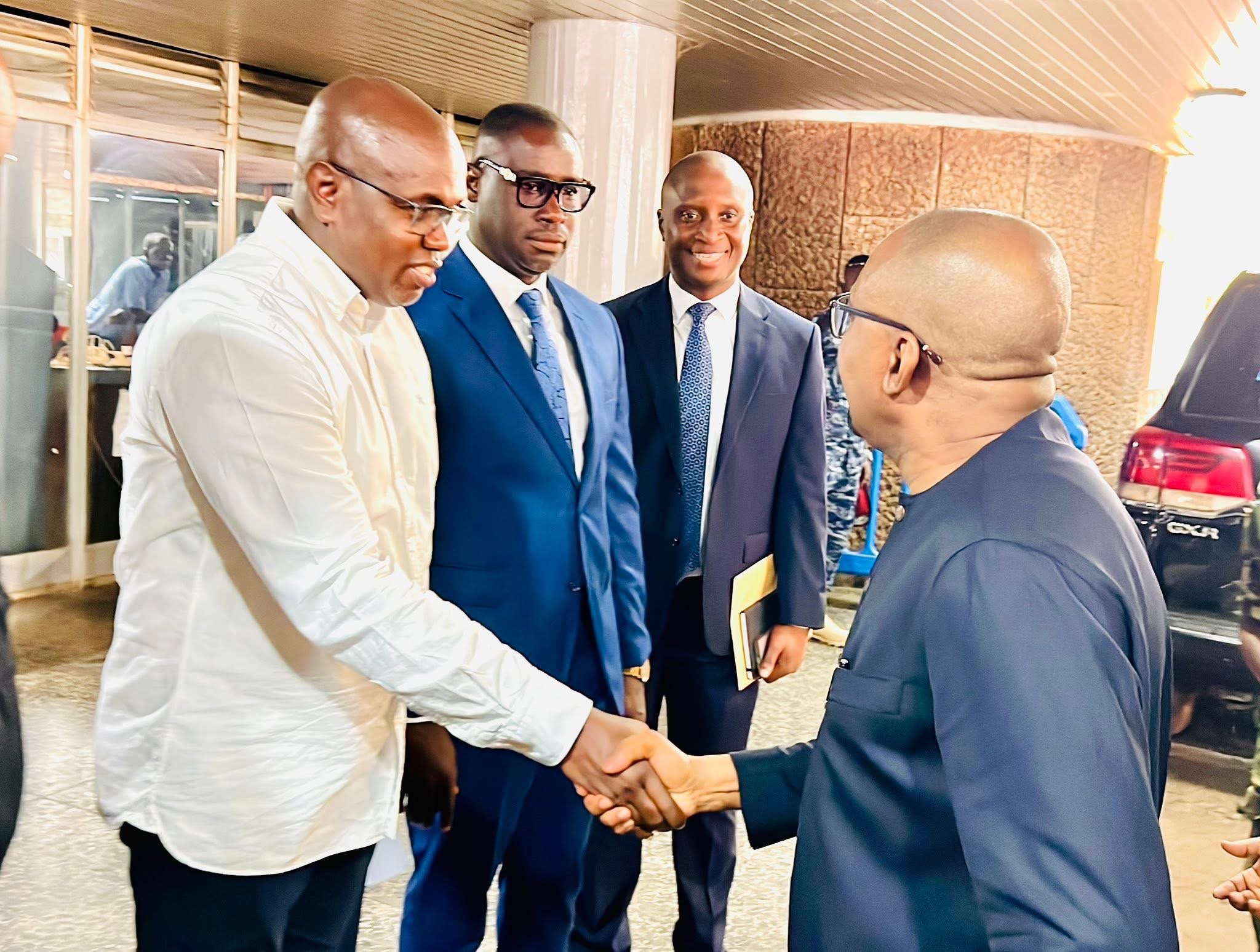
Speaker Thomas reminded participants that Parliament, as the supreme legislative body of the Republic, is constitutionally mandated to legislate, represent, and oversee. He said NGOs serve as vital development partners by delivering services, advancing community empowerment, strengthening accountability, and complementing state capacity across various sectors.
He pointed out that both Parliament and NGOs operate within the same national development ecosystem and, importantly, within the same constituencies. This shared operational space, he said, makes structured dialogue not only desirable but necessary.
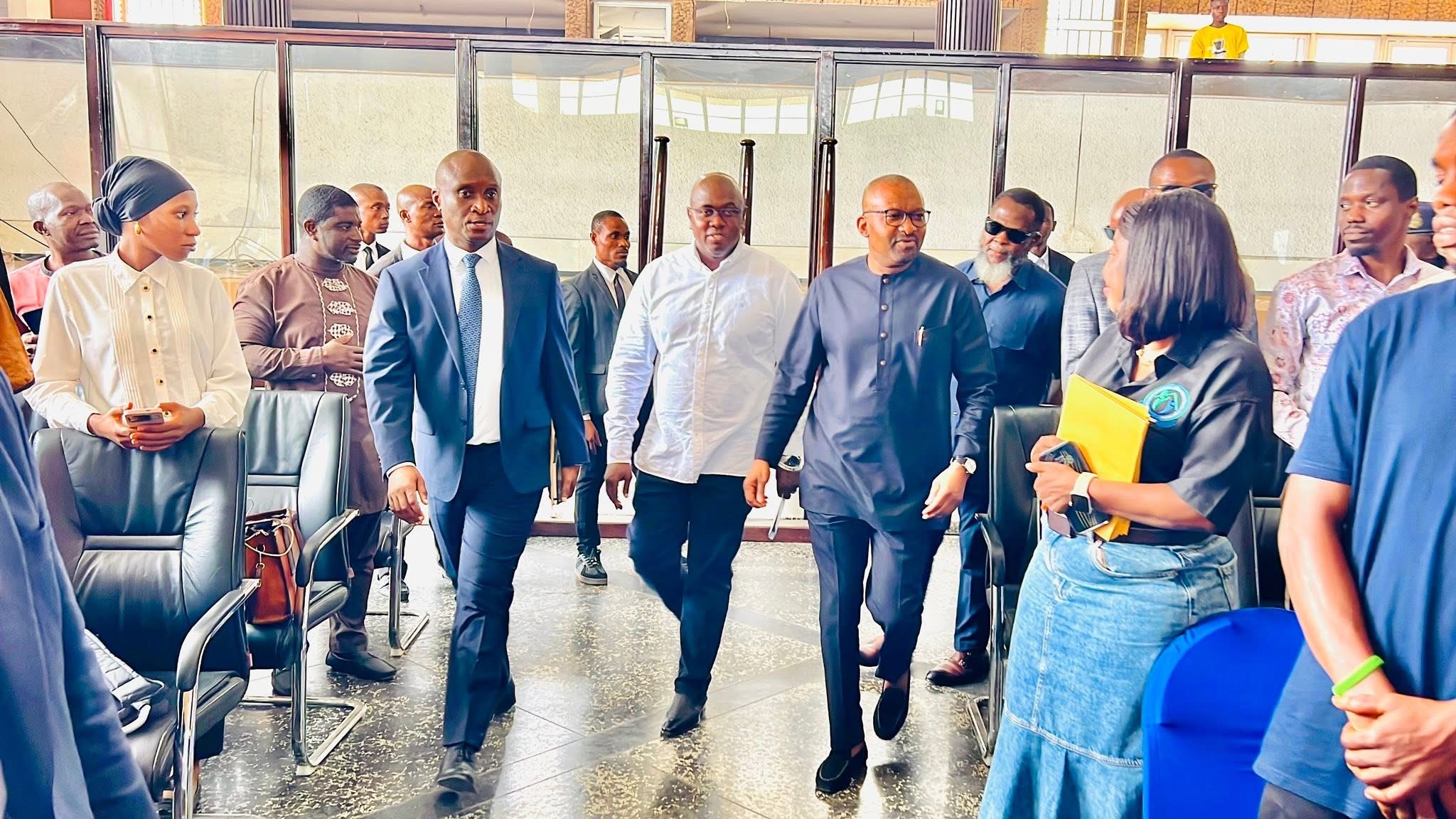
The Speaker emphasized that Members of Parliament are elected representatives of the communities where NGOs design and implement development interventions. He said it is imperative that MPs are adequately informed about the operational mandates, processes, and procedures of NGOs working in their constituencies.
Such inclusion, he explained, enables Members of Parliament to effectively perform their representative and oversight functions, avoid duplication of efforts, and harmonize local development priorities with national legislative frameworks. He stressed that development efforts should be coordinated rather than fragmented, in alignment with the country’s broader development aspirations.
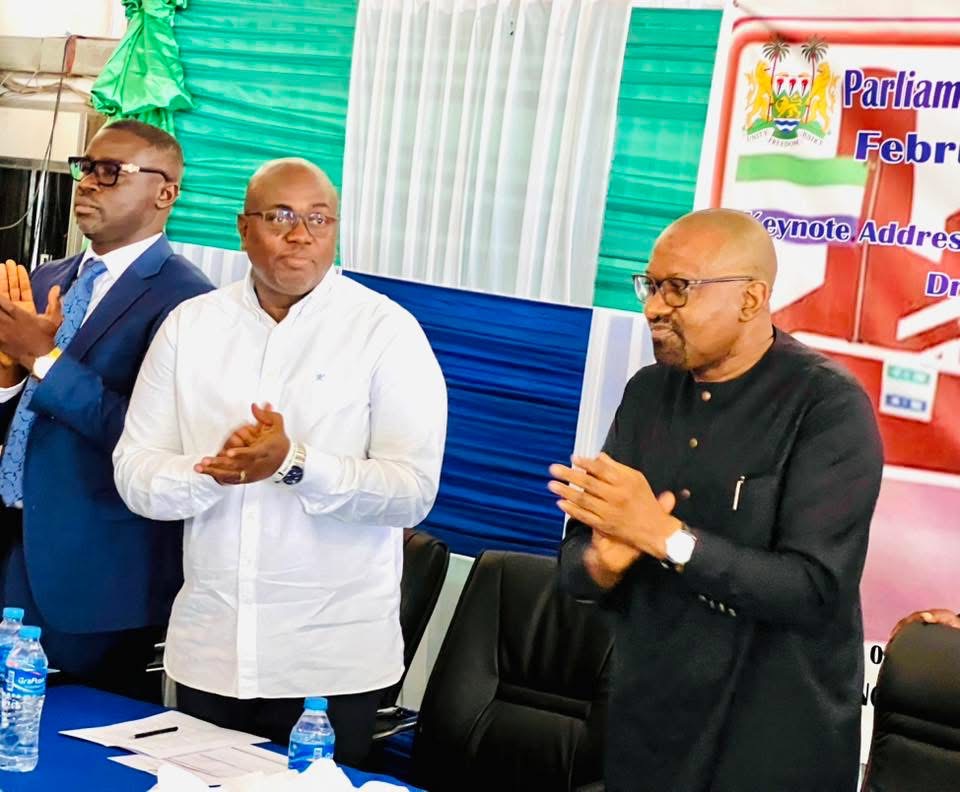
Speaker Thomas also acknowledged Parliament’s responsibility to ensure that its own processes are accessible to NGO partners. “Parliament is also required to ensure its own processes, legislative calendar, committee systems, and oversight mechanisms are accessible and intelligible to our NGO partners,” he said. “When NGOs understand how Parliament functions, they are better positioned to ensure through a co-creation approach.”
Underscoring the importance of policy coherence, he stated that alignment with national priorities is key to ensuring development interventions are impactful and sustainable. He reiterated Parliament’s role in providing legislative oversight to guarantee accountability, equity, and transparency in the utilization of resources.
“Let us use this forum to establish clear communication channels, define modalities for information-sharing, and consider periodic engagement between parliamentary committees and relevant NGOs,” Speaker Thomas concluded. “Structured coordination platforms can significantly enhance development outcomes and legislative responsiveness.”
The event was organized as part of ongoing efforts by the Parliamentary and Public Relations Department of Parliament of Sierra Leone to strengthen collaboration between lawmakers and civil society organizations.


