
VP Juldeh Jalloh Chairs UK–Sierra Leone Strategic Roundtable
 Sia Lucy Kannah
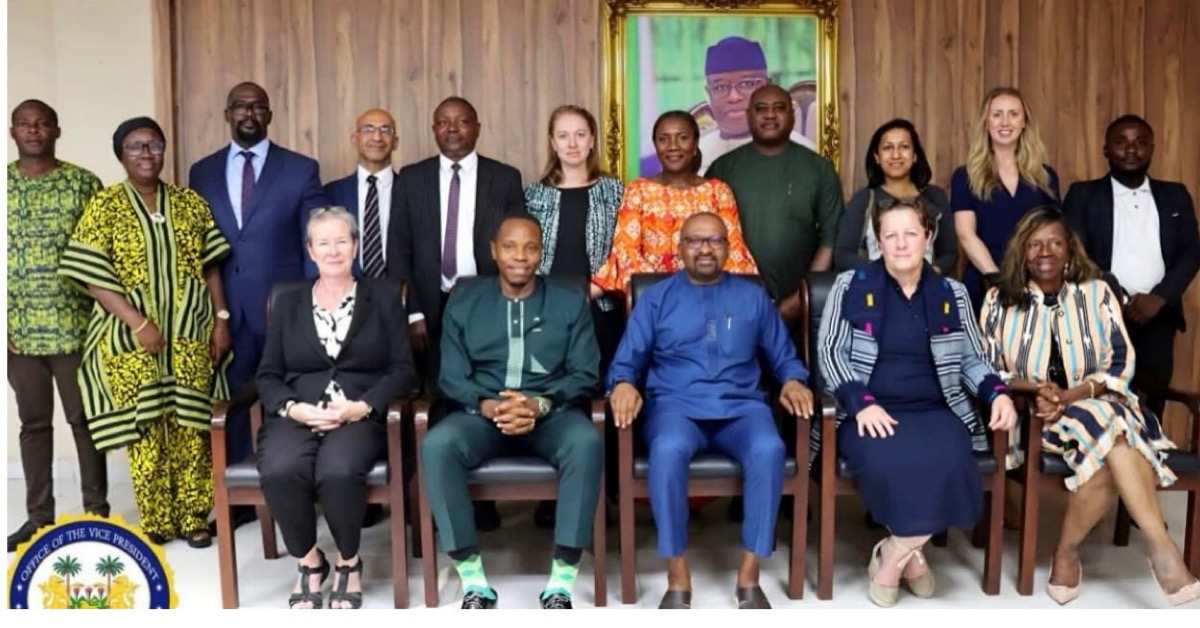
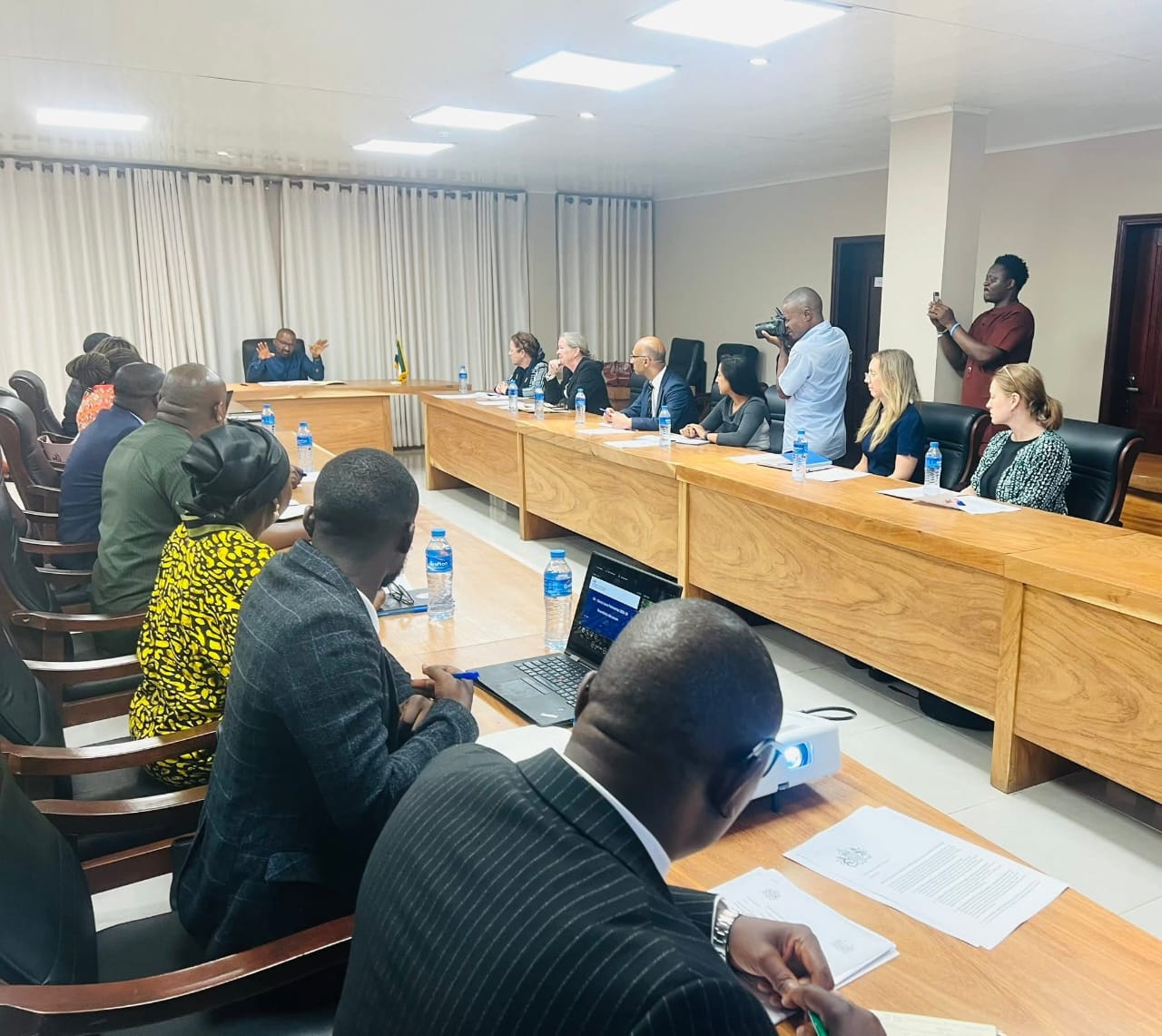
 A high-level roundtable consultation on the future of the UK–Sierra Leone Partnership for 2026–2029 was convened at the Office of the Vice President in Freetown, chaired by Sierra Leone’s Vice President, Mohamed Juldeh Jalloh. On Monday, 11th May, 2026.
The consultation focused on jointly shaping a renewed and more strategic partnership framework aligned with Sierra Leone’s Medium-Term National Development Plan (2024–2030), the Government’s economic transformation agenda, and the United Kingdom’s new Approach to Africa, which emphasizes investment, growth, systems strengthening, and mutually beneficial partnerships.
Vice President Juldeh Jalloh described the engagement as timely and important, noting that the global development landscape is undergoing significant changes that require countries and development partners to rethink traditional models of cooperation. He acknowledged the United Kingdom’s longstanding contribution to Sierra Leone’s development journey, particularly in governance reforms, education, health, energy access, institutional strengthening, and post-conflict recovery.

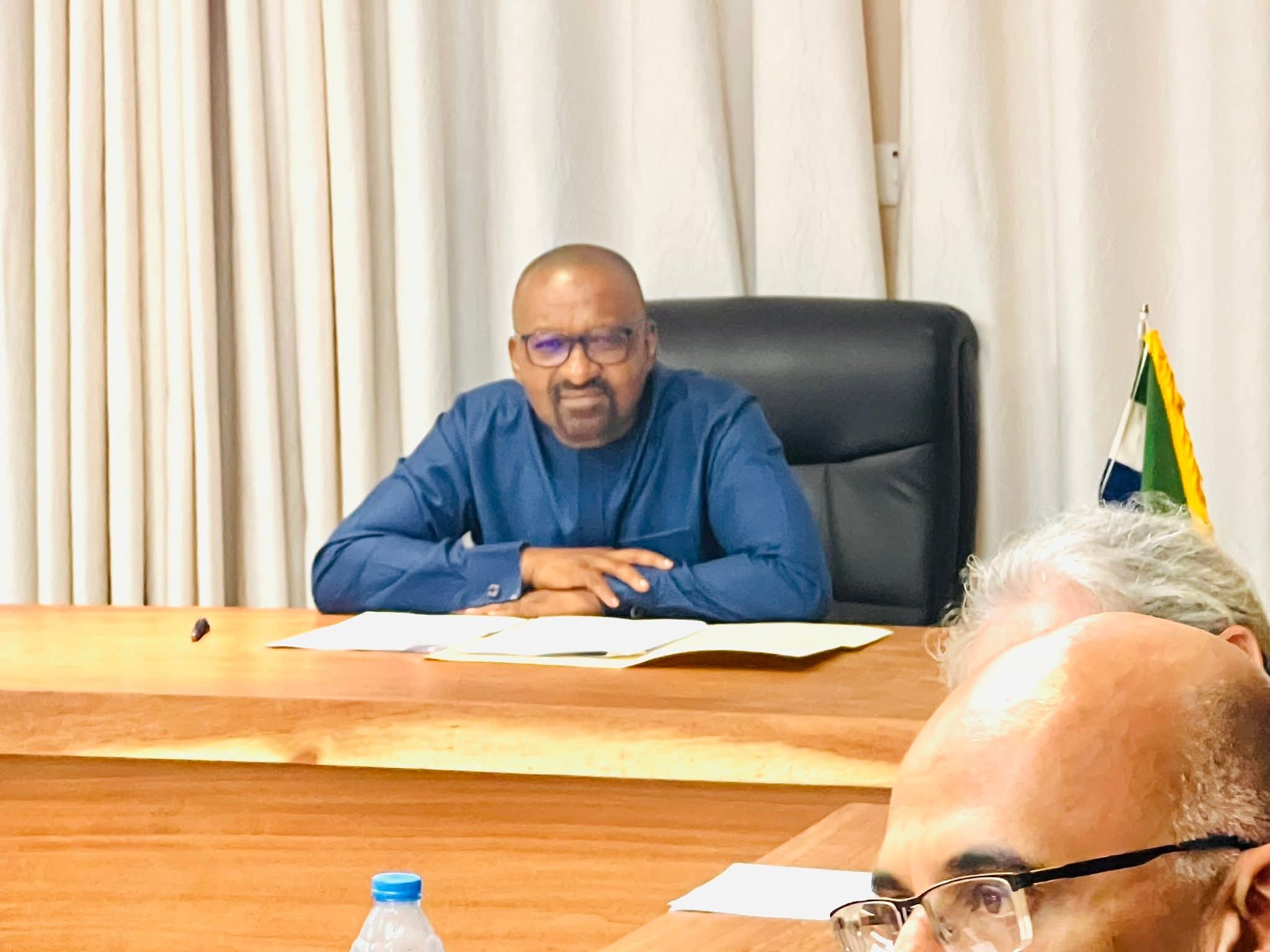
The Vice President emphasized the need for future cooperation to focus on measurable impact, practical systems strengthening, investment readiness, and sustainable institutional capacity development. He further stressed the importance of leveraging multilateral financing opportunities and catalytic investments capable of driving Sierra Leone’s long-term economic transformation.
Speaking during the consultation, Minister Kenyeh Barlay reflected on the historical depth of UK–Sierra Leone relations, describing the United Kingdom as one of Sierra Leone’s most consistent and strategic development partners. She noted that UK support has significantly contributed to human capital development, governance reforms, infrastructure, and economic recovery efforts over the years.
Additionally, Chief Minister David Sengeh called for the partnership to increasingly reflect Sierra Leone’s local realities and priorities, particularly around investment promotion, private sector growth, innovation, and youth empowerment. He emphasized the need to support small and medium enterprises, creative industries, and local entrepreneurs by creating pathways for investment readiness and access to international opportunities.
The Chief Minister also highlighted the importance of strengthening collaboration with British businesses and development finance institutions to unlock sustainable investments, while ensuring that measurable outcomes are reflected in the lives of ordinary Sierra Leoneans through jobs, innovation, skills development, and expanded market opportunities.
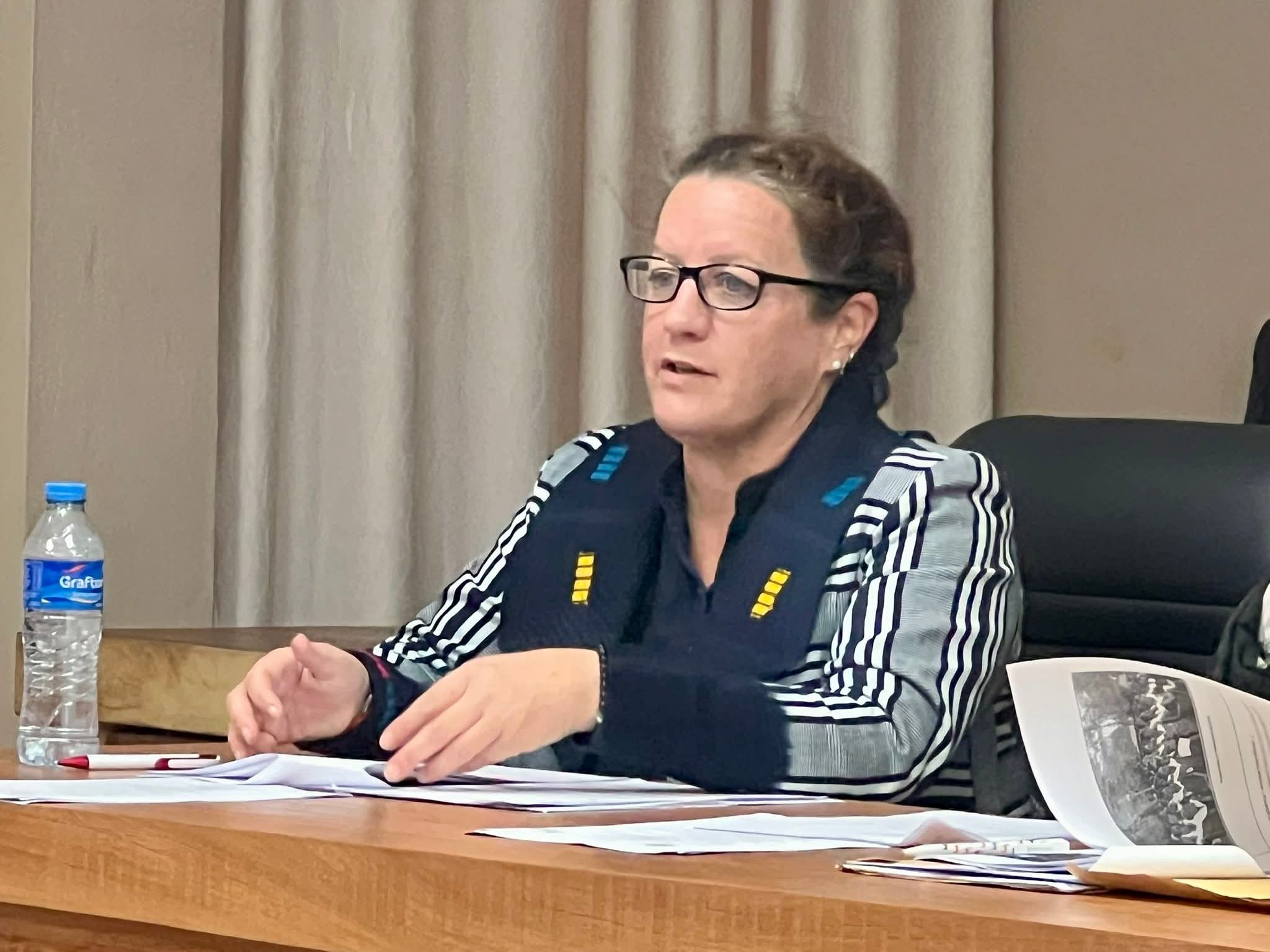
In her remarks, British High Commissioner Josephine Gauld reaffirmed the United Kingdom’s commitment to maintaining a strong and evolving partnership with Sierra Leone, noting that the UK’s future engagement would increasingly focus on leveraging private investment, strengthening institutions, supporting reform programmes, and unlocking financing opportunities through multilateral institutions and international development finance mechanisms.
Discussions during the roundtable examined several strategic areas, including investment readiness, energy and infrastructure financing, trade and private sector development, institutional capacity building, education, health, and broader cooperation through international and multilateral institutions.
The consultation forms part of ongoing efforts by both governments to define a more focused, results-oriented, and sustainable UK–Sierra Leone Partnership framework for the next three years, with emphasis on shared priorities, accountability, investment leverage, and long-term development impact.
The strategic engagement brought together senior government officials, including the Chief Minister, David Moinina Sengeh, Minister of Planning and Economic Development, Kenyeh Barlay, Deputy Minister of Finance, Kadiatu Allie, and a delegation from the British High Commission led by the British High Commissioner to Sierra Leone, Josephine Gauld.