

 Post a comment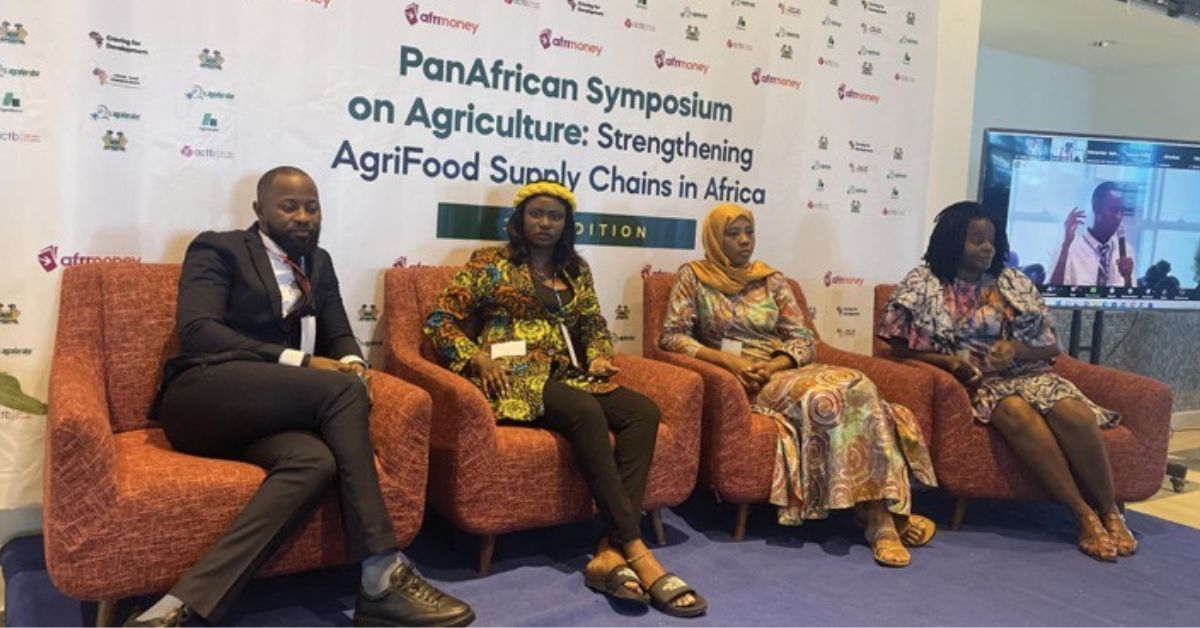
Africa’s agricultural challenge is frequently misdiagnosed as a problem of low productivity. Evidence from three editions of the Pan-African Symposium on Agriculture (PASA), convening experts and practitioners from 23 African countries, suggests instead that the core constraint lies in fragmented value chains, misaligned trade frameworks, and the systematic exclusion of informal market realities from policy and investment design.
This article synthesizes cross-regional insights from PASA to argue that Pan-African collaboration, when structured as a knowledge and coordination architecture rather than episodic dialogue, offers a viable pathway to aligning agriculture, trade, climate resilience, and livelihoods. The analysis highlights value retention failures, the centrality of informal cross-border trade, and the need to reconcile AfCFTA implementation with live market systems.
“Across three editions, PASA engaged stakeholders from 23 African countries, spanning public policy, agribusiness, farmer organizations, ecosystem builders, and development institutions, enabling comparative analysis across regions and value chains.”
Methodological Note:
This article synthesizes insights from three editions of the Pan-African Symposium on Agriculture (PASA), convened between 2020 and 2022, engaging practitioners, policymakers, and ecosystem actors from 23 African countries. Insights came from practitioners actively operating in value chains. Rather than reporting on individual panels, findings were triangulated across editions using symposium reports, synthesis notes, and recurring thematic patterns to identify structural constraints and systems-level insights across African agri-value chains.
Insights presented here reflect cumulative learning across editions, allowing analysis to compound rather than reset with each convening.
1. Reframing Africa’s Agricultural Challenge
African agriculture is often approached through productivity-centric interventions: improved inputs, mechanization, and technology adoption. While these remain important, PASA findings across three editions indicate that production increases alone do not translate into durable income gains or economic transformation.
Across contexts, farmers and agribusinesses face similar structural constraints after harvest: weak aggregation systems, limited processing and packaging capacity, inadequate storage and logistics, fragmented market access, and limited linkage to regional trade channels. These constraints systematically erode value before products reach end markets. The result is a persistent paradox: high agricultural activity alongside low agricultural incomes.
This pattern suggests a systems failure rather than a sectoral one. The consistency of these constraints across 23 African countries suggests structural failure rather than context-specific inefficiency.
2. Value Chains: Where Value Is Lost, Not Created
Insights synthesized across PASA editions demonstrate that Africa’s agricultural economies lose value primarily between production and consumption. Processing and packaging emerged as consistent bottlenecks, constraining local value retention and reinforcing dependence on imported finished goods.
The persistence of raw commodity exports is not attributable to lack of technical knowledge. Rather, it reflects misaligned capital, fragmented regional markets, regulatory barriers, and standard regimes that disadvantage small and medium processors. Without coordinated value-chain architecture, productivity gains continue to leak out of local economies.
Pan-African collaboration proved essential in identifying these shared bottlenecks. National-level analyses often obscure such patterns; continental dialogue and collaboration make them visible.
By its third edition, PASA had generated comparative intelligence across regions, informing value-chain design, policy dialogue, and investment logic beyond the symposium itself.
3. Informal Systems as Structural Reality
A central contribution of PASA has been the reframing of informality. Informal traders, particularly women, constitute the backbone of food distribution and cross-border trade across Africa. These actors navigate complex ecosystems of trust, language, border regimes, and price volatility daily, often more effectively than formal mechanisms.
Yet policy frameworks routinely treat informality as a transitional problem rather than a dominant system. This disconnect undermines trade policy effectiveness and limits the inclusivity of regional integration efforts. PASA discussions consistently highlighted that informality is not the absence of order but an alternative form of market organization.
Effective agricultural and trade reform requires engaging informal systems as sources of intelligence and integration, not merely as targets for formalization.
4. AfCFTA and the Lived Complexity of Trade
The African Continental Free Trade Area (AfCFTA) represents a landmark commitment to regional economic integration. However, PASA insights reveal significant tension between AfCFTA’s formal trade architecture and the realities of cross-border commerce.
Standards, certification, tariffs, and border procedures, while necessary, can unintentionally exclude small traders and enterprises if implemented without contextual sensitivity. Informal cross-border trade already functions as Africa’s most active integration mechanism, yet remains largely invisible in trade negotiations and implementation strategies.
PASA findings suggest that reconciliation, rather than replacement, is required. Progressive compliance pathways, differentiated standards, and trader-responsive border reforms are more likely to strengthen regional trade than rigid formalization mandates.
5. Climate, Agroecology, and Livelihood Stability
Climate variability emerged across PASA editions as a central stressor on agricultural livelihoods and a significant driver of migration. Discussions moved beyond polarized debates on agroecology versus modernization, revealing widespread adoption of hybrid practices by practitioners.
Agroecological approaches, when integrated with enterprise development and market access, function as resilience mechanisms rather than ideological alternatives. Conversely, climate adaptation initiatives detached from economic pathways showed limited impact on livelihood stability.
The evidence suggests that climate resilience must be embedded within broader community and market systems to deliver durable outcomes.
6. From Convening to Systems Architecture
By its third edition, PASA evolved from a symposium into knowledge architecture. The accumulated learning underscored the need for platforms that move beyond dialogue to enable coordination across policy, markets, and investment.
Pan-African collaboration, when sustained, supports:
● Trade pipeline development grounded in real value chains
● Policy–market alignment informed by practice
● Investment logic anchored in regional realities rather than projections
Such platforms offer a mechanism for translating continental ambition into operational coherence.
Conclusion
Africa’s agricultural transformation will not be achieved through fragmented interventions or abstract policy ambition. It requires systems that connect production to markets, formal frameworks to informal realities, and national strategies to regional trade dynamics.
Evidence from three editions of PASA demonstrates that Pan-African collaboration, when treated as infrastructure, can generate the shared intelligence necessary for such systems reform. The challenge ahead lies in aligning existing knowledge, markets, and institutions into coherent architectures capable of sustaining inclusive growth.


