

 Post a comment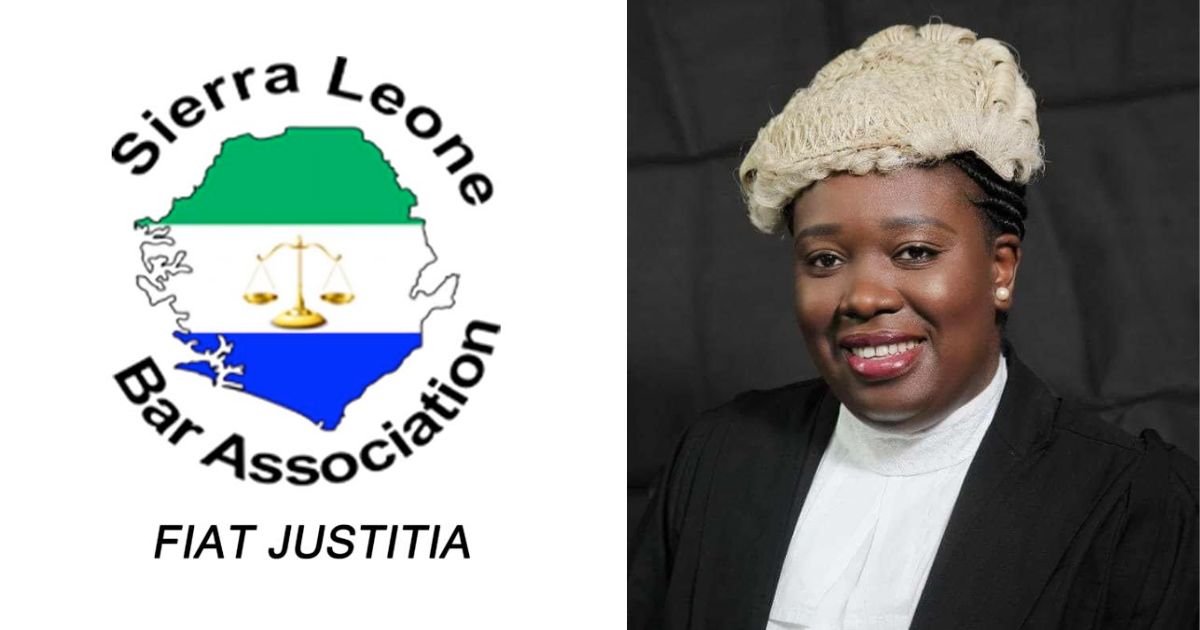
The Sierra Leone Bar Association is facing growing public criticism following the circulation of a promotional flyer for an event branded “The Barrister’s All White Beach Party,” scheduled for April 18, 2026, at Sugarland Beach.
What may have been intended as a harmless social gathering among legal professionals has instead triggered a sharp national conversation about institutional priorities, public image, and the dignity of the country’s foremost legal body. Across public spaces and legal circles, many are now questioning whether the Association is gradually allowing its public identity to drift from principled legal leadership toward beachside spectacle and social drama.
The controversy stems not merely from the event itself, but from the symbolism attached to it. As the umbrella body of legal practitioners in Sierra Leone, the Bar Association is widely regarded as the conscience of the legal profession, a stabilizing voice in moments of constitutional uncertainty, and a moral force expected to uphold the rule of law, judicial independence, human rights, and democratic accountability.
Against that solemn mandate, critics argue that the optics of prominently promoting a lavish beach fiesta sends a troubling message at a time when Sierra Leone continues to grapple with pressing national concerns, including constitutional interpretation, governance controversies, judicial credibility, electoral reforms, institutional accountability, and persistent public demands for legal clarity on matters of national importance.
For many citizens, the issue goes far beyond a recreational event. The larger concern lies in what the messaging appears to communicate about the direction, seriousness, and public-facing posture of an institution traditionally expected to lead national legal discourse.
Particularly controversial is the phrase boldly inscribed on the flyer: “Ditching the briefs for bikini bottoms.” The slogan has fueled widespread backlash, with some members of the public and legal commentators describing it as deeply unbecoming of a professional Association whose members are entrusted with defending justice and shaping constitutional thought.
Several critics argue that the flyer creates the perception that the Bar is increasingly leaning toward theatrics, entertainment, and elite social pageantry rather than projecting the intellectual leadership expected on key national issues. While many acknowledge that lawyers, like all professionals, deserve moments of leisure, they insist that such activities should never overshadow the Bar’s more urgent responsibility to defend legality, provide principled national guidance, and speak with authority on matters affecting the justice system.
The backlash has also reignited wider frustration over what some perceive as the increasing silence of major professional institutions on issues of national consequence. In recent months, public expectations have remained high for stronger legal interventions and more visible guidance from the Bar Association on governance, accountability, judicial integrity, and the protection of constitutional norms.
Against that backdrop, the prominence being given to a beach-themed social event has been interpreted by critics as a troubling reduction of institutional seriousness one that risks diminishing the prestige, moral weight, and public confidence long associated with the legal profession.
The resulting debate has further raised questions about whether the Association’s current public posture truly reflects the spirit of its own guiding motto, “Fiat Justitia” let justice be done. For many Sierra Leoneans, the current optics symbolically suggest a worrying shift: from a body expected to speak forcefully on pressing national legal matters to one increasingly visible through festive branding and social spectacle.
Legal observers warn that such symbolism, if left unchecked, could amount to a reputational setback and a major public relations embarrassment for an institution whose authority depends heavily on public trust, moral seriousness, and constitutional credibility.
Whether intended as fellowship, morale-building, or simple networking among members, the controversy surrounding the planned beach fiesta has exposed deeper concerns about image management, timing, and responsibility. For many, the central issue is not the social event itself, but the perception of a professional body appearing louder in beachside celebration than in the defence of urgent national legal issues.
For a body of such national significance, many believe this moment should serve as a wake-up call one that demands a return to visible legal leadership on the issues that matter most to the country, rather than allowing beach fiesta glamour to dominate the public conversation.
For many Sierra Leoneans watching closely, the question remains stark: Should the nation’s highest legal professional body be leading public legal thought on national issues, or becoming known for beachside drama and festive optics?
That, critics say, is a question the Bar Association can no longer afford to ignore.


