

 1 Comment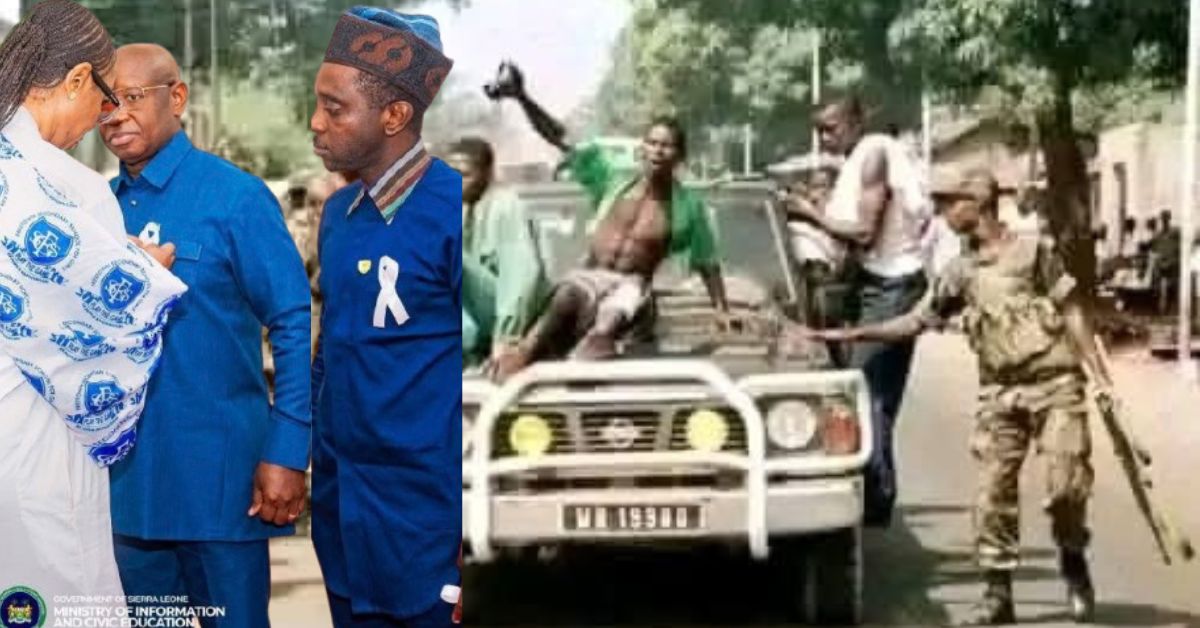
More than twenty years after the end of Sierra Leone’s civil war, the physical violence may have ceased, but its human consequences remain deeply embedded in the lives of survivors. The conflict that raged from 1991 to 2002 left tens of thousands dead and many more injured, displaced, traumatised, or socially broken.
As the country observes its first National Remembrance Day and a week-long commemoration in January 2026, the moment invites not only reflection on the past but a serious interrogation of the present condition of those who survived the war. The central concern is whether national remembrance will finally translate into material support and dignity for survivors, or whether it will merely reopen wounds that have long been ignored.
In the immediate aftermath of the war, Sierra Leone’s Truth and Reconciliation Commission provided a clear roadmap for national healing. Its recommendations emphasised reparations, psychosocial support, healthcare, education, and economic reintegration for survivors. While some initiatives were implemented during the early post-war period, they were limited, inconsistent, and underfunded.
Over time, survivor welfare steadily disappeared from national priorities. Many former combatants, amputees, widows, victims of sexual violence, and those forcibly recruited as children were left to navigate post-war life without sustained institutional support. As the years passed, survivors aged into deeper poverty, their health deteriorated, and many died without ever receiving meaningful redress or recognition from the state.
This long-standing neglect has produced a quiet humanitarian crisis. Large numbers of war survivors today live in extreme economic hardship, unable to access adequate healthcare, employment, or social protection. Physical disabilities remain untreated, psychological trauma unaddressed, and social stigma widespread.
The national narrative of post-war recovery and stability often obscures these realities, creating a disconnect between the image of peace and the lived experience of those who paid its highest price. It is within this context that the introduction of a National Remembrance Day must be evaluated, not as a symbolic gesture alone, but as a moral and political test.
Commemoration, when thoughtfully designed, can play a constructive role in repairing this broken relationship between the state and survivors. It has the potential to re-centre survivor experiences within national consciousness, reopen policy discussions around unfinished obligations, and generate renewed public and donor attention to their economic and social needs.
In many societies, remembrance has served as a catalyst for restorative action, linking memory to practical interventions such as livelihood support, healthcare access, and community-based reconciliation. If Sierra Leone’s commemoration is tied to such outcomes, it could become a platform for economic inclusion and social repair rather than a purely ceremonial exercise.
At the same time, the economic meaning of commemoration for survivors remains uncertain. For individuals struggling to meet basic needs, national ceremonies, speeches, and symbolic acts may offer recognition but no relief. Without accompanying measures that improve daily living conditions, remembrance risks becoming performative.
It may unintentionally deepen feelings of abandonment by reminding survivors of their suffering while leaving the material causes of that suffering intact. In such circumstances, commemoration can be experienced not as healing, but as an emotional burden imposed without consent or support.
This raises a critical ethical question: is it just to ask survivors to remember their trauma when the state has yet to fulfil its obligations to them? Remembrance that is disconnected from justice and economic repair risks reducing survivors to historical symbols rather than living citizens with ongoing rights and needs. It risks closing a chapter in national memory while the consequences of that chapter continue to unfold in survivors’ lives.
Properly understood, national remembrance is not intended to glorify pain or entrench victimhood. Its deeper purpose is to transform memory into responsibility. It should challenge the nation to confront what remains unresolved, to acknowledge the cost of peace beyond political settlements, and to commit to concrete actions that prevent recurrence.
For Sierra Leone, this means using remembrance as an opportunity to reassess survivor welfare frameworks, revive stalled reparations commitments, and ensure that survivors themselves are central participants in shaping how their history is remembered and acted upon.
The true value of Sierra Leone’s National Remembrance Day will therefore not be measured by the solemnity of its ceremonies or the symbolism of its rituals. It will be measured by whether remembrance leads to renewed political will, tangible economic support, and sustained social care for those who have endured decades of neglect. Without such outcomes, remembrance risks becoming a retrospective exercise that comforts the national conscience while survivors continue to suffer quietly on the margins of society.
In the end, remembering the war should not mean trapping survivors in an “ugly past.” It should mean recognising that the past remains unfinished business. Only when remembrance is linked to dignity, economic inclusion, and justice can it serve as a bridge between memory and healing. Otherwise, it remains an echo of suffering rather than a step toward repair.


It would have been better if we can remember all military officers with their pictures displayed around cotton tree, parks and those officers can start from the late Ben Hirsch to the late Gen. Maxwell M. Kobe and even appreciate their families. It’s just a suggestion though it’s too late now. After God almighty these people laid their life and blood for our beloved country.