

Tonkolili’s 20% Royalties: Where Are the Billions Paid by Mining Companies?
 Richmond B. Tholley
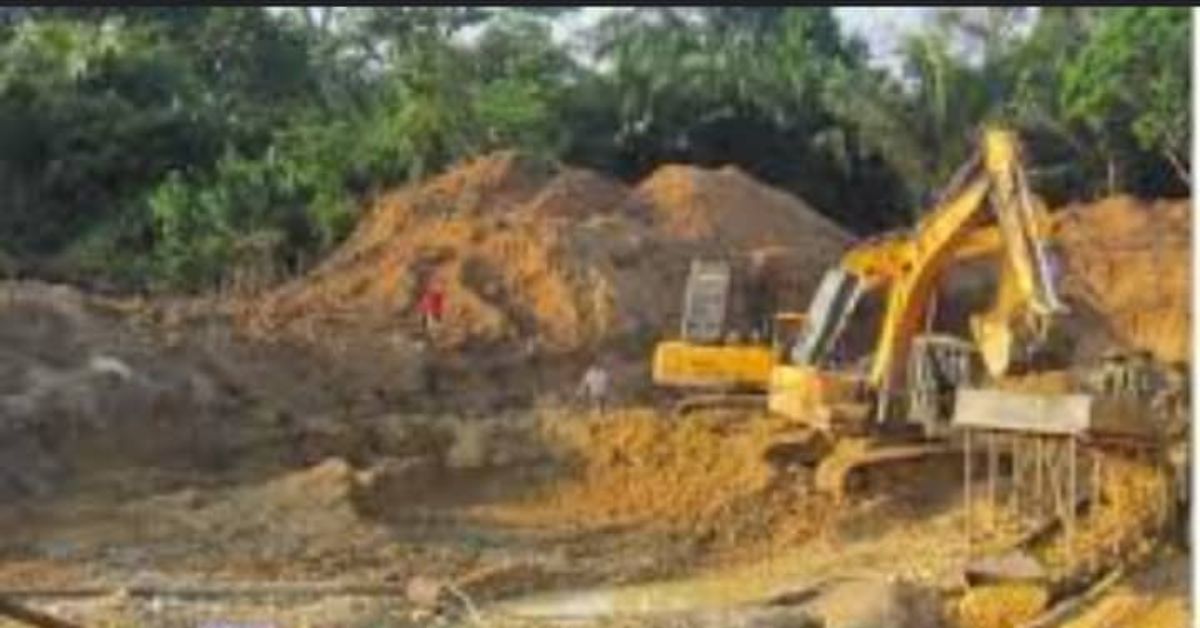
 In Tonkolili District, the sound of trucks from Leone Rock Metal Group and other mining companies can be heard from dawn to dusk. Iron ore is shipped daily from Bumbuna, Ferengbeya, and Simiria. The dust settles on our farms. The promises settle in our ears.
But the benefit has not settled in our communities.
Under the Mines and Minerals Act 2009, 20% of royalties paid by mining companies must go to the Local Council, where mining occurs. The law calls it the _Community Development Fund_. It is meant to build schools, clinics, water points, and feeder roads in the chiefdoms that carry the cost of mining.

In Tonkolili, the law exists. The money exists on paper. The results do not exist in Simiria, Kunike Barrina, Dasogoia, Sambaia, Kalanthuba, or Kafe.


The receipts are public. Public records from the Ministry of Finance and the National Minerals Agency show Tonkolili District Council received over Le 40 billion in surface rent and royalties between 2020 and 2024. Leone Rock Metal Group alone declared over 30 million tons of iron ore exported from Tonkolili in 2023-2024. That should translate to billions in local development funds.
Yet, walk through mining chiefdoms today, and the gap is clear. Feeder roads collapse every rainy season because there is no visible project register at the chiefdom level. Chiefs and citizens hear about projects after they are approved in Magburaka, if they hear at all, so no one on the ground can track what was promised. Contracts are awarded in district headquarters without contact with the communities. Contractors come and go, and when work stops, there is no one to answer. Reports go to Freetown in English, filed for Parliament and the Ministry of Finance, but they are never translated, never read in chiefdom meetings, never posted where people can see.
When people can not see what the 20% buy, they assume it is gone. And that assumption becomes “polistic talk” again.
Tonkolili can fix this by using the duty already in law. Section 27(6) of the Local Government Act 2004 requires councils to involve communities in planning and monitoring. Before work starts, councils should post a project board in every mining chiefdom with the project name, budget, contractor, timeline, and contact number in Krio and Temne. Council staff should meet Paramount Chiefs and elders every three months with receipts, photos, and progress reports, speaking plainly without jargon. Two youth and two women per chiefdom should be trained as community monitors to check if work matches the contract and report back to both the council and the chief.
Until then, _“Leone Rock and other mining companies are here”_ will only mean trucks, dust, and another “polistic talk.” And no chiefdom can develop on rumour.