APC Meets Moral Guarantors Over Stalled National Unity Agreement and Tripartite Process
 Aaron Parker
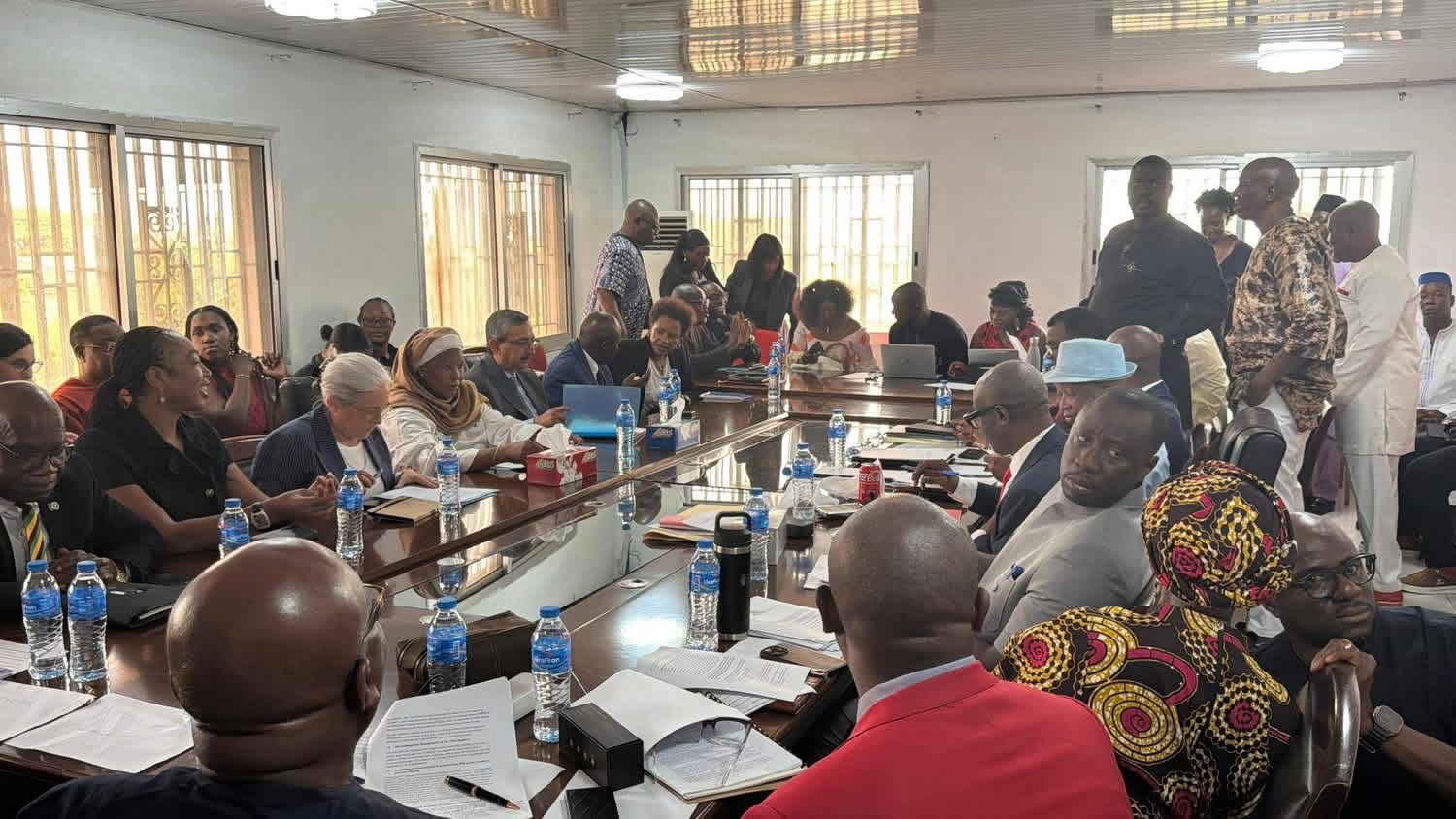
 The All People’s Congress (APC) has held renewed discussions with the Moral Guarantors of the Agreement for National Unity (ANU) and the Tripartite Committee process, amid growing concerns over delays and the implementation of key electoral reform recommendations in Sierra Leone.
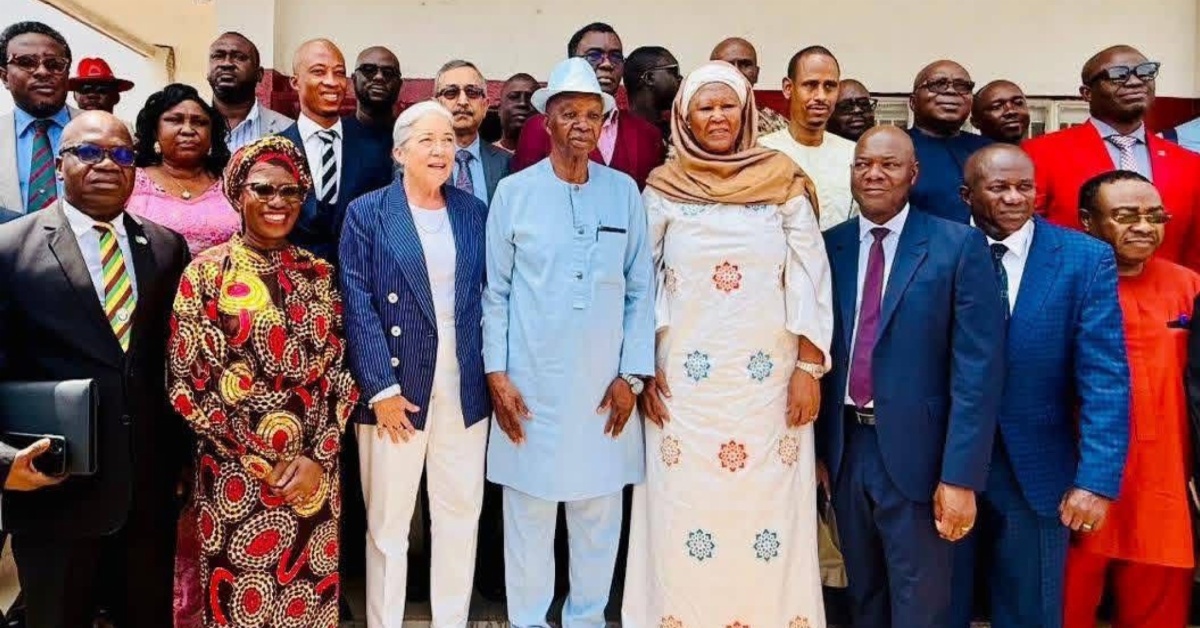
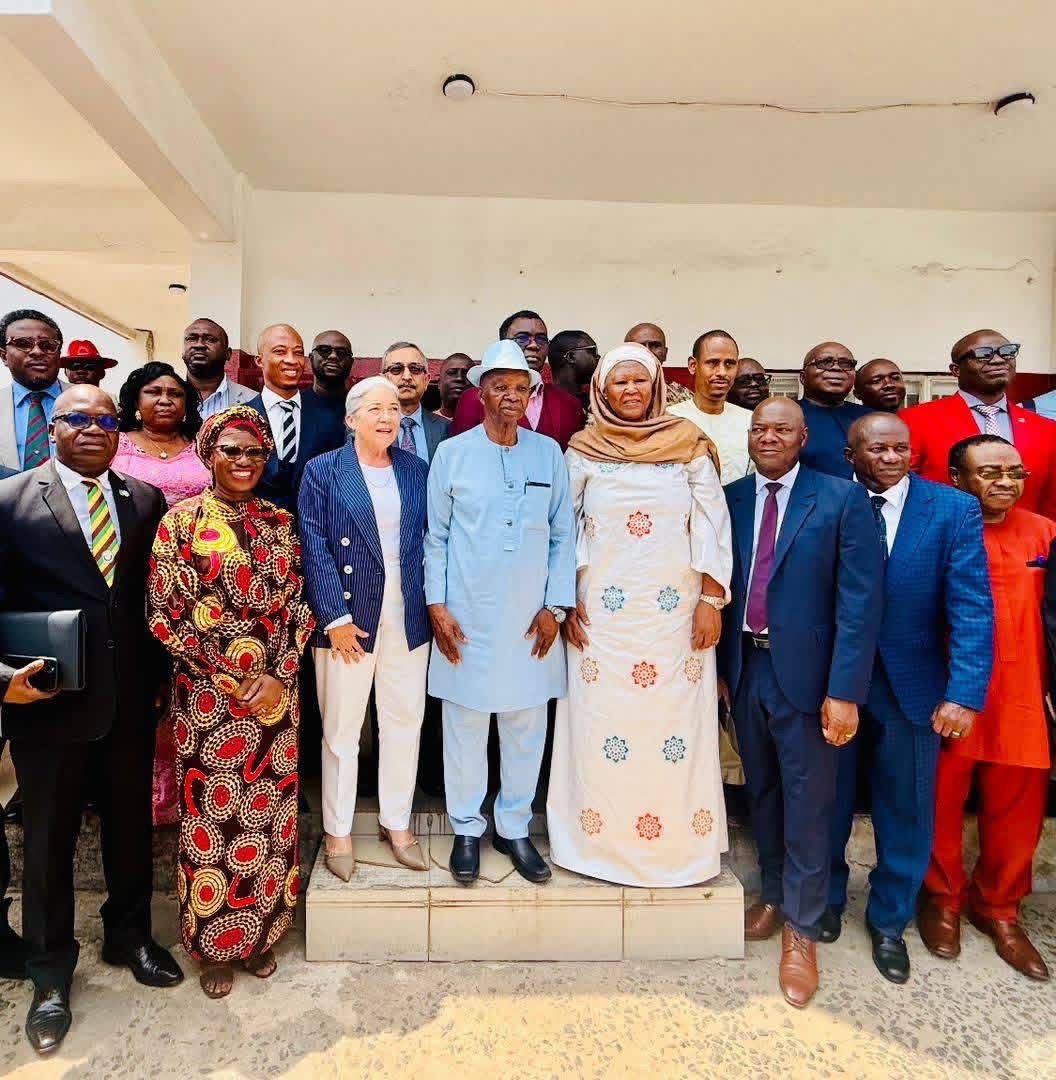
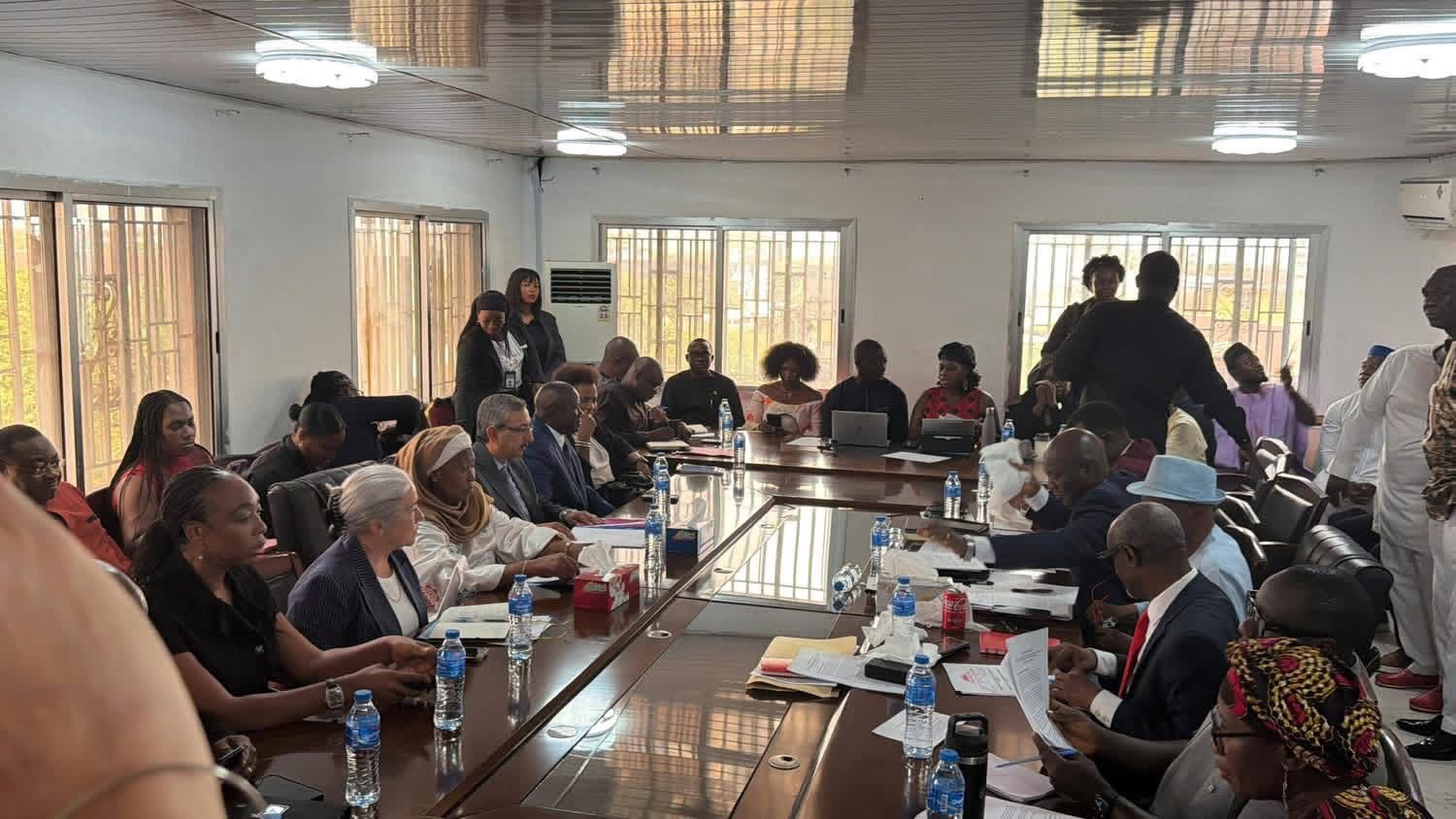
The high-level engagement brought together senior representatives of the APC and members of the Moral Guarantors’ mission in an effort to assess progress, address outstanding issues, and explore possible pathways toward restoring trust in the national dialogue framework.
Opening the discussions, APC National Secretary General, Lawyer Lansana Dumbuya, described the current stage of the ANU and Tripartite process as deeply troubling, warning that the initiative risked losing credibility if urgent corrective measures were not taken. He stated that the APC had engaged in the process in good faith following earlier interventions by the Moral Guarantors, but argued that implementation gaps had undermined confidence.


Dumbuya further referenced concerns over electoral credibility, institutional trust, and alleged setbacks in the execution of agreed recommendations, insisting that the process required decisive action to avoid complete breakdown.
Acting APC National Chairman, Ambassador Dr. Alhaji Osman Foday Yansaneh, traced the origins of the agreement to the post-2023 electoral dispute, which led to the establishment of the ANU and Tripartite Committee framework under Resolution 3. He noted that the APC had participated despite reservations, in the interest of national stability.
However, he expressed concern over what the party described as slow implementation, lack of transparency, and unilateral decisions by state institutions. He cited issues relating to electoral appointments and governance actions which, according to the APC, contradict the spirit of the agreement and its recommendations.
Ambassador Yansaneh also raised concerns about ongoing political tensions, including legal and administrative actions affecting opposition members, which the party believes are undermining reconciliation efforts.
APC Chief Negotiator, Dr. Kaifala Marrah, highlighted what he described as declining confidence in the reform process, pointing to challenges around electoral management, civil registry transparency, and the electoral system model ahead of the 2028 elections.
Leonard Balogun Koroma, who chairs the APC 2026 Census Committee, also raised concerns regarding delays in the national census, warning that reliance on outdated population data could affect future constituency delimitation and electoral fairness.
Other contributions from APC representatives focused on parliamentary representation, constitutional reform processes, and what they described as gaps in the implementation of Tripartite Committee recommendations.
Responding on behalf of the Moral Guarantors, H.E. Fatoumata Jallow Tambajang acknowledged the concerns raised and commended the APC for its engagement in the dialogue process. She noted that some of the issues presented were already under review and stressed the importance of continued participation from all stakeholders.

She described the ANU and Tripartite framework as a moral and political instrument designed to guide national reconciliation and reform, adding that its success depended on mutual trust, cooperation, and sustained commitment from all parties involved.
The Moral Guarantors assured that they would carefully review all submissions from both the APC and government stakeholders, with the aim of helping to bridge differences and support a common national position on outstanding issues.
Both parties agreed to reconvene on Thursday, 16 April 2026, in a smaller technical session focused on addressing priority concerns and advancing stalled aspects of the agreement.