

 Post a comment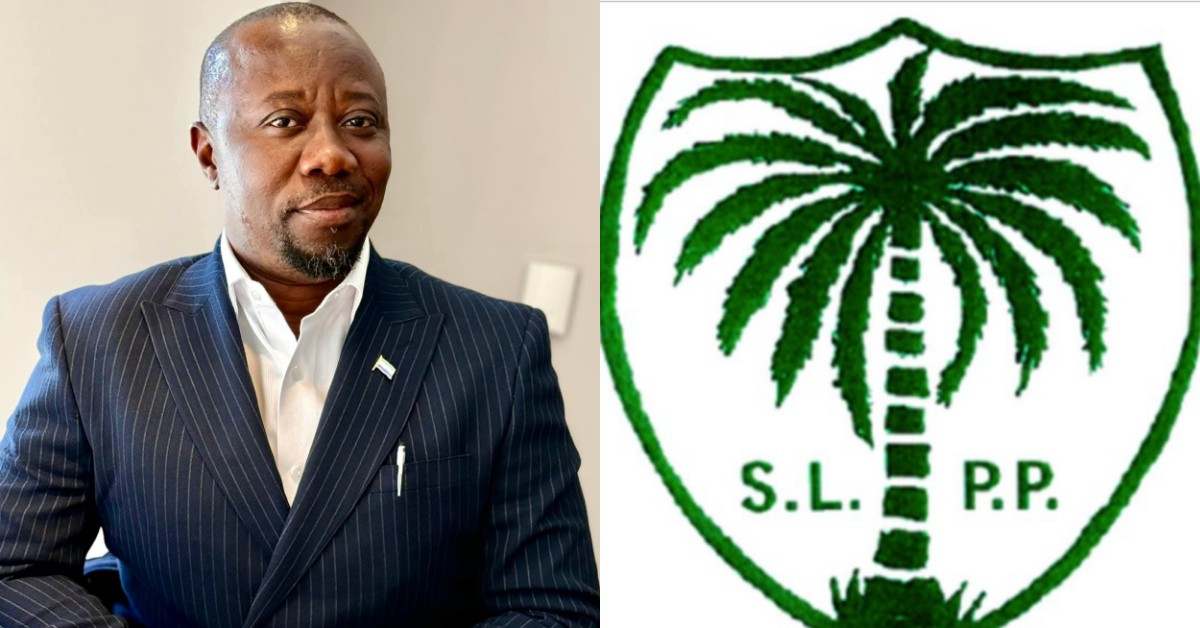
The Director of Communications at Sierra Leone’s State House, Myk Berewa, has come under public criticism following a Facebook post in which he projected a victory for the ruling Sierra Leone People’s Party (SLPP) in the 2028 general elections.
In the post, Berewa outlined electoral projections by district, identifying several areas in the south and east as strongholds for the SLPP. He described Kenema, Bo, Moyamba, Pujehun, Bonthe and Kailahun as “solid green zones,” while naming Kono, Karene and Kambia as “purple zones,” suggesting they were districts the party could easily win.
Berewa further stated that the SLPP could only lose the next election if a splinter party emerged from within its ranks, a scenario he dismissed as unlikely, saying, “never again.”
The post, however, sparked backlash from some social media users, including residents of districts Berewa identified as SLPP strongholds. Several commenters expressed frustration with the party’s performance, with one individual openly disagreeing with Berewa’s assessment. In response, Berewa remarked that the district in question would prefer what he described as the “worst SLPP” over the opposition All People’s Congress (APC).
That response intensified the debate online, prompting further criticism from other citizens. Young lawyer and human rights activist, Mamoud Bah, urged voters to make careful decisions in the next election. “To the people of Sierra Leone, please vote wisely in the next election,” Bah wrote, reacting to Berewa’s post. He accused Berewa and the current government of prioritising their own interests over those of ordinary citizens, adding, “Nothing they do is in our interest.”
The exchange comes at a time when Sierra Leone continues to face serious economic challenges. Rising living costs, high unemployment, and declining purchasing power have placed massive strain on households across the country. Many citizens say these economic hardships are affecting access to basic needs such as food, healthcare and education, fueling public dissatisfaction and intensifying scrutiny of political leaders as the nation looks ahead to future elections.


