
HRCSL Engages ECOWAS Court of Justice to Strengthen Partnership and Judicial Cooperation
 Sia Lucy Kannah
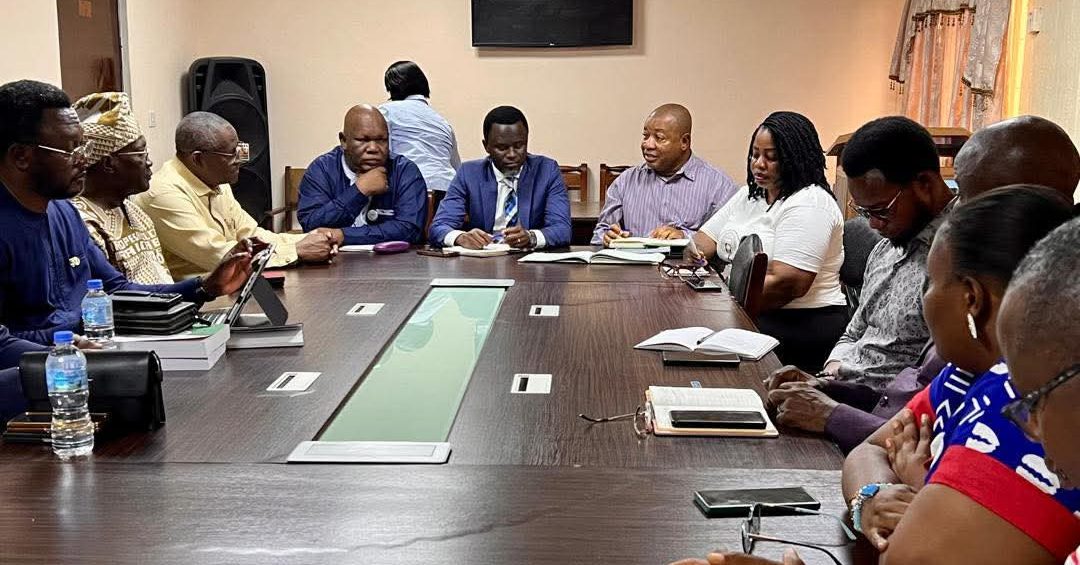
 The Human Rights Commission of Sierra Leone (HRCSL) has held a high-level engagement with a delegation from the ECOWAS Court of Justice, led by its President, Hon. Justice Ricardo Claúdio Monteiro Gonçalves.
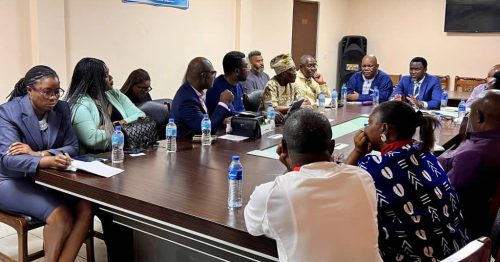
The meeting, held at the Commission’s headquarters at Tower Hill in Freetown, focused on fostering partnership and cooperation between the two institutions, particularly regarding the operations of the Court, the enforcement of its judgments, and the human rights oversight role of the Commission.
Vice Chairperson, Victor Idrissa Lansana Esq., who led the discussions on behalf of the Commission, started by noting that the Commission and the Court have a similar mandate to protect and promote human rights as a quasi-judicial body and a full-blown judicial body, respectively.



He emphasised the Commission’s desire to become a key player in supporting the Court’s human rights work, especially when it involves matters relating to Sierra Leone.
Speaking on behalf of his President and the delegation, the Vice President of the Court, Honourable Justice Sengu Koroma, expressed great delight in meeting with the Commission and emphasized that the Court is committed to the delivery of justice and the protection of human rights.
Mr. Apraku Nketiah, Head of Legal Services and Research, provided insight into the Court’s evolution from settling interstate disputes to incorporating human rights jurisdiction. He explained the importance of collaboration with national institutions like HRCSL in ensuring effective advocacy, sensitisation, enforcement of judgments, and representation.
Mr. Nketiah highlighted that once judgments are delivered, enforcement lies within the jurisdiction of the concerned member states and not the Court, making partnerships with national institutions crucial.
He agreed that judgments are meant to be executed, save for those that are declaratory, and therefore stressed the need for support from national bodies to ensure compliance and promote human rights across the region.
The President of the Court explained that the challenge in the execution of judgments borders on the courage or lack thereof of States to comply with the orders of the Court. On the work of the Commission, the President was keen on understanding the relationship between the Commission and the central government and the approval of budgetary allocation to the Commission.
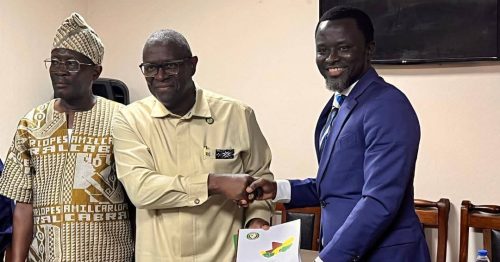
Both institutions committed to a strengthened partnership and collaboration for the good of human rights protection and promotion in the sub region.
Nonse commission, allow the court to do there work please government of Sierra Leone taken disadvantaged of it citizen no commission had a single word