


 Post a comment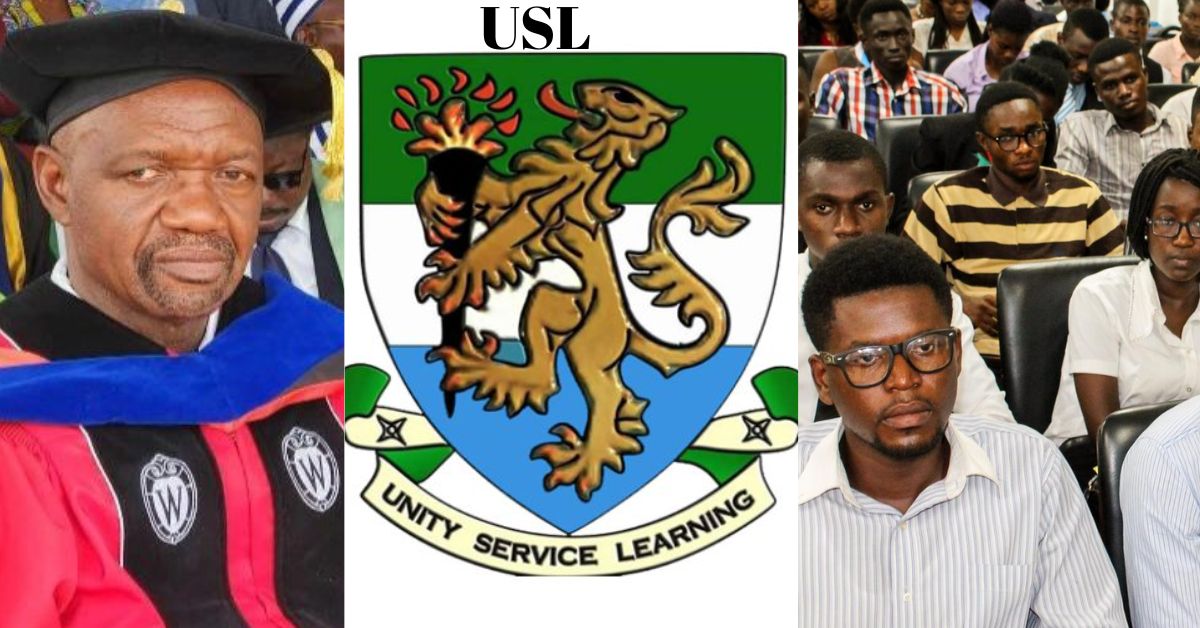
The Vice Chancellor and Principal of the University of Sierra Leone (USL), Professor Aiah Lebbie, has issued a sweeping directive officially ending the long-standing practice of appointing Class Representatives across all campuses and faculties.
The announcement was made during a recent meeting of the Executive Committee of the Senate, where Professor Lebbie declared that “effective immediately, the practice of appointing Class Representatives is hereby discontinued. On no account are lecturers to appoint Class Representatives or delegate any formal functions to them.”
According to the Vice Chancellor, the decision follows a series of troubling reports and complaints concerning the conduct of some Class Representatives, who were accused of engaging in acts of extortion, corruption, intimidation, and exploitation of fellow students.

“These behaviours are completely at odds with the values and ethics the University stands for,” Professor Lebbie emphasized, noting that management had no choice but to act decisively to restore discipline and integrity in student engagement. He further directed all Deans and Heads of Departments to ensure strict compliance with the new policy and to take responsibility for monitoring adherence across their respective colleges and faculties.
The directive underscores the University’s renewed commitment to its core values of transparency, fairness, accountability, and academic integrity. By removing the Class Representative structure, management hopes to minimize opportunities for abuse of authority and ensure a more equitable system of communication between students and faculty.
While the decision has sparked debate among students some expressing concern over how information will now be coordinated between classes and lecturers University authorities maintain that new mechanisms will be developed to ensure effective communication and representation without compromising ethical standards.
This marks a significant shift in the University of Sierra Leone’s internal governance and student relations framework, signalling a strong stance against misconduct and a renewed focus on professionalism within the academic community.


