
Activist Trevor Young Arrested Over Alleged Cybercrime Against Police
 Aaron Parker
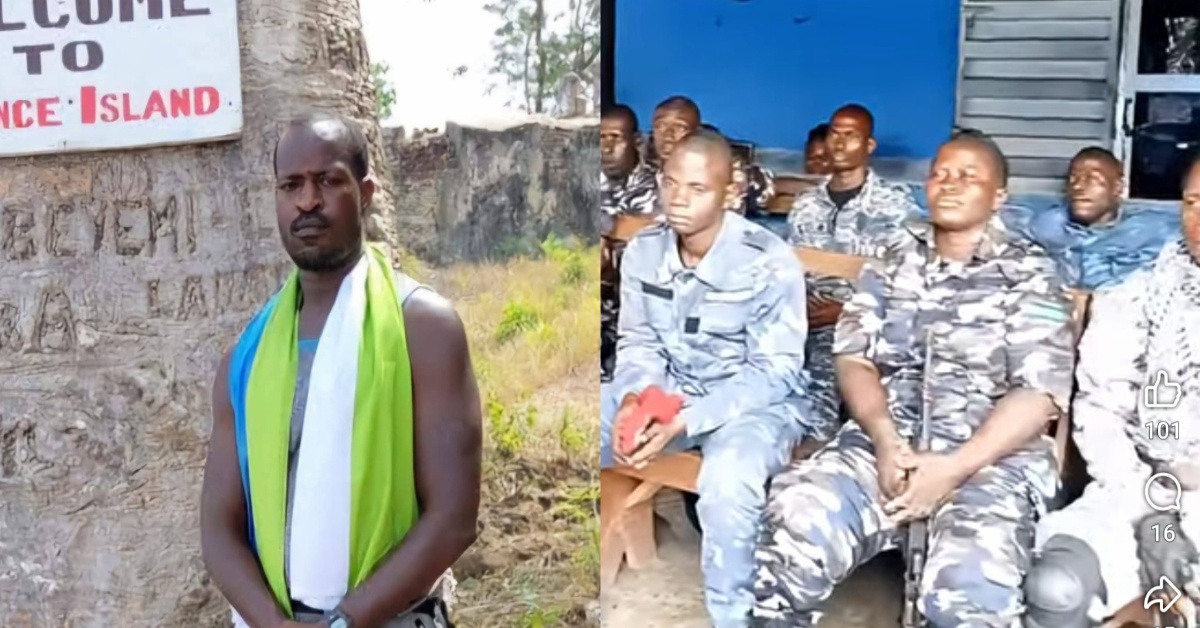
 Sierra Leonean activist Trevor Young was arrested and briefly detained by the Congo Cross Police, then transferred to the Criminal Investigation Department (CID) Cybercrime Unit, over allegations of cyberbullying and cyberstalking of the Sierra Leone Police.
Young, who was released on January 8, described the incident as stemming from a video he created documenting his real-life experiences during a police stop in Freetown. In the video, a woman interviewed by Young also shared her own encounter with the police in the Aberdeen area.
According to Young, the video was peacefully produced and contained verbal descriptions of their experiences without incitement. Despite this, the activist was charged under the cybercrime laws.

In a statement, Young raised concerns about the scope and clarity of Sierra Leone’s cybercrime legislation, noting that ordinary citizens could be at risk of criminal charges for describing personal experiences, sharing stories, or holding public institutions accountable online.

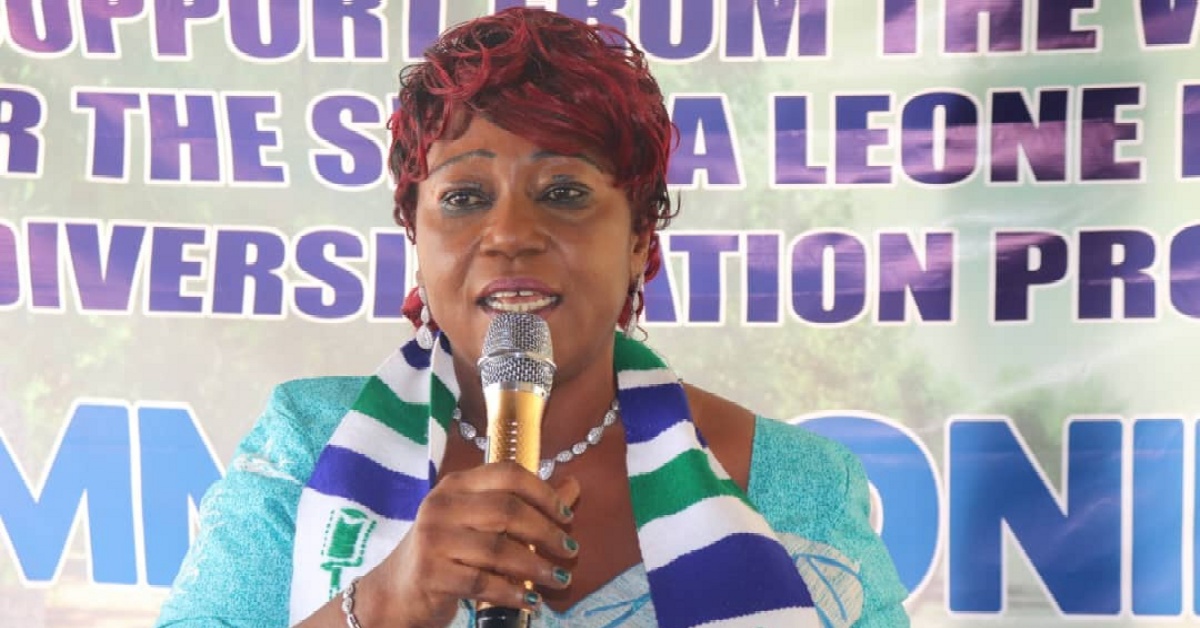
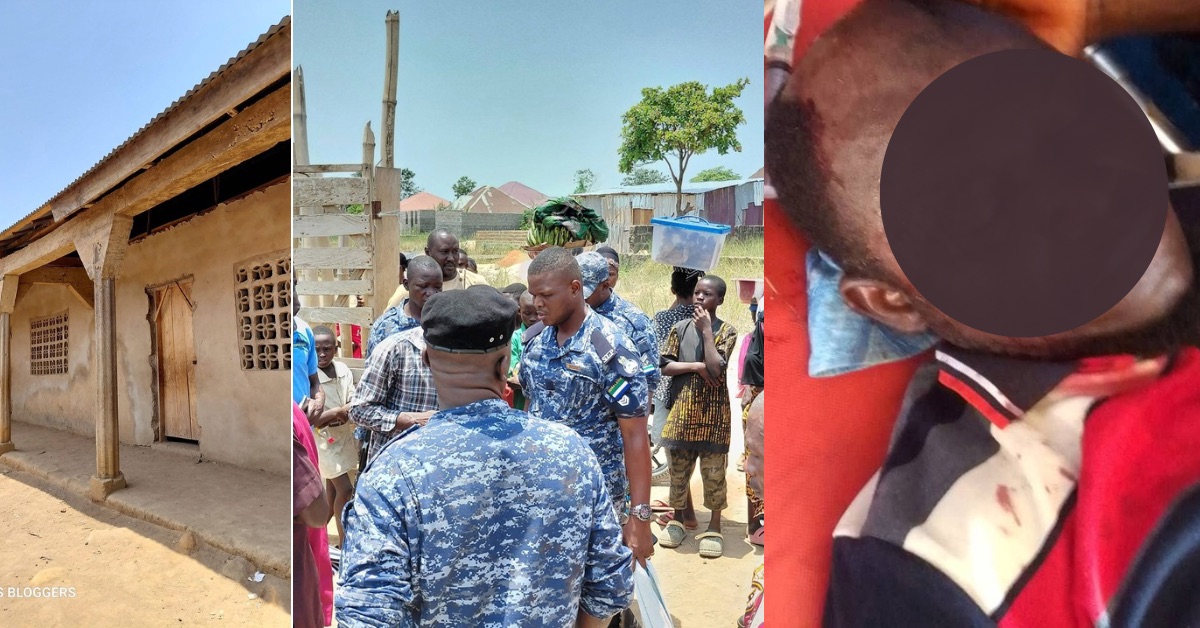
“Describing your experience can be considered a cybercrime. Sharing your story can be labeled cyberbullying. Holding a public institution accountable can be labeled cyberstalking,” Young said. He emphasized that the case raises serious questions about freedom of expression, press freedom, and the rights of citizens to speak openly about their interactions with state institutions.
Young thanked those who reached out in support of his release and acknowledged the professionalism of the CID officers. He stated that the matter extends beyond his personal experience, noting: “This matter is bigger than me… it is about whether telling the truth has now become a crime.”
The case highlights ongoing debates in Sierra Leone regarding the balance between cybercrime enforcement and citizens’ rights to document and discuss experiences with public authorities.