

Soldiers Killing Soldiers: A National Call for Concern
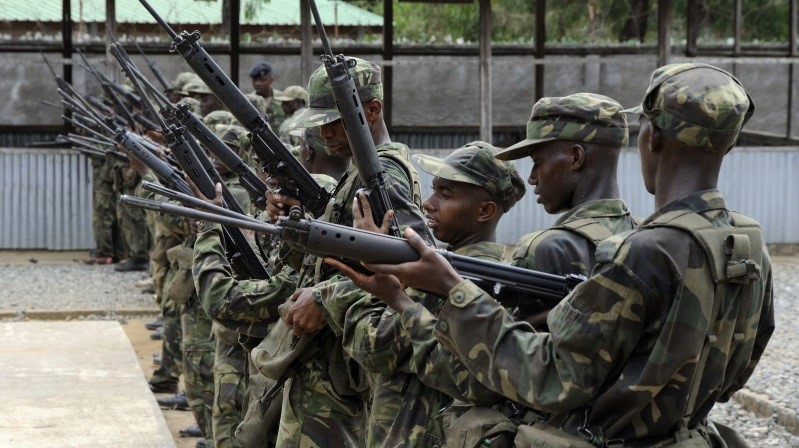
Recent reports of soldiers killing fellow soldiers in Sierra Leone have raised deep concerns across the nation. While the military is expected to be a symbol of discipline, unity, and national security, incidents of internal violence within its ranks send troubling signals to civilians whose safety depends largely on the armed forces.
The Sierra Leone Armed Forces (RSLAF) has, since the end of the civil war, worked to rebuild its image as a professional and apolitical institution. However, cases of soldiers turning their weapons on one another threaten to undermine public confidence and reopen painful memories of a past many Sierra Leoneans would rather forget.
When soldiers kill soldiers, it raises critical questions: What led to such violence? Were these acts a result of personal disputes, poor command structures, lack of discipline, mental health challenges, or deeper systemic problems within the military? Most importantly, if soldiers cannot ensure peace among themselves, how safe are unarmed civilians?

Civilians rely on the military as a last line of defense in times of crisis. Internal conflicts within the armed forces create fear that weapons meant to protect the nation could be misused, either intentionally or accidentally, against innocent citizens. Even isolated incidents can have far-reaching consequences, including increased mistrust, fear, and insecurity in communities.
Furthermore, soldiers involved in violent confrontations among themselves may be operating under extreme stress, poor welfare conditions, or inadequate support systems. If these issues are not addressed promptly, the risk of spill over into civilian spaces cannot be ignored. History has shown that explaining away such incidents can be dangerous.
The government and military leadership must act decisively. Transparent investigations, swift justice, and clear communication with the public are essential. Silence or vague explanations only fuel rumours and panic. At the same time, there must be renewed focus on discipline, command responsibility, mental health support, and improved living and working conditions for soldiers.
Civil society, the media, and human rights organisations also have a role to play. Responsible reporting, public dialogue, and constructive criticism can help ensure accountability without inciting fear or hostility toward the armed forces as a whole.
Sierra Leone has made significant progress in maintaining peace since the end of the civil war. That peace must not be taken for granted. Soldiers killing soldiers is not just a military issue—it is a national security concern that directly affects every civilian.
The safety of civilians depends on a disciplined, united, and professional military. Anything less puts the entire nation at risk.