

Chief Minister Sengeh Confirms Progress on National Unity Agreement, Urges APC to Engage in Parliament
 Sahid Bangura
 The Chief Minister of Sierra Leone, Dr. David Moinina Sengeh, has said the government has implemented “nearly 100 percent” of the Agreement for National Unity (ANU) and is accelerating reforms aimed at strengthening political governance and state institutions.
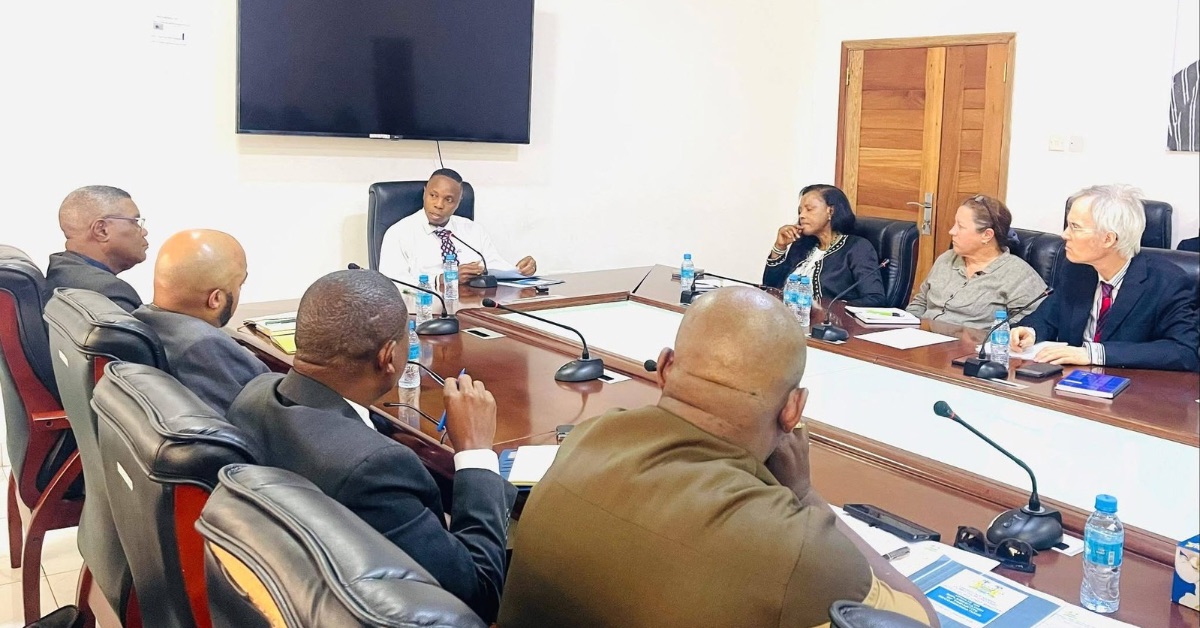
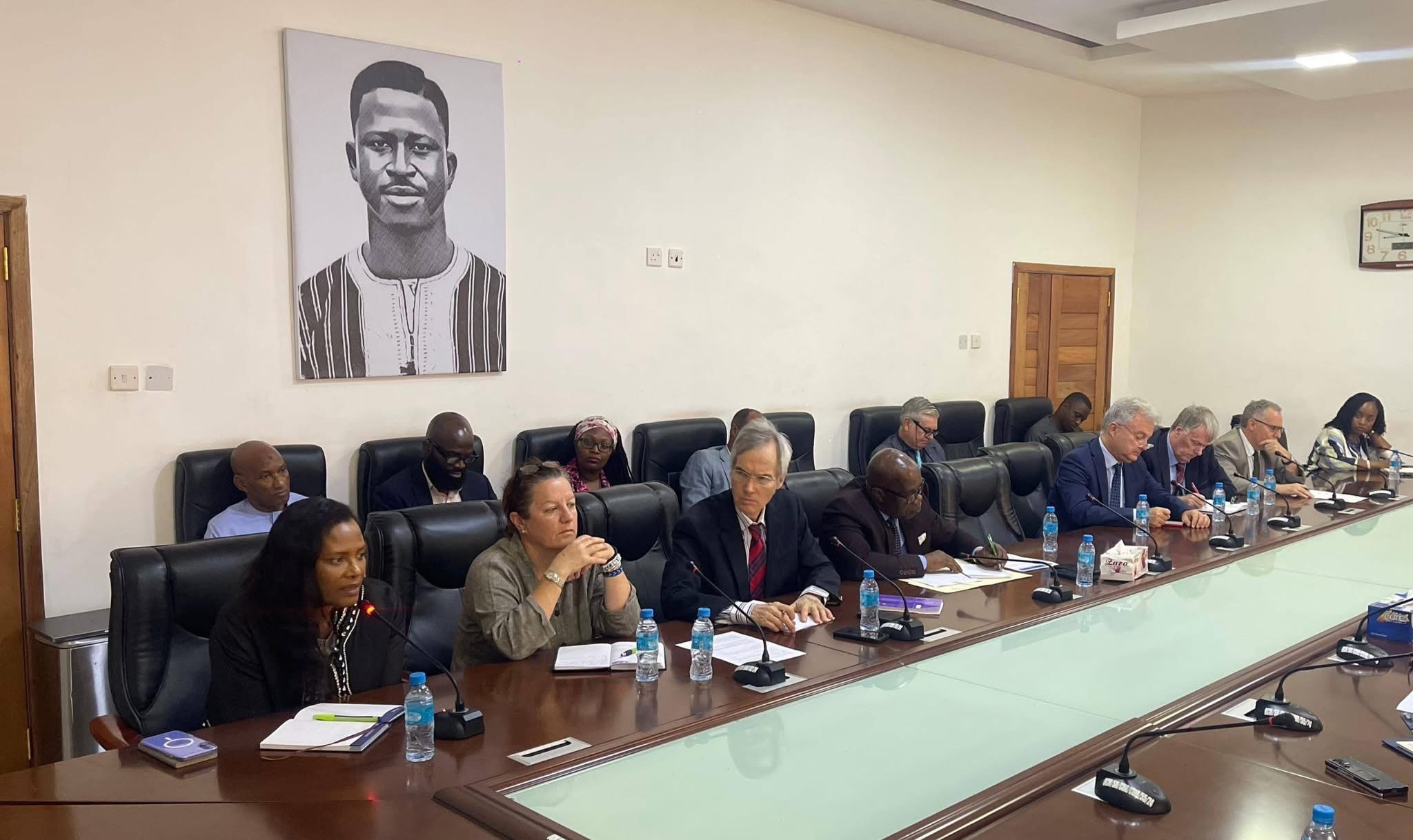
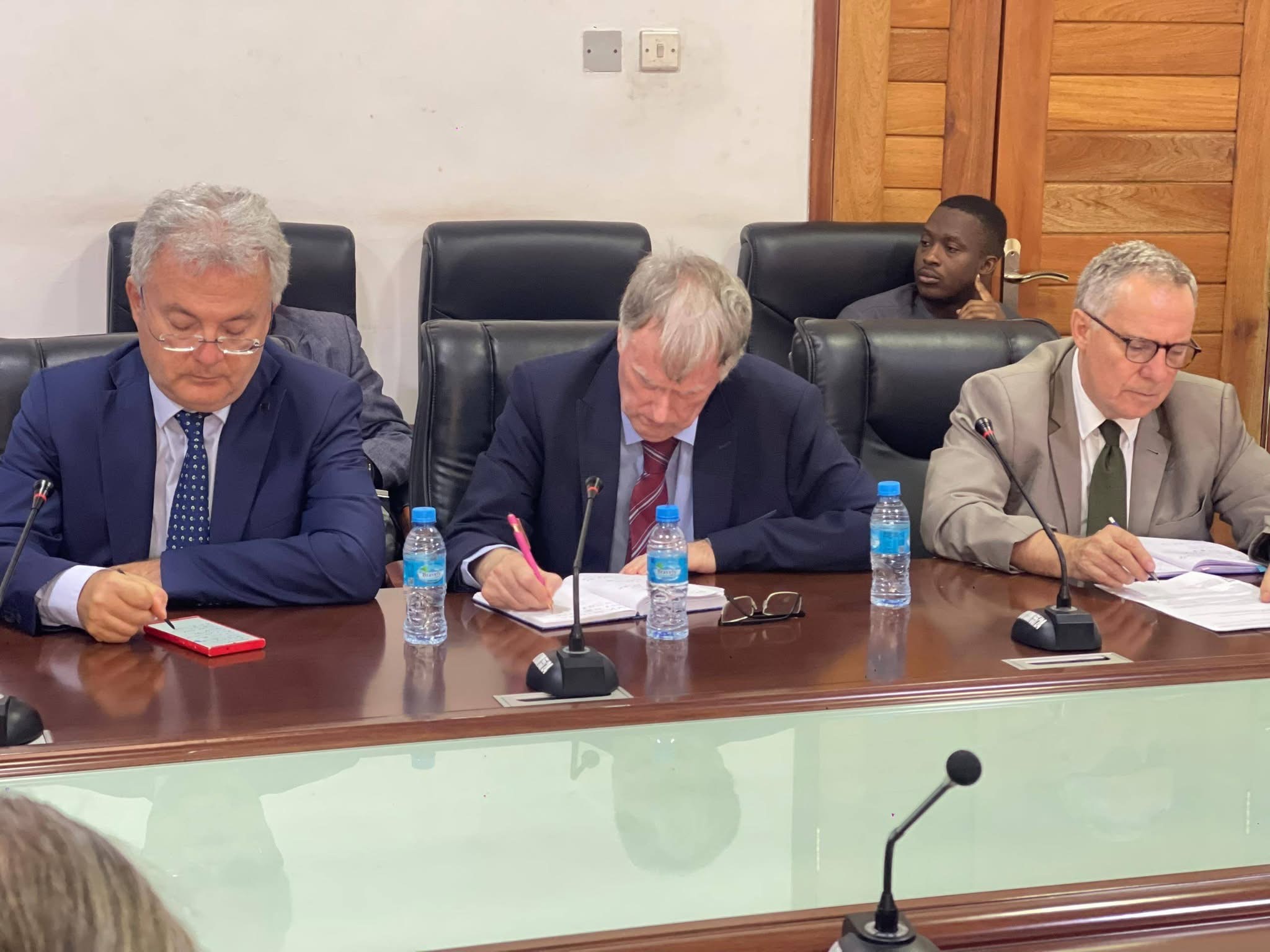
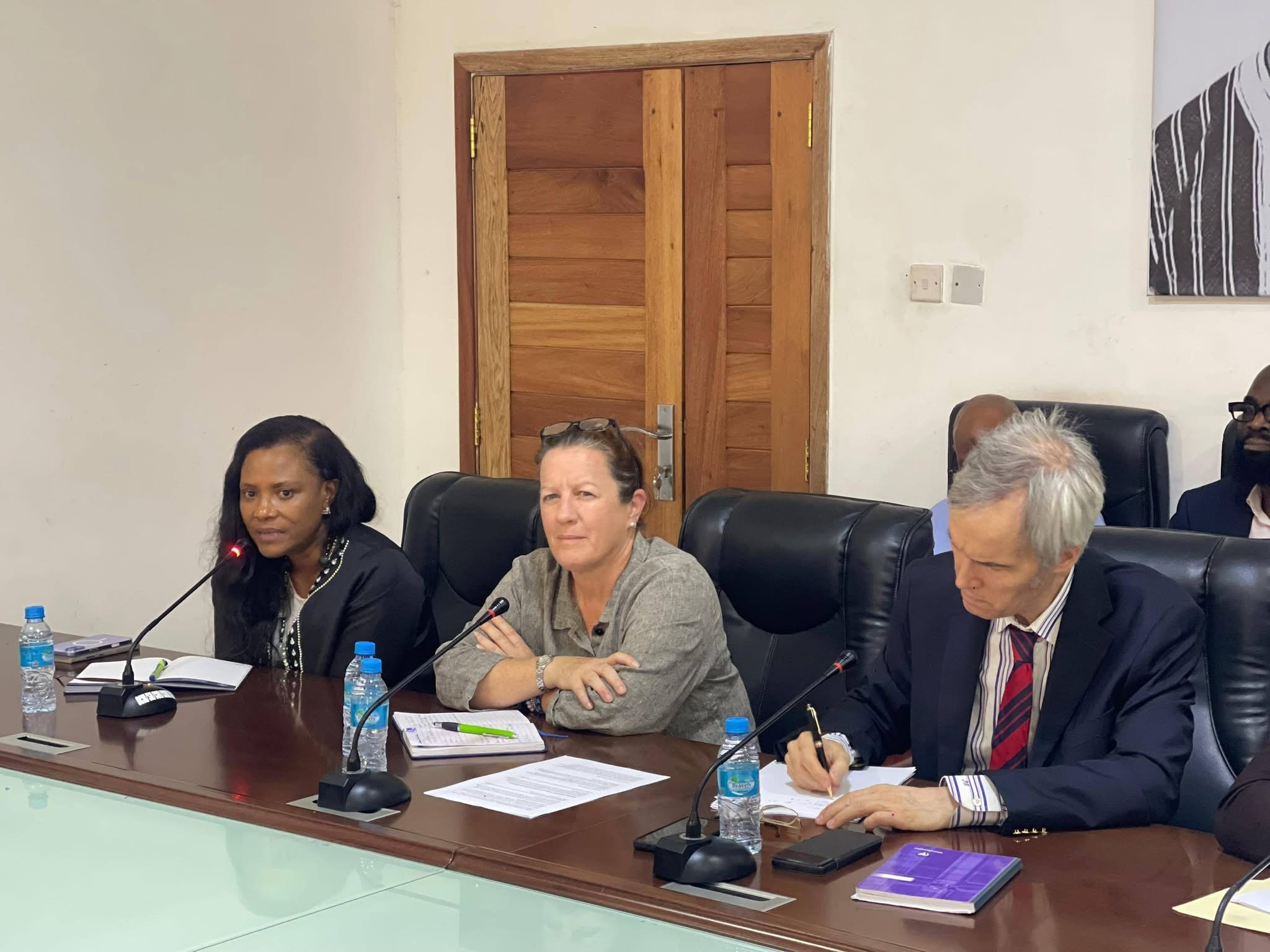
In a statement titled “The Chief’s Diary: The SLPP Government is Accelerating Progressive Political Governance Reform,” Sengeh said he held a meeting with the United Nations Resident Coordinator, the ECOWAS Ambassador, and several resident Ambassadors and High Commissioners to brief them on progress made on the ANU, the Tripartite Report and the appointment of a new Commissioner to the Electoral Commission for Sierra Leone (ECSL).
According to Sengeh, the meeting also included Dr. Gaima, former Co-Chairman of the Tripartite Committee, and Mr. Katta, Head of the Technical Committee for the Implementation of the Tripartite Report Recommendations.

“Firstly, I assured our partners that we have implemented nearly 100% of the Agreement for National Unity (ANU). This isn’t theory – the signed agreement is available for public consumption,” Sengeh stated.
He said he walked the diplomats through each of the eight resolutions under the agreement and noted that “as with every agreement, when you complete all the recommendations, it’s time to move on.”
He added that the government looks forward to hosting the “Moral Guarantors” in April as it concludes that phase of the process.
On the Tripartite Report, which he described as Resolution 3 of the ANU, Sengeh said implementation is ongoing. “It is our goal to strengthen state institutions,” he said, adding that most of the recommendations are assigned to specific institutions responsible for carrying them out. He expressed optimism that full implementation would be achieved.
Addressing electoral reforms, Sengeh said the relevant bills are now before Parliament, which he described as “the competent body to see those through.”
He noted what he called an irony, stating that some members of the opposition All People’s Congress (APC) had recently called for the removal of the Constitution Review Bill from Parliament.
“I encourage our friends from APC to stick to the plan and follow the process in Parliament,” he said, urging the opposition to engage in debate and representation rather than disengagement.
On the appointment of the ECSL Commissioner, Sengeh defended the decision, saying it was made in the interest of the state and not rushed. He said the Commissioner had been serving in an acting capacity for seven months and that with the next general election approximately two and a half years away, early appointment of a substantive head was necessary for proper planning and to build trust in the commission.
“For better planning and proper trust of ECSL, any appointment of a substantive Commissioner at any later date would be too late,” he stated. He added that there is no definite timeline for the conclusion of parliamentary processes and that, given Parliament’s independence, the executive focused on ensuring state stability.
Sengeh referenced Preamble C of the ANU, which notes that “the laws of the Republic of Sierra Leone, especially the Constitution of Sierra Leone (Act 6, 1991) are sacrosanct.” He emphasized that the President’s decision to appoint the Commissioner was within his constitutional mandate and aimed at safeguarding national interest.
He further stated that recommendations from the independent review of ECSL had stalled due to the absence of a substantive head. “Governance is processes – anything that emerges from Parliament will be used by H.E in the next year where two Commissioners come for reappointment,” he said.
The Chief Minister concluded by calling on the APC to participate actively in governance discussions. “If and when we disagree should never lead to state ransom,” he stated, adding that he has instructed his Permanent Secretary to invite the APC leadership and the Chief Negotiator to a meeting later this week to discuss broader governance issues.
Sengeh’s remarks come amid ongoing political dialogue following the signing of the Agreement for National Unity, with the government maintaining that reform efforts are on track and being implemented within constitutional and institutional frameworks.