

Shia Muslims in Sierra Leone Protest War Against Iran
 Sorie Abubakar
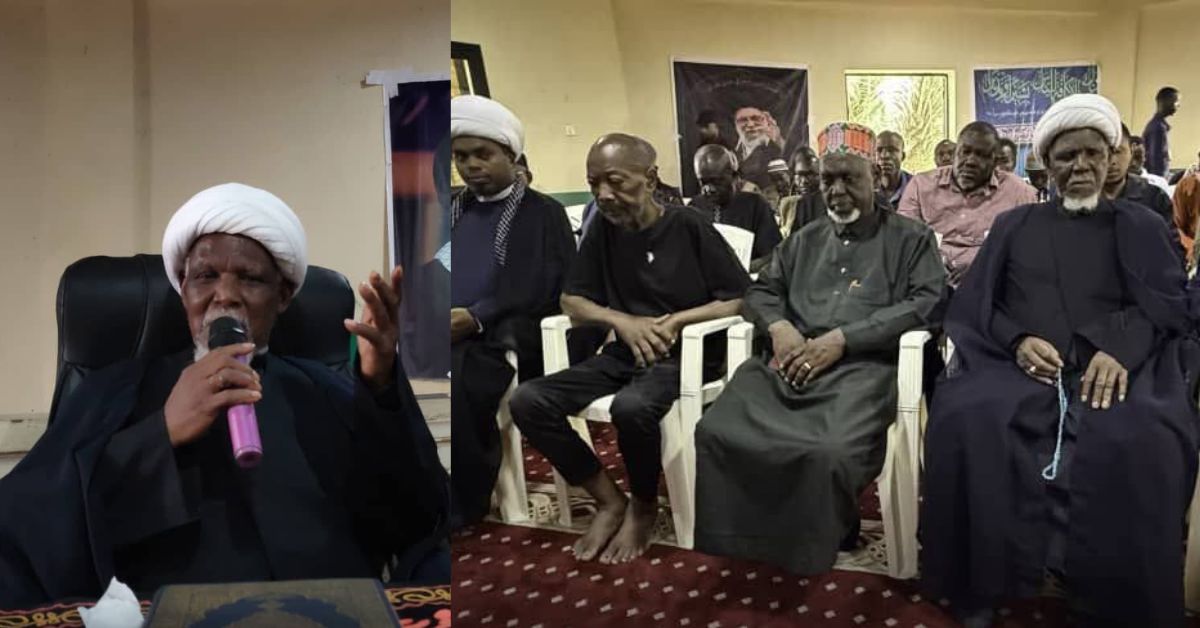
 Members of Sierra Leone’s Shia Muslim community gathered in the capital, Freetown to stage a peaceful protest condemning what they described as a war against Iran by the United States and Israel.
The rally, held in Freetown, drew dozens of participants carrying pictures of the deceased Supreme Leader of Iran, Ayatollah Khamenei and chanting prayers as speakers addressed the crowd. Organisers said the demonstration was meant to express solidarity with the Iranian people and to call on the international community to intervene diplomatically to stop the conflict.
According to speakers at the event, the tensions involving Iran are rooted in what they described as the country’s resistance to foreign influence and its adherence to Islamic principles.

“We believe that by the grace of Allah, Iran will prevail,” one speaker told the crowd, urging attendees to remain steadfast in their support.

The speaker also called on Sunni scholars and other Muslim groups in Sierra Leone to unite with the Shia community in solidarity with Iran. He framed the conflict in religious and ideological terms, saying the war represented a broader struggle over faith and sovereignty.
“This is a war that will clearly distinguish disbelief from belief in the oneness of God,” he said.
Community leaders stressed that the protest remained peaceful and was intended to raise awareness rather than incite unrest.
Sierra Leone is a religiously diverse country in West Africa where Islam is practiced by a majority of the population, alongside Christianity and traditional religions. Most Muslims in the country follow Sunni traditions, while the Shia community represents a small minority.
Estimates vary, but analysts and religious organisations generally place the Shia Muslim population in Sierra Leone at between 1% and 3% of the country’s Muslims, amounting to tens of thousands of followers within a national population of more than eight million people.
Despite their small numbers, Shia groups in Sierra Leone maintain religious centres, educational programs, and periodic public events to express their views on international issues affecting the wider Muslim world like including the ongoing war involving Iran.
Stupidity everywhere 🤣🤣🤣🤣🤣
Make them go help fight the war
Na belleh full kin falla boku people dem o😂
Allah subhallahu watala bring peace to the uman of Iran and the whole world 🌎 as well