

Edmond Abu Urges President Bio to Leverage U.S. Recognition Following Trump Remark
 Aaron Parker
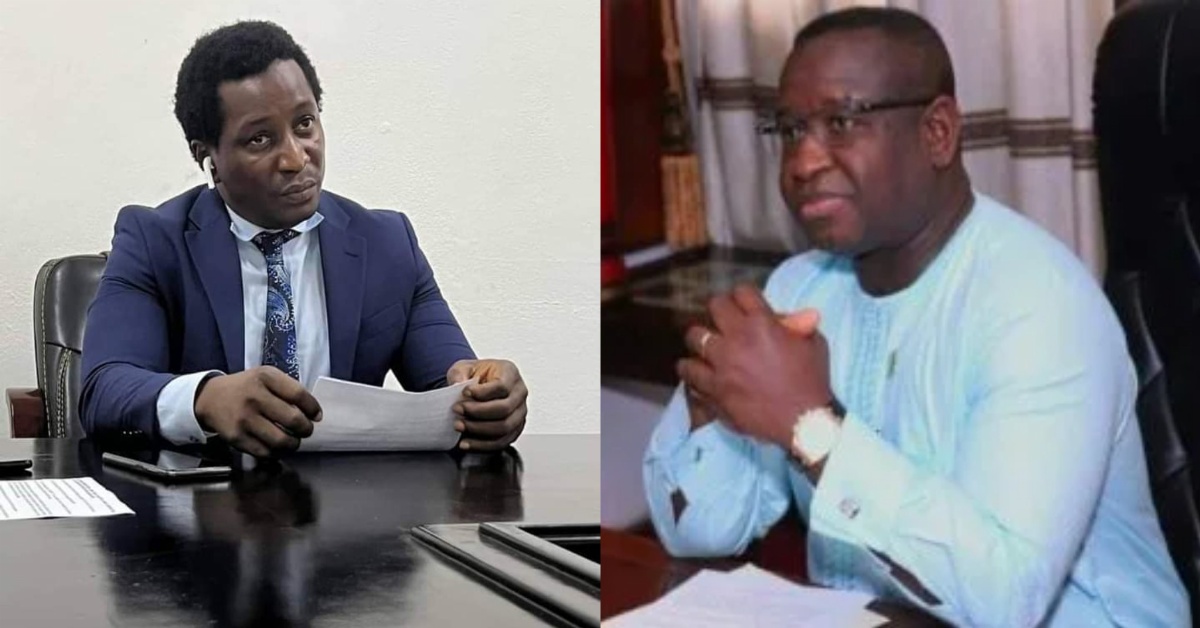
 prominent civil society voice, Edmond Abu, has called on President Julius Maada Bio to strategically capitalize on growing international attention, following a recent remark by U.S. President Donald Trump during a high-level global investment summit.
In a post shared on social media, Abu known for his outspoken stance on governance and accountability acknowledged his consistent criticism of the President but pointed to what he described as a diplomatic opening. He urged President Bio to adopt a pragmatic and “transactional” approach in engaging the United States, particularly in light of Trump’s public recognition.
Abu further emphasized Sierra Leone’s untapped economic potential, highlighting that the country possesses a significant portion of the world’s rare earth minerals. He suggested that this strategic resource base could be used as leverage in negotiations with global powers, especially in discussions around trade and mobility, including visa policies.

His comments come in the wake of a moment that drew international attention at the FII PRIORITY Summit, where Trump, during his closing keynote, made a lighthearted yet notable remark about President Bio.

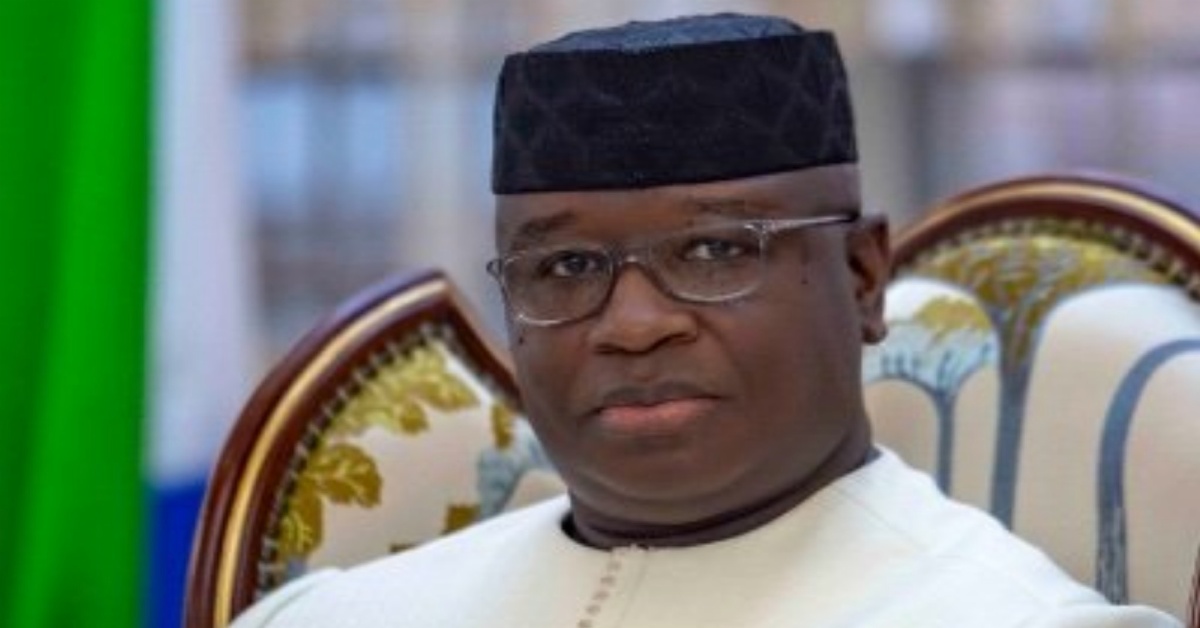
“Maada Bio, I love that name, thank you!” Trump said, acknowledging the Sierra Leonean leader in front of a global audience at the Faena Forum in Miami Beach. The comment, though brief, marked a rare personal nod to an African head of state at the high-profile gathering.
The summit, which brought together over 1,500 participants including global investors, policymakers, and business leaders, focused on the theme “Capital in Motion,” exploring emerging investment opportunities and global economic trends.
President Bio, who was the only African head of state invited as a featured speaker, used his address to advocate for a more inclusive global economic framework. He called on international partners to prioritize sustainable development and human capital investment, particularly in emerging economies.
Analysts note that while Trump’s remark may have been informal, it nonetheless signals a level of recognition that could carry diplomatic significance. Civil society actors like Abu argue that such moments should not be overlooked, but rather transformed into tangible opportunities for national advancement.