

OPEC Fund President Reaffirms Support for Cancer Centre and Agriculture Energy in Sierra Leone
 Sia Lucy Kannah
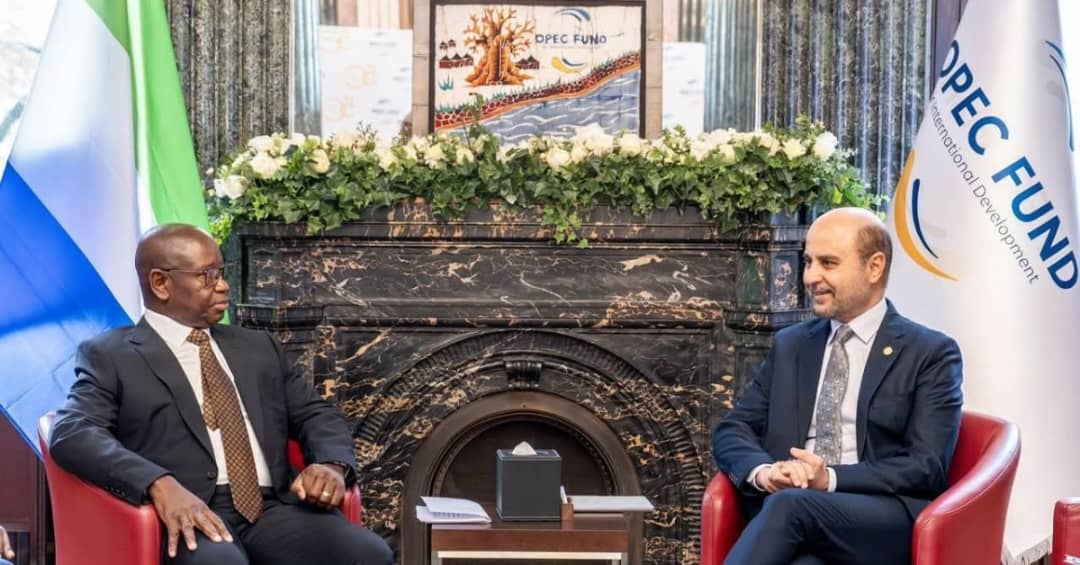
 The OPEC Fund President, Dr. Abdulhamid Alkhalifa, has pledged support for the construction of a Cancer Centre in Sierra Leone and reiterated the Fund’s commitment to strengthening the country’s agriculture, energy, and economic sectors.
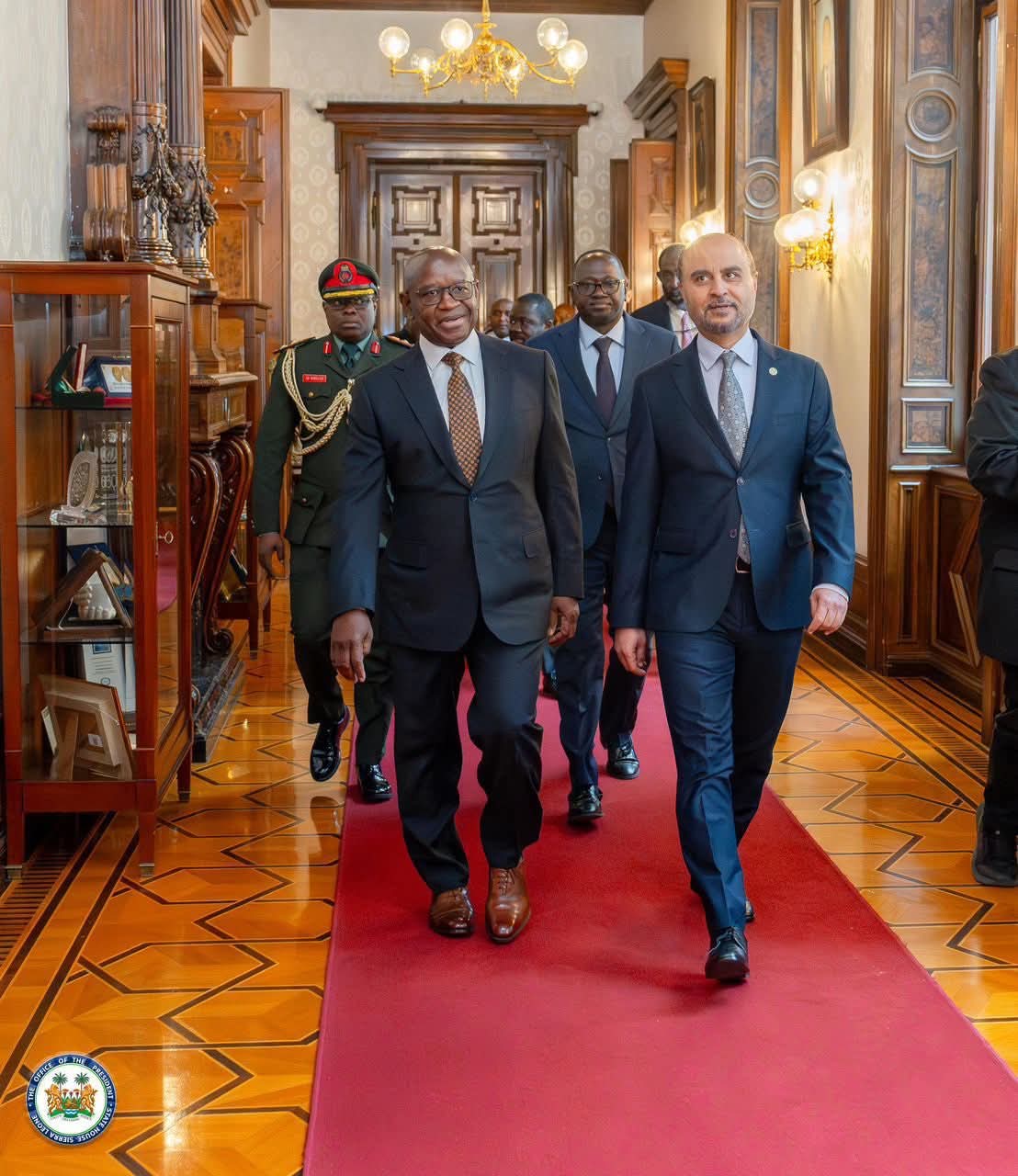
He made the remarks during a meeting with His Excellency President Julius Maada Bio at the OPEC Fund Headquarters.
During the engagement, welcoming President Bio, Dr. Alkhalifa expressed appreciation for the deepening partnership between Sierra Leone and the OPEC Fund. He said he was particularly pleased to meet the President following the successful 2024 Vienna Roundtable and to review the progress achieved since then.

Furthermore, Dr. Alkhalifa briefed President Bio on the Fund’s partnership with the International Atomic Energy Agency aimed at expanding radiotherapy access in countries with limited or no treatment facilities, noting that the Democratic Republic of Congo has already benefited from this collaboration.
Senior OPEC Fund officials also updated President Bio on OFID’s co-financing of several pipeline projects since the Roundtable. These include the Livestock & Livelihoods Development Project (LLDP), for which USD 30 million has been approved; the Kambia Special Agro-Processing Zone (SAPZ) with USD 50 million approved; and the USD 50 million Bumbuna Hydro Project, which is pending Board approval. OFID is currently reviewing the pre-feasibility study of the Kambia-Kychom road.
Responding, President Bio reaffirmed his appreciation for the partnership and commended the Fund’s leadership in advancing sustainable development. He thanked the OPEC Fund for co-hosting the 2024 Roundtable, which generated USD 850 million in pledges, including a USD 260 million new Country Partnership Strategy.
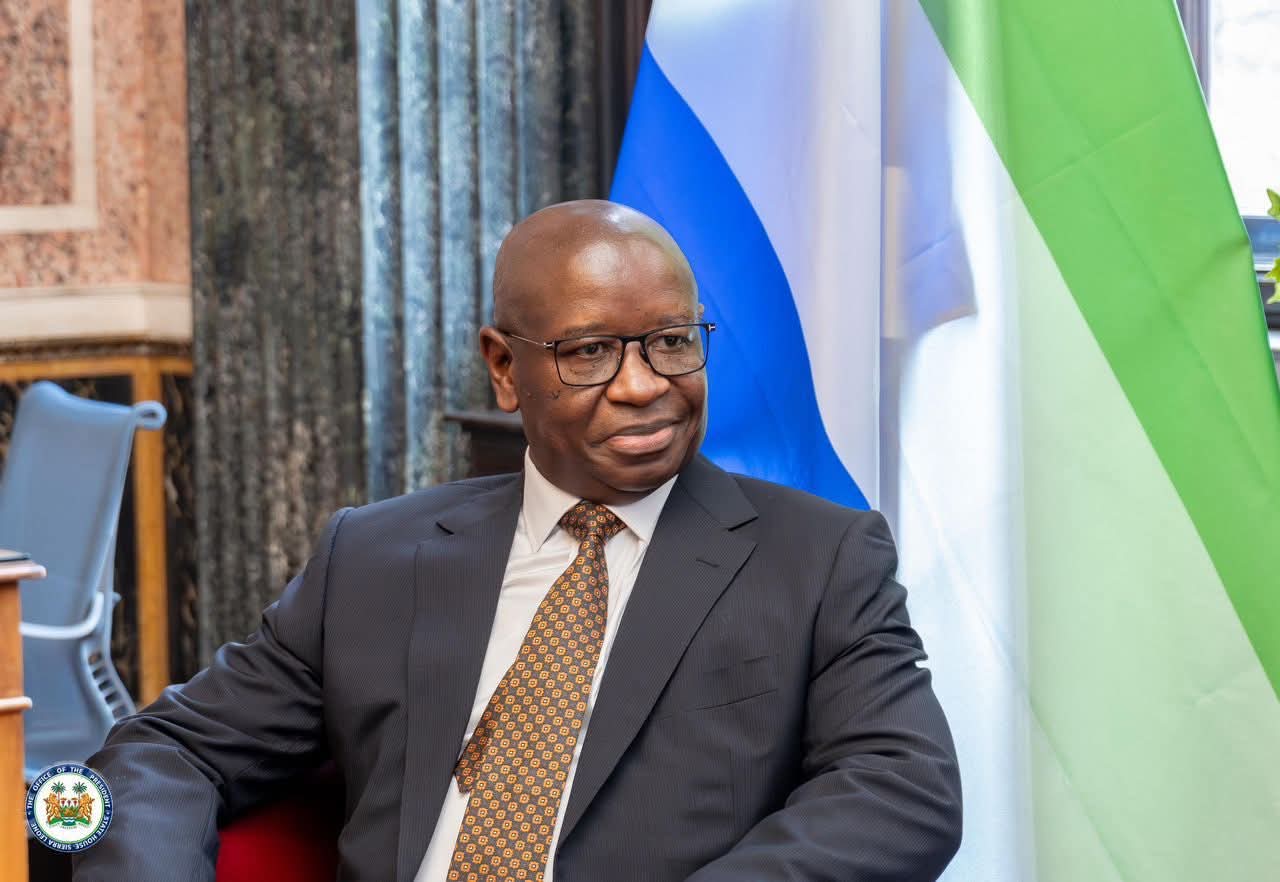
“The disruption of critical energy supply routes has driven oil prices to historic highs, triggering inflationary pressures across transport, electricity, and industrial production. At the same time, the conflict has severely constrained global fertilizer supply chains, pushing up input costs for agriculture, reducing yields, and heightening food insecurity risks, especially for developing countries.” President Bio stated.
He added, “For countries like ours, which have made commendable progress in recent years toward macroeconomic stability and growth, these external pressures threaten to erode hard-won gains, widen fiscal deficits, and intensify the cost-of-living burden on citizens.”