

Court Sentences Zainab Sheriff to Four Years Imprisonment

 Deborah Sorie
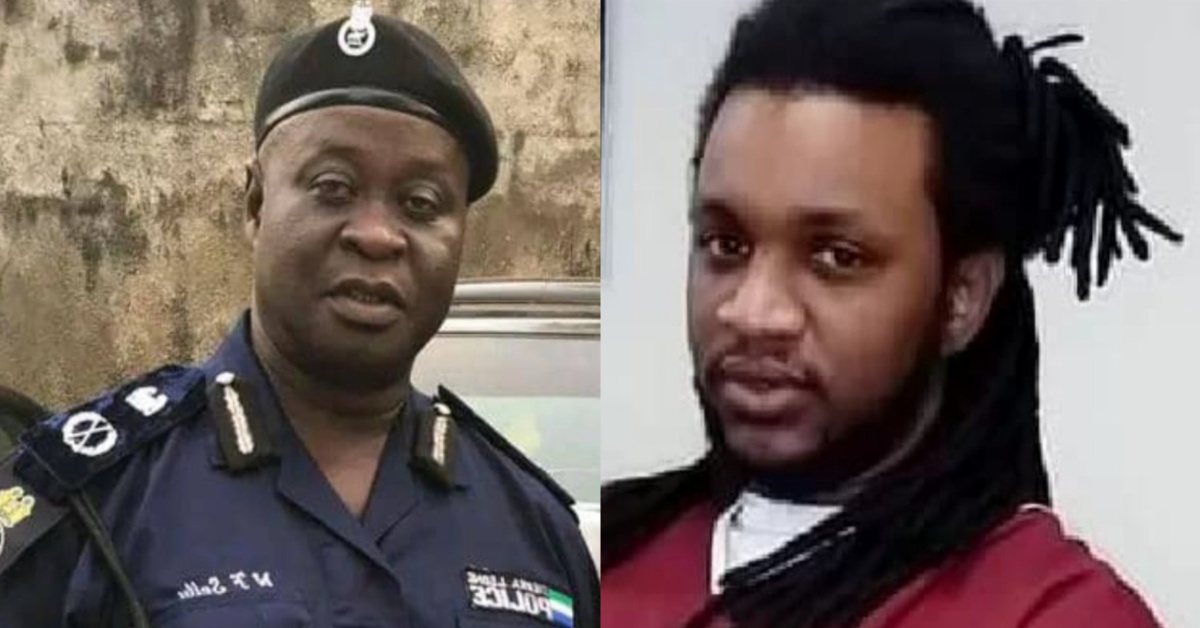
 Sierra Leonean entertainer, activist, and opposition political figure Zainab Sheriff has been sentenced to four years and two months in prison after being found guilty on two charges of incitement and using threatening language.
Magistrate Mustapha Brima Jah delivered the final judgment on Tuesday at Pademba Road Magistrate Court No. 1, ruling that the prosecution had successfully proven its case against Sheriff beyond a reasonable doubt. The sentences for the two charges are set to run consecutively.
The conviction brings a close to a highly anticipated and controversial trial that has sparked national debate over the limits of free expression, public order laws, and political dissent in Sierra Leone.

Sheriff, a flagbearer aspirant for the opposition All People’s Congress (APC) and founder of the “Wi Duti Lappa” women’s empowerment movement, was charged under Section 30(1) of the Public Order Act of 1965. The charges stemmed from remarks she reportedly made on January 31, 2026, during an APC political gathering at the Brima Attouga Mini Stadium in Freetown.
During the trial, the prosecution presented digital forensic evidence—including videos and transcripts—demonstrating that Sheriff told the crowd that anyone who rigs an election has stolen the people’s vote, committed treason, and should be killed. She also allegedly referred to the president as a “rigger.”
Following the circulation of her remarks, officers from the Criminal Investigations Department (CID) arrested Sheriff on February 20, 2026. Throughout the proceedings, she pleaded not guilty. While her defense team argued for her release, noting her expressions of regret and arguing she was not a flight risk, state prosecutors successfully opposed bail.
Magistrate Jah kept Sheriff remanded at the Female Correctional Facility at Pademba Road Prison for the duration of the trial, citing a previous failure to appear and concerns that her release could undermine the proceedings.
Ahead of Tuesday’s verdict, Sheriff took to social media to state, “I remain faithful and committed to the values and the country I deeply love.”
The high-profile trial and Sheriff’s prolonged pre-trial detention drew widespread condemnation from civil society organizations. Amnesty International, the Media Foundation for West Africa (MFWA), and the Institute for Legal Research and Advocacy for Justice (ILRAJ) openly criticized the handling of the case.
Furthermore, women’s advocacy organizations, including the 50/50 Group, warned that her continued incarceration without bail served to discourage female participation in national politics. Freetown Mayor Yvonne Aki-Sawyerr also publicly weighed in on the controversy during the trial, stating that “freedom of speech must be applicable to everyone and the law must be consistently applied.”
Sierra Leone law is for weak
When and until We seen to be equal before the eyes of the law then We start talking about democracy, right
Is this the democracy we want ,oh sierra Leone.
I have to be careful with my comments on this sensitive matter. I think I must read the constitution again on civil rights act so I can be more educated in what to say.
Brima Jah will face worst punishment that will be worst than this
Since you don’t respect women
In shaa Allah
This lady too stupid
E for don runaway long since
Look now u don full tay u comot u don gea more sense
Me broda, if posin say, any body wae tif na this village we dae kill am. You nr need for runaway for da statement dae. Because, the statement say “tif man”
The only tin way you go get problem, if the chief na the village na tif Man, den e go be problem. Because e know say, na e you dae per
𝕎𝕒𝕟 𝕃𝕖𝕓𝕒𝕟𝕖𝕤𝕖 𝕞𝕒𝕟 𝕤𝕒𝕪 𝕥𝕙𝕖 𝔾𝕠𝕧𝕖𝕣𝕟𝕞𝕖𝕟𝕥 𝕠𝕗 𝕊𝕚𝕖𝕣𝕣𝕒 𝕃𝕖𝕠𝕟𝕖 𝕕𝕒𝕖 𝕟𝕒 𝔼 𝕡𝕦𝕜𝕖𝕥, 𝕕𝕚𝕤 𝕟𝕒 𝔻 𝕣𝕖𝕒𝕤𝕠𝕟𝕤 𝕕𝕖𝕞 𝕕𝕚𝕤.
𝕁𝕦𝕕𝕚𝕔𝕚𝕒𝕣𝕪, 𝕟𝕣 𝕘𝕠 𝕖𝕧𝕖𝕣 𝕒𝕝𝕝𝕠𝕨 𝕤𝕒𝕝𝕠𝕟𝕖 𝕘𝕣𝕠𝕨 𝕪𝕒
𝔻 𝕡𝕠𝕝𝕚𝕔𝕖, 𝕟𝕒 𝕕 𝕤𝕒𝕞𝕖 𝕡𝕖𝕠𝕡𝕝𝕖 𝕕𝕖𝕞 𝕨𝕒𝕚 𝕟𝕣 𝕘𝕠 𝕞𝕒𝕜 𝕊𝕒𝕝𝕠𝕟𝕖 𝕘𝕣𝕠𝕨, 𝕒𝕝𝕨𝕒𝕪𝕤 𝕤𝕦𝕡𝕡𝕠𝕣𝕥 𝕨𝕒𝕟 𝕘𝕠𝕧𝕖𝕣𝕟𝕞𝕖𝕟𝕥 𝕥𝕠 𝕕 𝕠𝕥𝕙𝕖𝕣 𝕗𝕠𝕣 𝕤𝕦𝕗𝕗𝕖𝕣𝕖𝕕 𝕕 𝕚𝕟𝕟𝕠𝕔𝕖𝕟𝕥 𝕡𝕖𝕠𝕡𝕝𝕖.
𝕀𝕟 𝕥𝕙𝕖 𝕤𝕥𝕒𝕥𝕖𝕞𝕖𝕟𝕥 𝕠𝕗 𝔹𝕒𝕥𝕚𝕝𝕠 𝕒𝕟𝕕 𝔹𝕠𝕚 𝕒𝕣𝕖 𝕥𝕙𝕖𝕪 𝕔𝕠𝕣𝕣𝕖𝕔𝕥 𝕟𝕠𝕥 𝕥𝕠 𝕤𝕥𝕒𝕟𝕕 𝕥𝕣𝕚𝕒𝕝𝕤.
𝔸𝕤 𝕗𝕠𝕣 𝕪𝕠𝕦 𝔹𝕣𝕚𝕞𝕒 𝕁𝕒𝕙 𝕚𝕗 𝕟𝕒 𝕥𝕣𝕦𝕖 𝕛𝕦𝕕𝕘𝕖𝕞𝕖𝕟𝕥 𝕦 𝕞𝕒𝕜𝕖, 𝕠𝕟𝕖 𝕕𝕒𝕪 𝕥𝕙𝕖 ℂ𝕣𝕖𝕒𝕥𝕠𝕣 𝕨𝕚𝕝𝕝 𝕛𝕦𝕕𝕘𝕖 𝕒𝕝𝕝 𝕪𝕠𝕦𝕣 𝕕𝕠𝕚𝕟𝕘𝕤 𝕚𝕟 𝕥𝕙𝕚𝕤 𝕨𝕠𝕣𝕝𝕕, 𝕣𝕖𝕞𝕖𝕞𝕓𝕖𝕣 ℤ𝕒𝕚𝕟𝕒𝕓 𝕊𝕙𝕖𝕣𝕚𝕗𝕗’𝕤 𝕛𝕦𝕕𝕘𝕞𝕖𝕟𝕥 𝕚𝕤 𝕛𝕦𝕤𝕥 𝕒 𝕞𝕒𝕥𝕥𝕖𝕣 𝕠𝕗 𝕥𝕚𝕞𝕖 ( 𝕧𝕖𝕣𝕪 𝕤𝕙𝕠𝕣𝕥 𝕥𝕚𝕞𝕖 ) 𝕓𝕦𝕥 𝕥𝕙𝕖 ℂ𝕣𝕖𝕒𝕥𝕠𝕣 𝕦 𝕣𝕖𝕞𝕒𝕚𝕟 𝕟𝕒 𝕙𝕖𝕝𝕝 𝕗𝕠𝕣𝕖𝕧𝕖𝕣.
What I have noticed as the years gone by, must Sierra Leoneans have become lawlessness. What do you then have the law for in Sierra Leone? When anyone do wrong let them go free. You can never do that to Siaka Steven or his court, no one will ever know where you will be, dead or alive. This is true. Please Sierra Leoneans think better.
Section 30(1)? of the Public Order Act, 1965?
30. No person shall be criminally liable for the publication of a defamatory matter in the following cases— a) where the defamatory matter consists of an extract from, or an abstract of, a petition to, or a Gazette or document published by or under the authority of, the Governor-General or a Minister and the publication is made without express malice to the person defamed; or b) where the defamatory matter constitutes, in whole or in part a fair report, for the information of the public, of any proceeding of any Court, whether preliminary or final; or of any public proceeding of any body constituted or authorised to hold such proceeding, by any Act or Order or of any public meeting so far as the public is concerned in the matter published if, in every case the publication is made without express malice to the person defamed; or c) where the publication is for the information of the public at the request of any Minister or public officer, or where the defamatory matter is any notice or report issued by a department of Government or public officer, for the information of the public, and where in every such case the publication is made without express malice to the person defamed; or d) where the defamatory matter consists of fair comment wither on any matter the publication of which or on nay report which, is referred to in sections 26 to 29 or in this section; or e) where the defamatory matter consists of fair comment upon the public conduct of any person in public affairs, or upon the public conduct of any person employed in the public service in the discharge of his public duties, or upon the character of any such persons so as it appears by such conduct; or f) where the defamatory matter consists of fair comment on any published book or other literary production, or any composition or work of art, or performance publicly exhibited, or any subject; or of the character of the author of such book, production, composition, work of art, or the person exhibiting such performance, so far as their characters may appear therefrom respectively; or g) where the publication is in good faith for the purpose of seeking remedy or redress for any private or public wrong or grievance from a person who has or is reasonably believed by the person publishing to have, the right to remedy or redress such wrong or grievance; or h) where the publication is made in good faith by a person having any lawful authority over another, and is 8 The Laws of Sierra Leone on the Sierra Leone Web The Public Order Act, 1965 made by him in the course of a censure passed by him on the conduct of that other, in matters to which such lawful authority relates; or i) j) where the publication is made on the invitation of the person defamed; or where the publication is made in order to answer or refute some other defamatory matter published by the person defamed, concerning the person making the publication; or k) where the defamatory matter constitutes an answer to inquiries made of the person publishing it, relating to some subject as to which the person by whom or on whose behalf the inquiry is made, has, or on reasonable grounds is believed by the person publishing to have, an interest in knowing the truth, and if the publication is made in good faith for the purpose of giving information in respect of that matter to that person; or l) where the defamatory matter constitutes information given to the person to whom the defamatory matter is published with respect, to some subject as to which he h as, or is on reasonable grounds believed to have, such an interest in knowing the truth, as to make the conduct of the person giving the information reasonable in the circumstances: Provided that as regards paragraphs (h), (i), (j) and (k), the person making the publication honestly believes the matter published is relevant to the matter the existence of which may excuse the publication of defamatory matter, and the manner and extent of the publication do not exceed what is reasonably sufficient for the occasion; and as regards paragraph (l) that the defamatory matter is relevant to the subject therein mentioned; and that it is either true or is made without malice to the person defamed and in the honest believe, on reasonable grounds, that it is true.
Paddy mak yu point.
Bogus lawyer. You are quoting very outdated sections of the laws of Sierra Leone. Have you forgotten the Media Legislation passed and enacted by Parliament in 2024?
Good read the law again please.
Na Sierra Leone ar see flagbearer aspirant nor sabi de the country constitution this e shameful oooo.
“Incitement?” Who was incited? Threatening language? Who was threatened? In support of Zainab, I repeat, “whoever rigged the last election, and whoever is thinking or planning to rig the next election, may s/he be cursed and her/his children, and their children’s children.”
See who’s talking. Do you remember the number of times Christiana Thorpe rigged elections for the APC? You political buffoon.