

Civic Day Series in Karene: Government Engages Communities In Kamakwie
 Jayah Koker
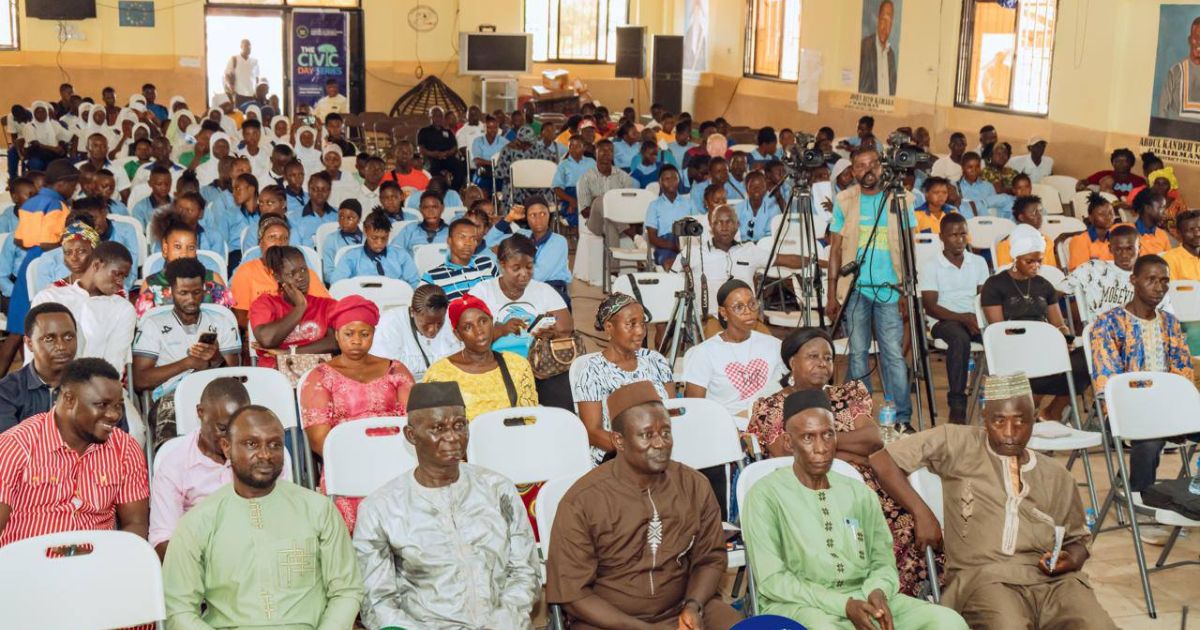
 The Ministry of Information and Civic Education (MoICE) continued its nationwide Civic Day Series in Kamakwie on Monday, 13 April 2026, drawing traditional leaders, schoolchildren, local officials and residents for a full day of public engagement on governance and community development.
The event formed part of MoICE’s drive to deepen civic awareness and strengthen direct communication between the state and citizens.
MoICE officials described the Civic Day Series as a deliberate effort to bring government closer to the people. Timothy Sam, Director of Civic Education, said the initiative is designed to involve schools, customary authorities and community groups in conversations about national priorities under the theme “Salone Big Pass We All.” He urged attendees to see the programme as an opportunity to contribute ideas and hold public institutions accountable.

“This series is about bringing the conversation to the people to listen, to inform and to encourage active participation in national development,” Mr. Sam said, stressing the importance of inclusive dialogue across generations and institutions.
In his opening remarks, Andrew Seannie Kamara, Permanent Secretary of MoICE, framed the Civic Day Series as a bridge between government and citizens. He said the platform allows ministries to share information about policies and programmes while giving residents a structured forum to ask questions and provide feedback.
The Chief Administrator of the Karene District Council used the occasion to emphasise civic duties, urging residents to keep their communities clean and to meet tax obligations as part of contributing to local and national development. His remarks highlighted the link between everyday civic behaviour and broader service delivery.
Customary authorities played a visible role in the proceedings. Paramount Chief Momodu James Kamara of Sellah-Limba Chiefdom officially welcomed guests and introduced other chiefs and community elders in attendance. The presence of traditional leaders underscored the organisers’ strategy to use established local structures to mobilise participation and to ensure that messages reach remote and rural constituencies.
Youth engagement was a central feature of Day One. An inter-school quiz and debate competition involving six schools closed the day’s activities, showcasing the talents of local students and reinforcing civic education in the classroom. St. Peter’s Agriculture Secondary School emerged victorious in both the quiz and the debate, earning praise from organisers and spectators for their preparation and poise.
Organisers said the competitions are intended to make civic education interactive and to encourage young people to think critically about governance, rights and responsibilities.
Officials indicated that the town hall will include sectoral briefings from relevant ministries and a question-and-answer segment to ensure that community issues are recorded and followed up.
Organisers said they will compile feedback from the Kamakwie sessions to inform future Civic Day events and to guide follow-up actions by district authorities and national ministries. The Ministry reiterated its commitment to sustaining the dialogue and to using the Civic Day platform as a regular mechanism for citizen engagement across Sierra Leone.