

ACC Cracks Down on Alleged Corruption in Kenema Courts

 Sahid Bangura
 The Anti-Corruption Commission (ACC) has intensified efforts to address alleged misconduct in the local court system in Kenema, following a rise in public complaints.
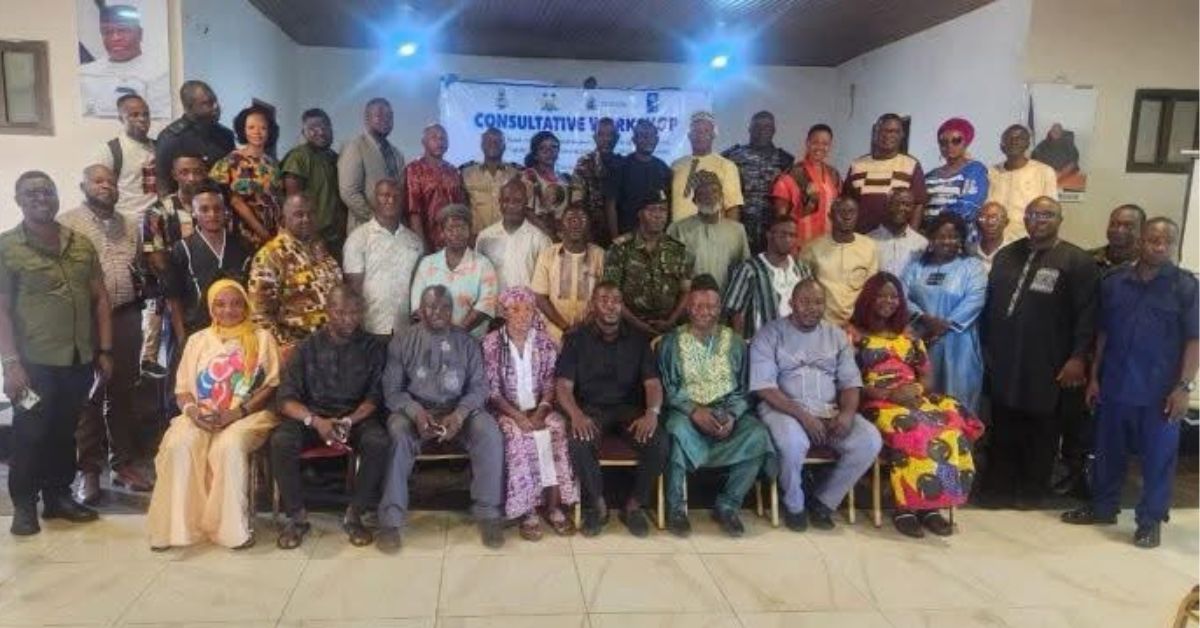
On 13th April 2026, the ACC’s Kenema Regional Office convened a high-level meeting with Court Chairmen and Clerks from Local Courts No. 1, 2, 3, and 4. The engagement, held at the High Court Building in Kenema, brought together key stakeholders to confront concerns over administrative and ethical lapses reported by members of the public.
Speaking at the meeting, ACC Regional Director Hawanatu O. Kamara said the engagement was prompted by numerous allegations of malpractice. These include failure to issue official receipts, imposition of illegal or unauthorised fees, poor record-keeping, missing case files, delays in handling cases, and a general lack of transparency in court proceedings.

She reminded court officials that the Local Courts Act serves as a guiding framework for their duties and stressed the need for strict compliance. Referencing findings from the Truth and Reconciliation Commission (TRC) Report, Kamara noted that injustice and abuse of authority were among the drivers of corruption that contributed to Sierra Leone’s eleven-year civil war. She warned that such practices must not be allowed to re-emerge within the justice system.


Director Kamara further emphasised that all revenues generated by the courts must be properly accounted for and paid into designated accounts, rather than diverted for personal use. She cautioned that challenges such as the absence of salaries do not justify corrupt practices.
Delivering a statement, Senior Public Education Officer Edward N. Blake underscored the critical role of local courts in the dispensation of justice, particularly at the community level where they serve as the first point of contact for many citizens. He said public confidence in the justice system depends largely on the integrity and professionalism of court officials, urging them to uphold transparency, accountability, and professionalism at all times.
Also addressing the meeting, Investigation Officer Andrew Komeh clarified that the operations of local courts fall within the scope of the Anti-Corruption Act 2008 (as amended in 2019). He dismissed claims that lack of formal salaries could excuse corrupt behaviour, noting that the law broadly defines a public officer to include volunteers engaged in public service.
Komeh outlined key corruption offences under the Act, including soliciting or accepting an advantage, abuse of office, misappropriation of public funds, conspiracy, and bribery. He also highlighted the offence of influencing a public officer and encouraged officials to report any attempts to improperly influence their actions.
He warned that individuals found guilty of corruption risk arrest, prosecution, fines, imprisonment, dismissal from office, disqualification from holding public office for at least five years, restitution, and lasting reputational damage. He urged officials to maintain integrity by issuing official receipts, safeguarding records, and administering justice impartially.
Earlier, in his welcome address, Customary Law Officer Andrew F. Kamara provided historical context on the administration of local courts. He explained that the Local Courts Act of 2011 placed local courts under the supervision of the judiciary, after previously operating under local government structures. He stressed that, as part of the judiciary, local courts are expected to demonstrate professionalism and strict adherence to legal and ethical standards.
The ACC said the engagement forms part of its broader mandate to detect, prevent, investigate, and prosecute corruption, while reinforcing accountability and public trust in the justice system.