

Sierra Leone Seeks IMF, World Bank Support Amid Middle East Crisis
 Sahid Bangura
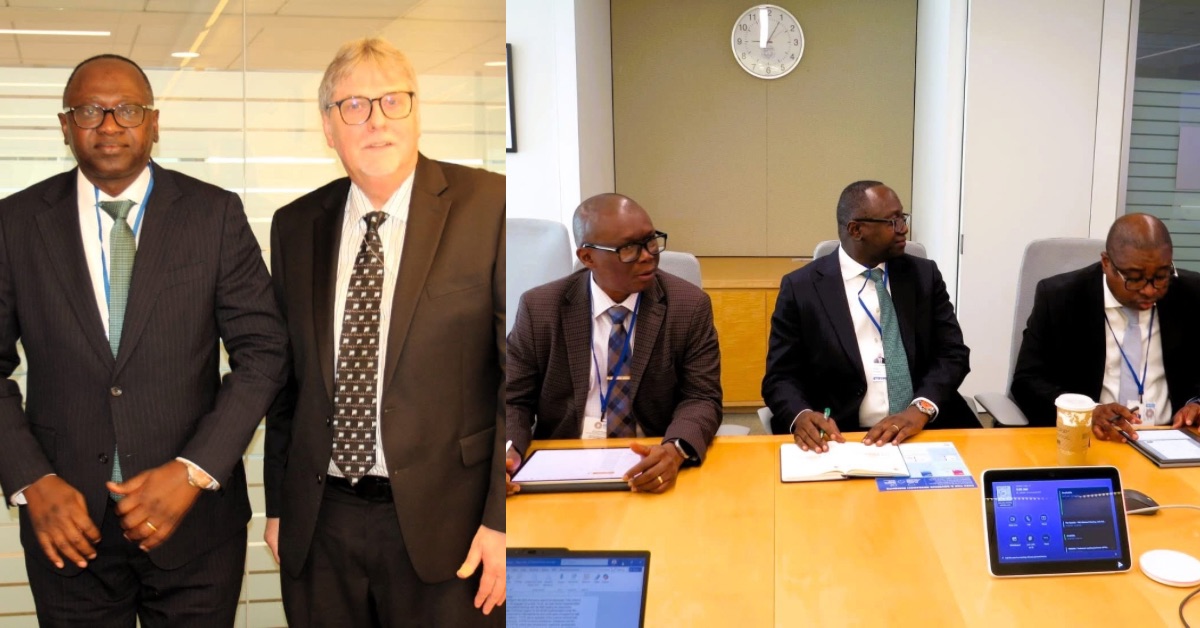
 Sierra Leone’s Minister of Finance, Sheku Ahmed Fantamadi Bangura, is leading a high-level delegation to the IMF/World Bank Spring Meetings 2026, where he is actively engaging global financial institutions to secure support aimed at cushioning the country against the economic fallout from the ongoing Middle East crisis.
The meetings, held from April 13 to 18 in Washington, bring together finance ministers, central bank governors, development partners, investors, and civil society actors to assess global economic conditions and address pressing international challenges.
Minister Bangura, representing President Julius Maada Bio, opened discussions with the Director of the Fiscal Affairs Department of the International Monetary Fund, expressing appreciation for continued technical assistance in strengthening public financial management systems in Sierra Leone.

He highlighted reforms including the revision of the Public Financial Management Act, 2016, the Public Procurement Act, 2016, improvements in cash management and forecasting, and the transition to Government Financial Statistics 2014.
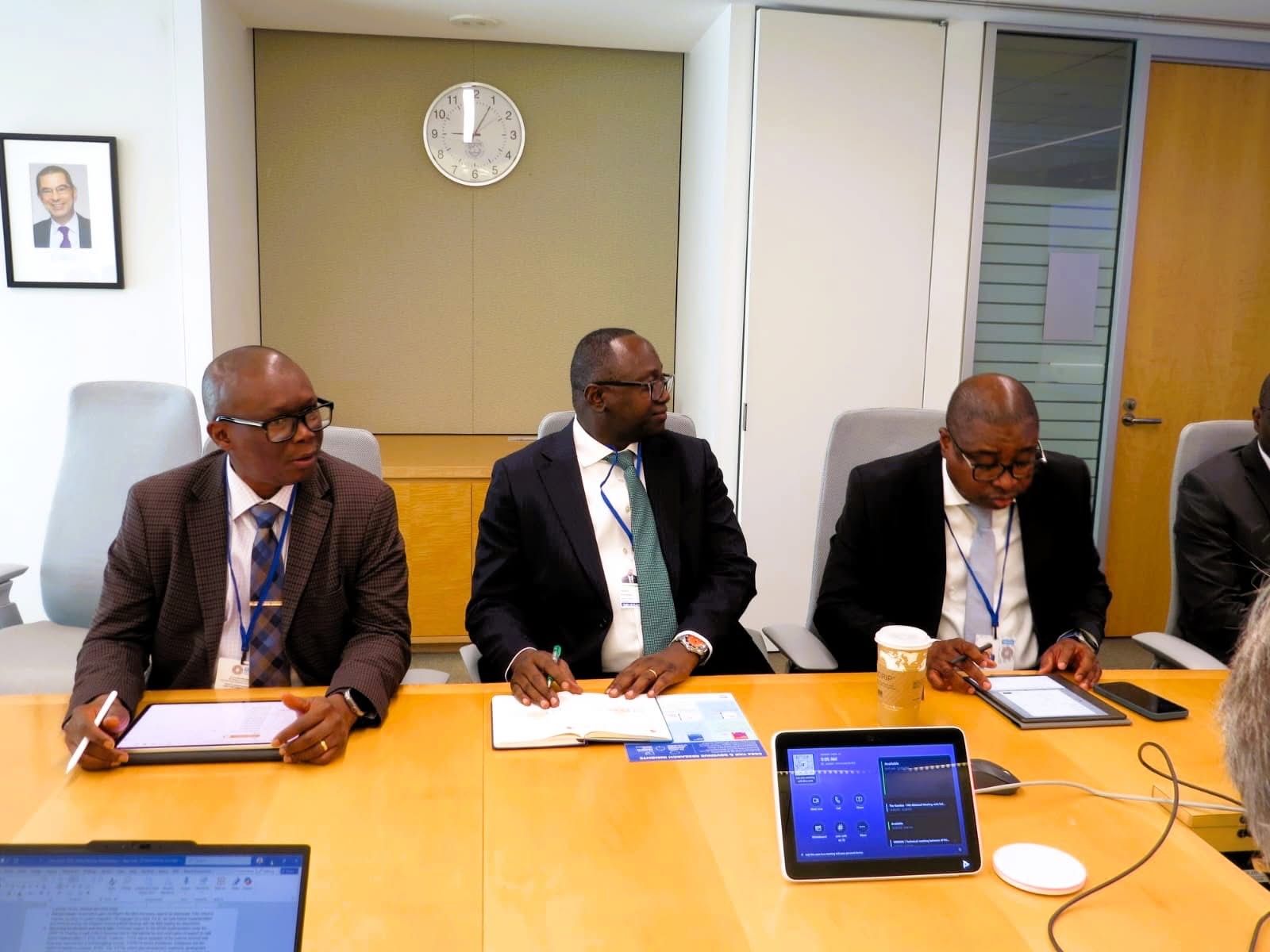
The Finance Minister stated that the government has implemented sound economic policies over the past two years, resulting in “impressive performance on key macroeconomic fundamentals,” including low inflation, a stable exchange rate, a positive primary balance, and sustainable interest rates on government securities.
However, he cautioned that the escalating crisis in the Middle East poses a significant risk to these gains. “The recent crisis in the Middle East has the potential to erode recent economic successes,” Bangura said, underscoring the vulnerability of developing economies to external shocks.
He further called for continued IMF support, particularly in strengthening capacity within the mining sector, focusing on transfer pricing, advance pricing agreements, and reforms to tax legislation, including the Income Tax Act, 2000, and the Excise Act, 1998. He also emphasized the need for a mid-term review of the Medium-Term Revenue Strategy 2023-2027.
The IMF’s Fiscal Affairs Department Director acknowledged Sierra Leone’s progress and reaffirmed ongoing collaboration, noting that the institution would give positive consideration to the government’s requests.
In a separate meeting with the IMF country team, led by Mission Chief Christian Saborowski, Minister Bangura raised concerns about the impact of the Middle East crisis on the country’s Extended Credit Facility (ECF) programme. He noted that the crisis has introduced “a serious shift in the existing framework” of the arrangement.
Bangura outlined measures already taken by the government to mitigate the impact and sought clarity on additional IMF support for developing countries facing similar pressures. In response, Saborowski acknowledged the challenges and warned of potential adverse effects on food security and poverty levels.
He advised the government to maintain focus on meeting the programme’s Quantitative Performance Criteria and Structural Benchmarks by the end of April, to facilitate the completion of the third review under the ECF in June 2026.
The Finance Minister also met with Zarau W. Kibwe, Executive Director for the Africa West I Constituency at the World Bank Group. During the engagement, Bangura sought details on planned World Bank support to help developing countries mitigate the economic impact of the Middle East crisis.
He noted that Sierra Leone’s World Bank-funded portfolio is performing well and disclosed that discussions are ongoing to activate the Rapid Response Option (RRO) as a mechanism to address emerging economic pressures linked to the crisis.
The Spring Meetings continue amid growing global uncertainty, with developing economies like Sierra Leone seeking coordinated international support to safeguard economic stability and protect vulnerable populations.
Aaaaa booooo. This is really very shameful and sad. You don’t need IMF and world bank for help. Take control of Sierra Leone resources, all, sell, get the funds and do what you want to do for the country. Wow. This is my opinion for our country, ok. Peace. I love country, Sierra Leone.
Why we don’t need IMF support ? This country has no resave since the year 2000 and also we don’t depend on our onw authorities to settle our dispute we always called outsiders to settle between us so when we need help we also go to them