

Higher Education Ministry Launches Regional Vaccine Research Initiative With IDRC Support

 Sia Lucy Kannah
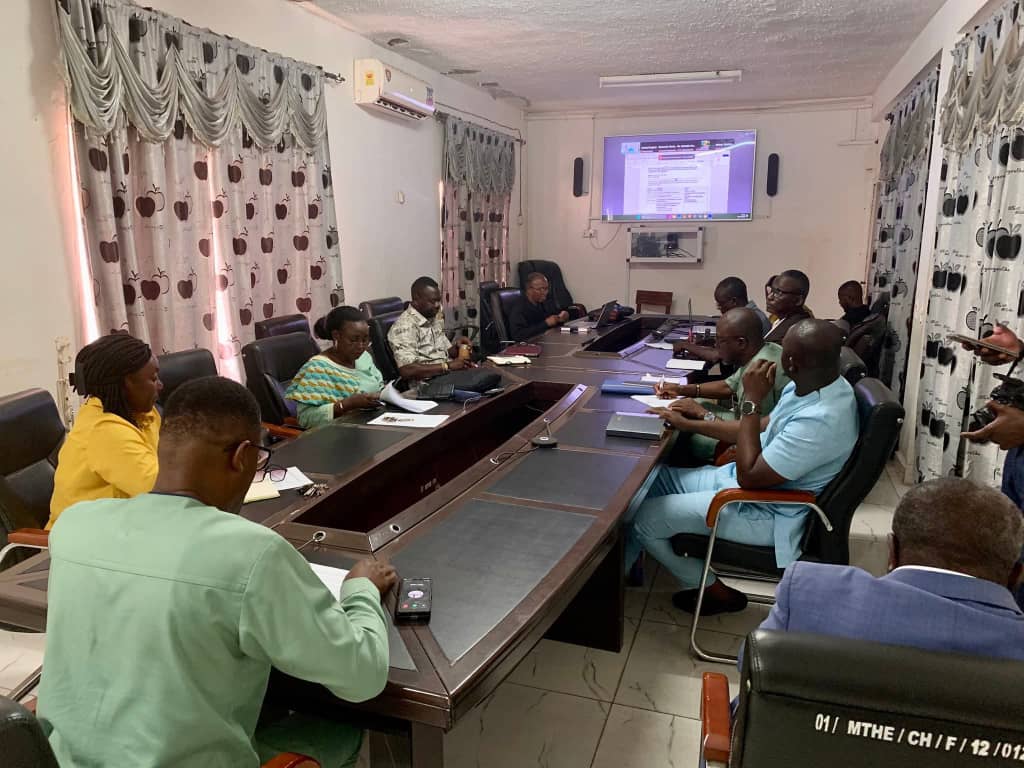
 The Ministry of Technical and Higher Education has officially launched a regional initiative titled “Collaborative Network for Novel and Enhanced Capacity in Vaccine Advancement in Kenya, Uganda, Tanzania, and Sierra Leone (CONNECT-VAX)”, with funding support from the International Development Research Centre (IDRC).
The research initiative aims to enhance the resilience, efficiency, and sustainability of vaccine ecosystems across the four participating countries.
According to the Ministry, the project will focus on strengthening vaccine research and development (R&D) capacity in both East and West Africa. It will also assess and improve the regulatory environment governing vaccine research, development, and deployment.

In addition, the initiative will investigate factors influencing vaccine acceptance, hesitancy, and demand, while identifying and optimising vaccine delivery systems, including logistics, cold chain management, human resources, and data systems.



Officials noted that each of these objectives is directly linked to critical development challenges in the participating countries and seeks to address longstanding barriers to sustainable immunisation systems.
The initiative aligns with broader continental frameworks, including the African Union’s Agenda 2063 and the Africa Centres for Disease Control and Prevention (Africa CDC) Partnerships for African Vaccine Manufacturing (PAVM), which aims to produce 60 percent of Africa’s vaccines by 2040.
The project is expected to strengthen vaccine innovation through a targeted research agenda. Its findings will support governments in improving policies and regulatory systems, guide research institutions in addressing capacity gaps, promote regional regulatory harmonisation, inform private sector investment decisions, and enhance donor coordination and community health engagement.
Speaking at the launch, Deputy Minister of Technical and Higher Education, Sarjoh Aziz-Kamara, emphasised the importance of building local capacity to address global health challenges.
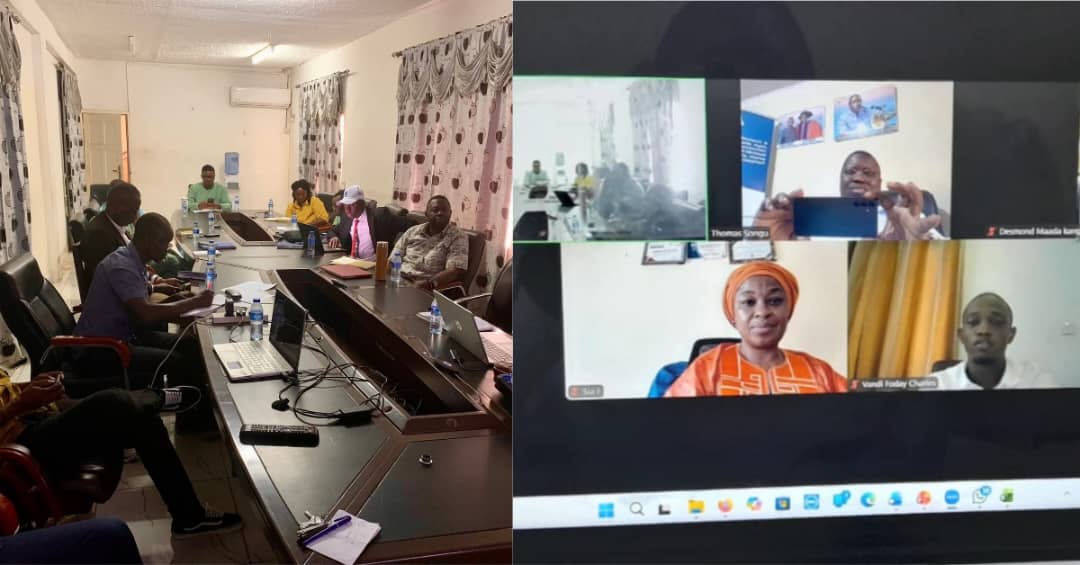
“We recognise that higher education institutions must not only produce graduates, but also generate solutions. Our universities and technical institutions must become centres of discovery, enterprise, and national problem-solving. That is why partnerships such as CONNECT-VAX are so valuable,” he said.
The Ministry reaffirmed its commitment to supporting the initiative, noting that it will strengthen regional collaboration and build critical capacity in vaccine research and innovation.
The project is expected to deliver long-term impact by enhancing scientific collaboration, improving research infrastructure, and contributing to evidence-based policy development in vaccine science.