


 1 Comment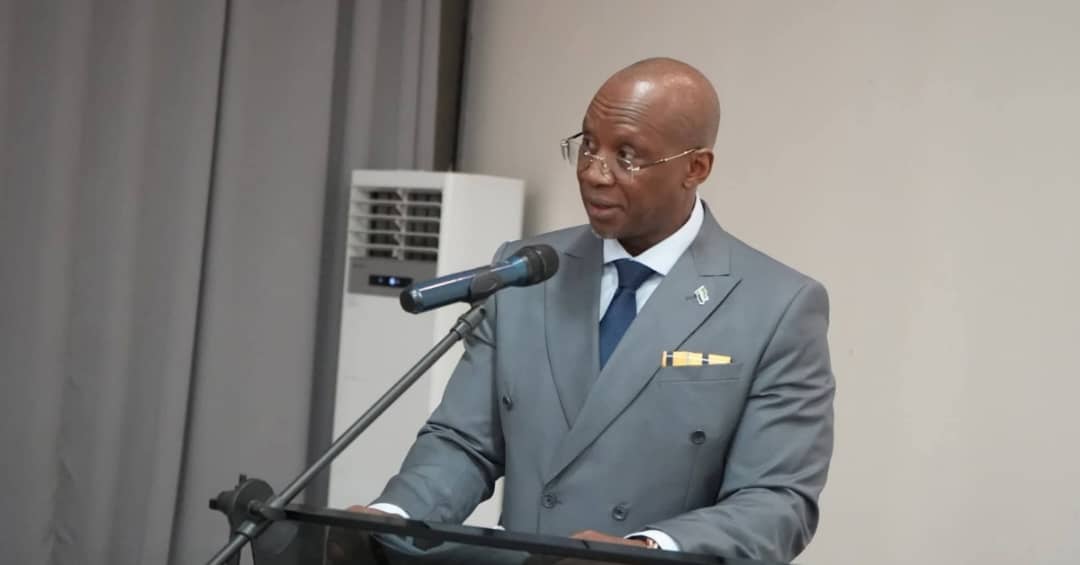
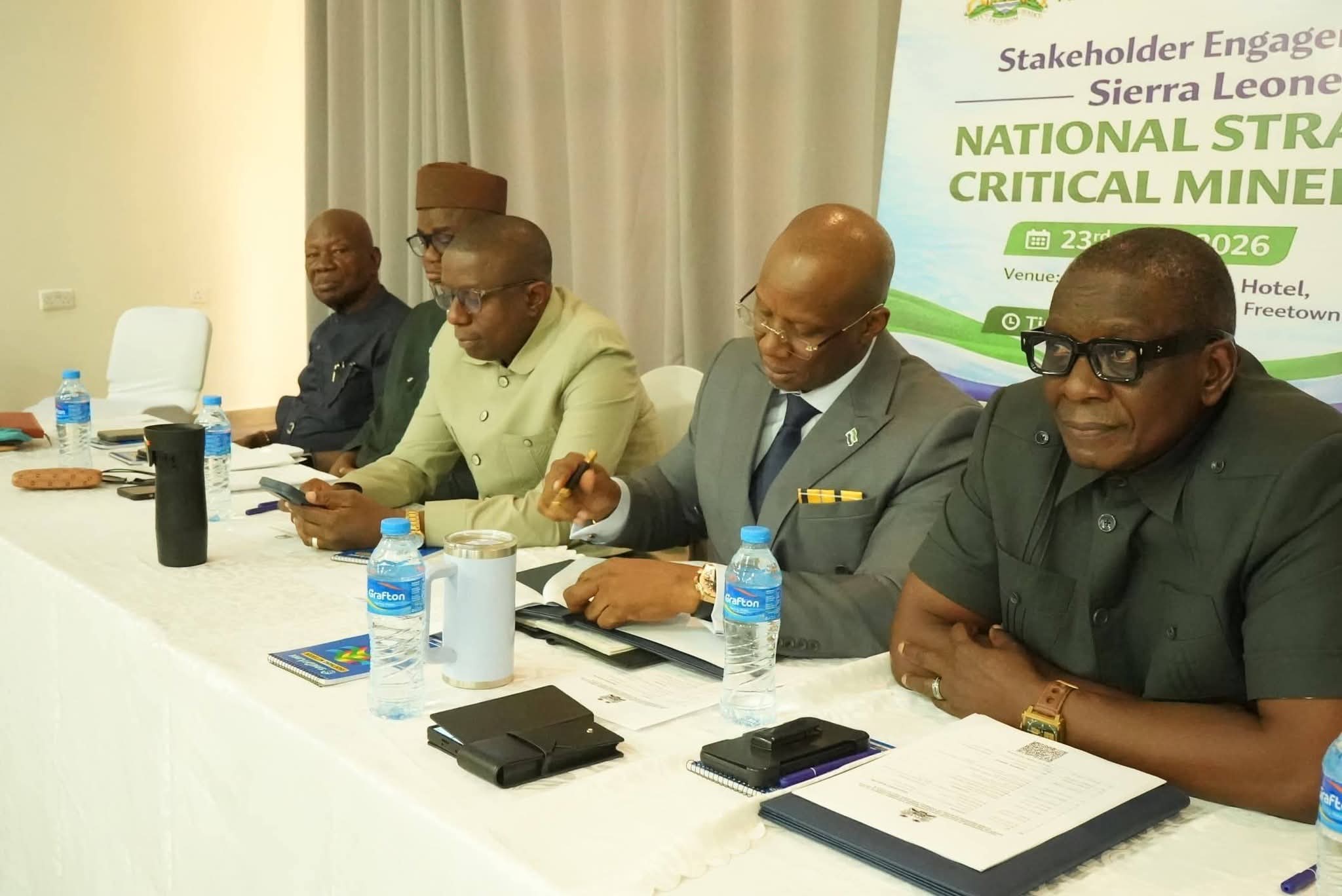
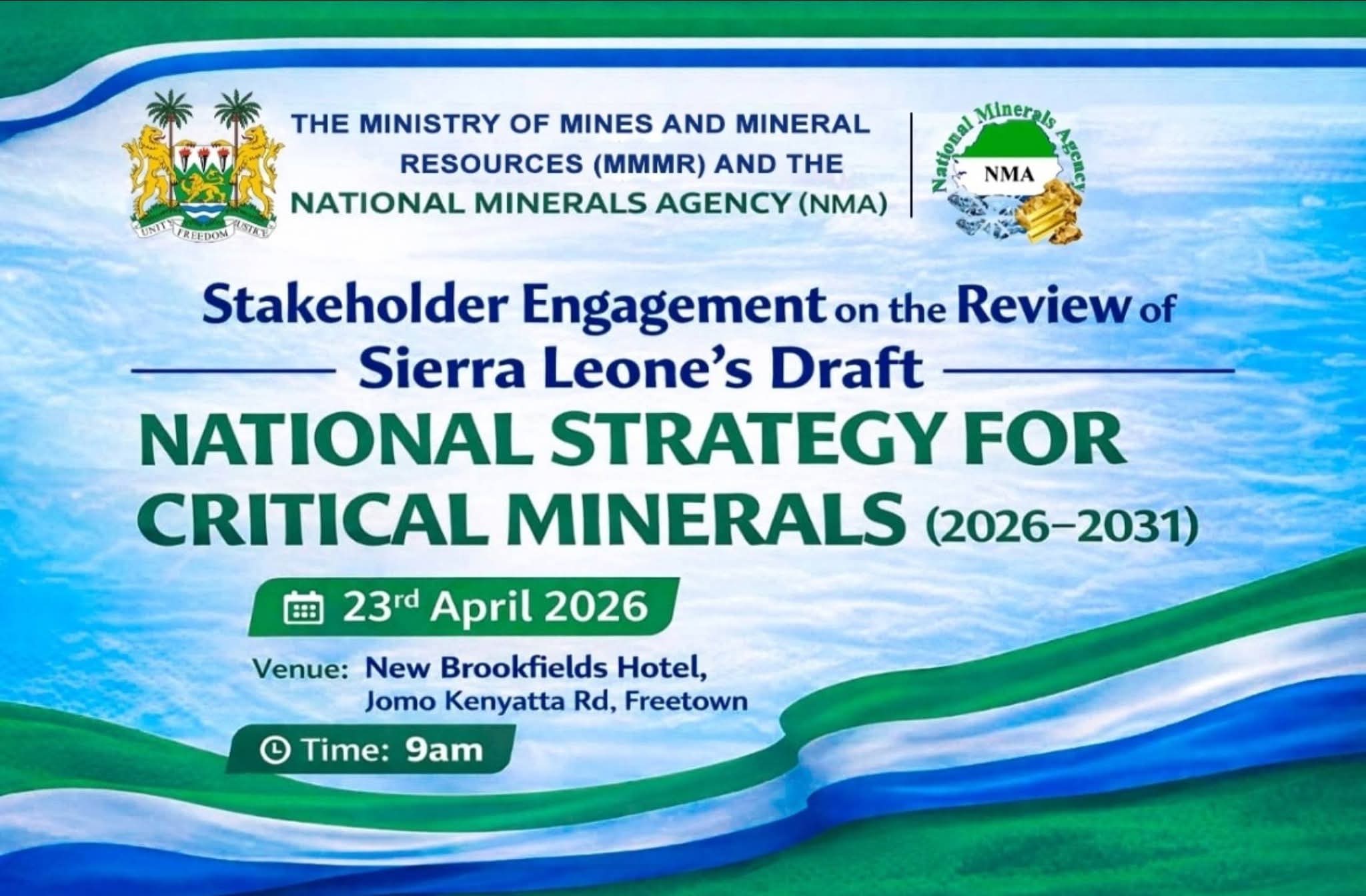
The Government of Sierra Leone has reaffirmed its commitment to transforming the country’s mineral wealth into a driver of inclusive economic growth, as the Ministry of Mines and Mineral Resources convened a high-level stakeholder engagement workshop to review the draft National Strategy for Critical Minerals.
Speaking at the event, the Minister of Mines and Mineral Resources, Julius Daniel Mattai, delivered a candid and forward-looking address, describing the session as “a national moment of reckoning” with Sierra Leone’s past, present, and future in the mining sector.
The Minister acknowledged the long-standing paradox of Sierra Leone’s mineral endowment, rich in resources yet historically challenged by poverty, environmental degradation, and limited value retention.

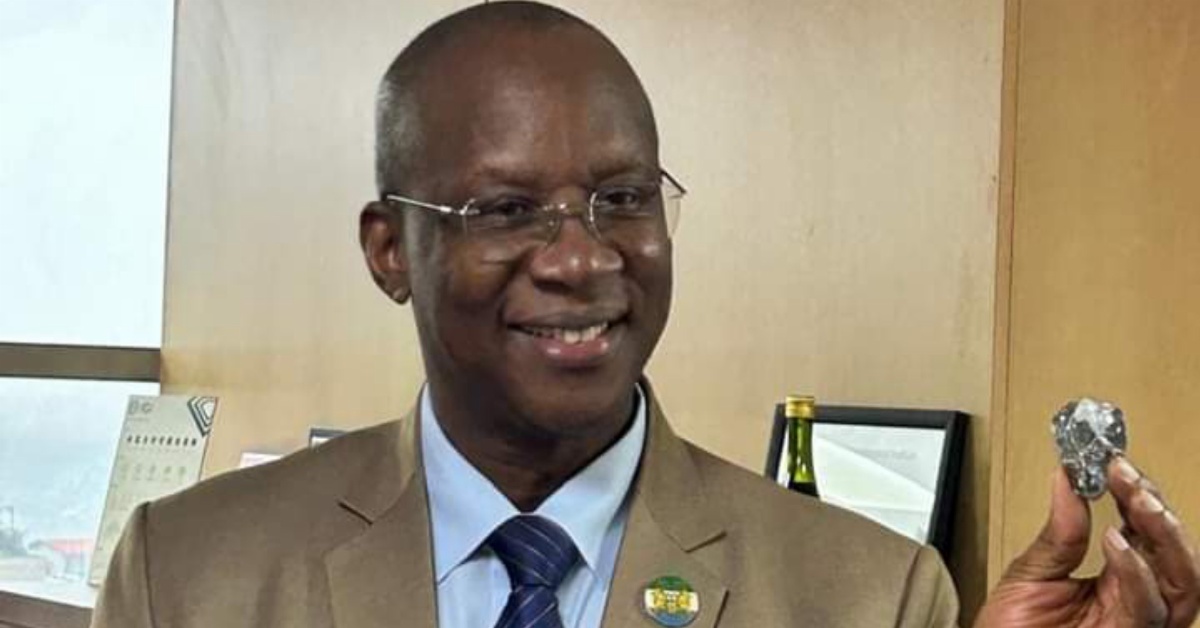
“Our rocks have always been generous,” he noted, referencing the country’s deposits of diamonds, rutile, bauxite, and emerging critical minerals such as lithium. “But for too long, the value has left our shores while hardship remained in our communities.”
He stressed that the global shift toward green industrialisation, digital transformation, and clean energy has elevated the strategic importance of critical minerals, positioning Sierra Leone at a crucial crossroads. The country, he said, possesses significant deposits of minerals essential for modern technologies, including battery storage, renewable energy systems, and advanced manufacturing.
Additionally, the Minister cautioned that natural resource wealth alone does not guarantee development. He stressed the importance of governance, industrial policy, and strategic negotiation in ensuring that Sierra Leone captures greater value from its mineral resources. “The real battle is not in the chemistry of the ore, but in the geopolitics of who owns the value chain,” he stated.
The Minister also highlighted the policy direction under the leadership of President Julius Maada Bio, noting that reforms such as the Mines and Minerals Development Act 2023 and alignment with continental frameworks like the Africa Mining Vision are laying the foundation for a more transparent and value-driven mining sector.
He explained that the draft strategy is built on four key pillars: transforming the sector through value addition and industrialisation; advancing environmental and social stewardship; ensuring broad-based economic benefits; and securing strategic international partnerships aligned with national interests.
The Minister called on all stakeholders, including government institutions, investors, civil society, academia, and local communities, to play an active role in shaping and implementing the strategy. He emphasised that artisanal miners must also be integrated into a more formal, safe, and productive mining ecosystem.
The stakeholder engagement forms part of a broader consultative process to finalise the National Strategy for Critical Minerals (2026–2031), which is expected to guide Sierra Leone’s participation in global mineral supply chains and support its transition toward a more diversified and resilient economy.
Finally, the Minister concluded by urging stakeholders to move beyond policy discussions to concrete implementation, stressing that the success of the strategy will ultimately be measured by its impact on the lives of Sierra Leoneans.


Sir,if someone know about the outstanding minerals like rubies ,shapern, amnesty , emeralds another’s.Can the Government provide materials to test them, There are different types of minerals in Sierra Leone, especially in Kambia district but we lack of Equipment.