
Government Launches Review to Strengthen Higher Education Sector
 Osman Tolo Sesay
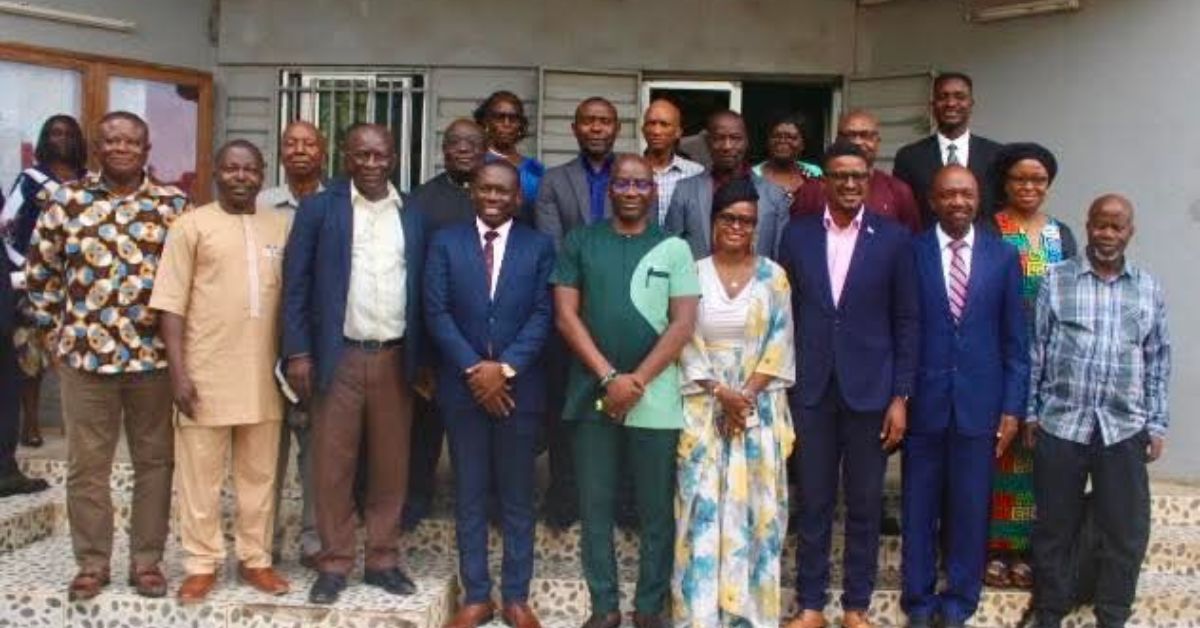
 The Ministry of Technical and Higher Education (MTHE), in collaboration with the Ministry of Public Administration and Political Affairs (MoPAPA) and the Public Sector Reform Unit, has undertaken a management functional review aimed at strengthening governance and improving service delivery across Sierra Leone’s technical and higher education sector.
The review, conducted on 5 May 2026 (subject to confirmation), forms part of broader efforts to align educational systems with national development priorities while addressing structural and institutional challenges within the sector.
Opening the session, MTHE Permanent Secretary, Mohamed Sheick Kargbo, emphasized that effective public service depends not only on skilled personnel but also on strong institutional frameworks. He encouraged ministry staff and stakeholders to embrace reform initiatives and address gaps in organisational structures and career progression.

Deputy Minister, Sarjoh Aziz-Kamara, described the exercise as a key step toward enhancing accountability and institutional performance. He urged active stakeholder participation, particularly in ensuring that recommendations from the review are effectively implemented.
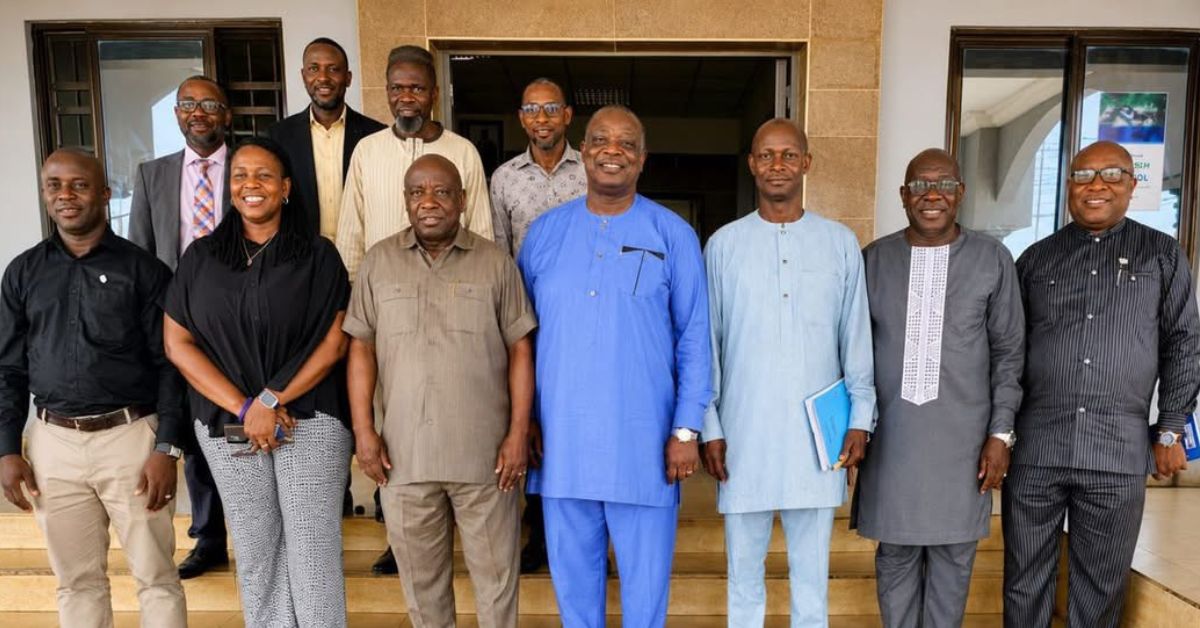

Minister of Public Administration and Political Affairs, Amara Kallon, highlighted longstanding inefficiencies within the public sector, noting that ongoing reforms under President Julius Maada Bio are intended to modernise outdated systems. He stressed the importance of linking educational outcomes to labour market demands in order to improve national productivity.
Director of the Public Sector Reform Unit, Phoray Musa, said the review will identify systemic gaps and propose improvements in areas such as human capital development, digital transformation, and institutional efficiency. He added that the findings will undergo stakeholder validation before submission to Cabinet.
From the academic sector, University of Sierra Leone Vice-Chancellor, Dr. Aiah Lebbie, called for urgent reforms to address staff shortages and outdated curricula. He noted that rapid technological advancements, including tools such as ChatGPT, are reshaping education and creating a widening gap in digital competence between students and lecturers. He urged institutions to invest in innovation and develop locally relevant solutions.
Chief Technical and Higher Education Officer, Dr. Josephus Brimah, emphasized the need for adequate funding and practical implementation strategies to support reform efforts. Similarly, Deputy Chief Technical and Higher Education Officer, Sia Fasuluku, pointed to disparities in access to education, particularly in rural areas, and cautioned that digital reforms must be implemented through an inclusive and phased approach.
MTHE’s Director of Technical and Vocational Education and Training, Abdul Senesie, underscored the importance of coordination across all levels of the education system to prevent fragmented reforms.
The review concluded with a shared commitment among government officials, education leaders, and stakeholders to strengthen institutional systems, increase investment, and ensure better alignment within the education sector as part of efforts to support sustainable national development.