


 5 Comments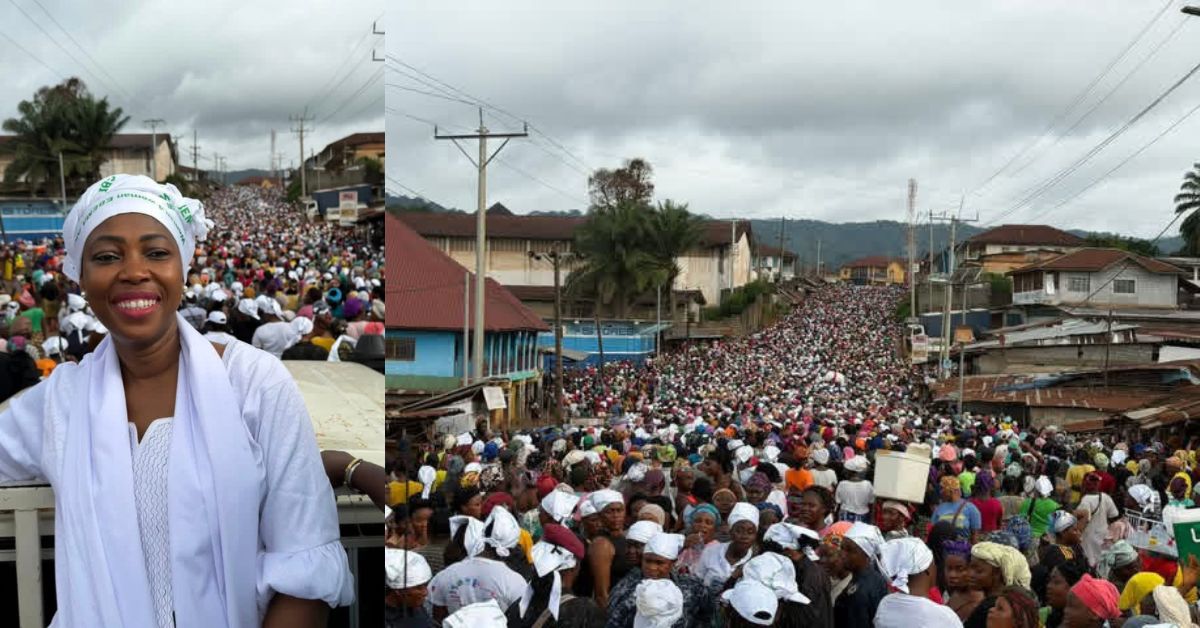
Sierra Leone’s First Lady, Fatima Bio, is facing criticism following her participation in a parade organised by members of the Bondo Secret Society in Kenema, an event widely described by campaigners as a pro-Female Genital Mutilation (FGM) procession.
Advocates against FGM have condemned the First Lady’s appearance at the event, questioning what they describe as a contradiction between her advocacy for women and girls and her support for a cultural practice that has long faced international criticism.
One outspoken critic, Alimatu Dimonekene, publicly expressed disappointment over the First Lady’s involvement.

“I struggle to understand how someone like the First Lady of Sierra Leone can champion the fight against violence against women and girls, while continuing to support Bondo (FGM),” Dimonekene said.
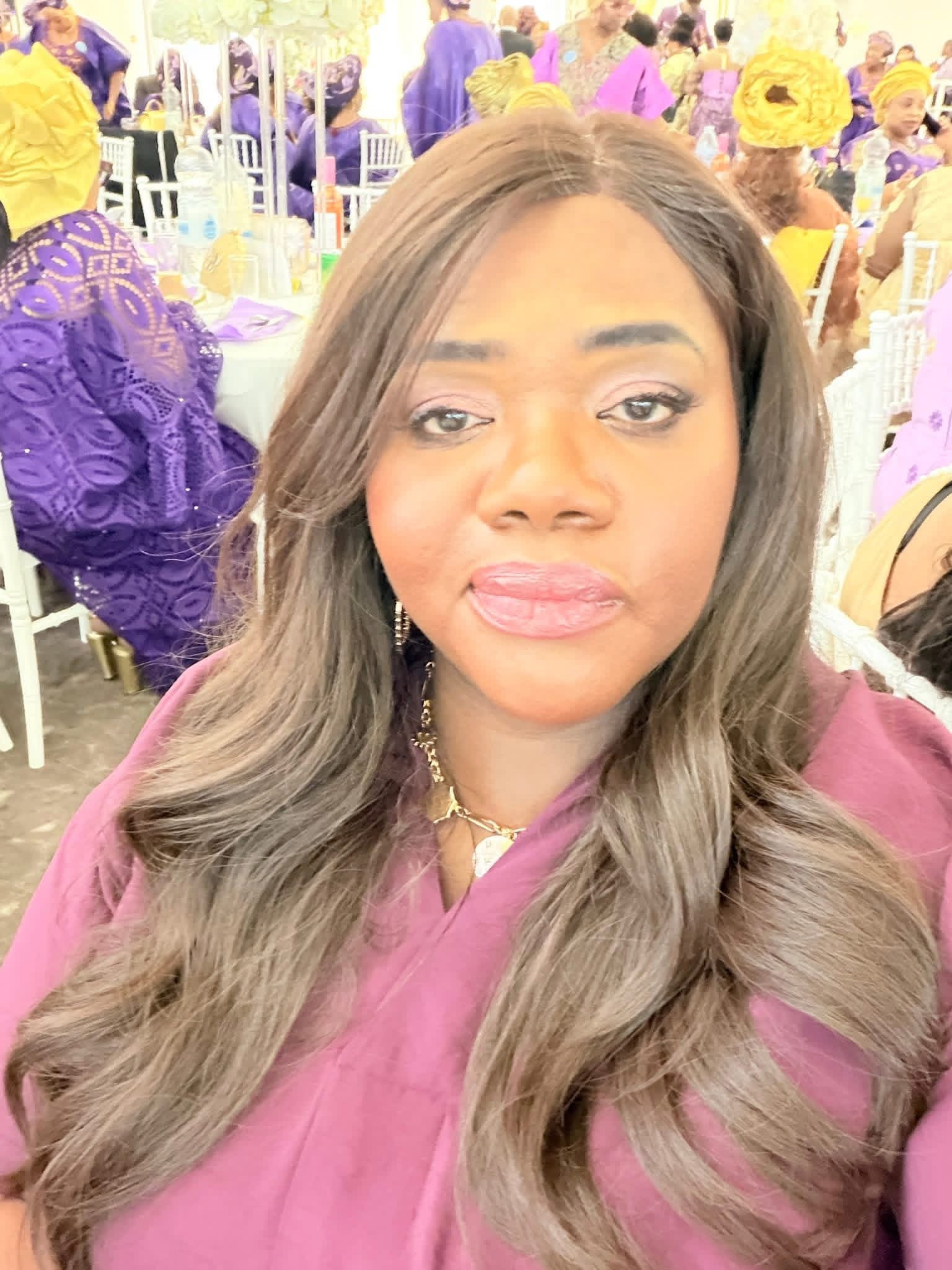
According to Dimonekene, advocating for the protection of girls while supporting FGM is incompatible, arguing that the practice continues to endanger the wellbeing and rights of women and girls across the country.
However, the First Lady defended her participation, describing the parade as a celebration of Sierra Leonean culture and identity rather than an endorsement of harm against women.
“This historic and colorful gathering beautifully showcased the magnificent display of our traditional Sowei masks, reflecting the strength, dignity, resilience, and richness of our cultural identity as a people,” Fatima Bio stated, adding that such traditions remain an important part of the country’s heritage and are celebrated by women across Sierra Leone.
She further stressed the importance of preserving cultural traditions for future generations.
“As Sierra Leoneans, we must continue to celebrate, preserve, protect, and proudly pass down our treasured cultural heritage to the next generation, ensuring that our traditions, customs, and values,” she added.
Female Genital Mutilation remains a deeply divisive issue in Sierra Leone, where supporters often defend it as a cultural rite of passage, while health experts and human rights advocates warn of its severe physical and psychological consequences. Medical professionals say FGM can lead to excessive bleeding, infections, childbirth complications, trauma, long-term reproductive health problems, and in some cases death. International organisations have also linked the practice to violations of the rights of women and girls, particularly regarding bodily autonomy, health, and protection from violence.
What is wrong if someone participate in a cultural dance. This is the problem with some of our Africans brothers and sisters the always allow the white people to decide on African Cultural all because of Money. Madam if you are not proud of your culture then Please keep quiet.
It’s not about white people, it’s demonically evil and it’s against God’s word, this issue of our culture, this is our culture is what is destroying you people, nobody is asking what is God saying about it but rather our tradition,may God deliver our nation from demonic cultural practices.
Am not supporting FGM but u excluding white people influence of our present beliefs on how we are seeing our culture and traditions as evil preference of God disapproval of them.
Now who introduced this God to you?if u are excluding white people influence of our African way of life this day
I fully support Madam Fatima Bio. There is no country without a culture. And who the hell is the white man to decide what cultural practice is good for us? As a man, i have more respect for our women who practice the BONDO CULTURE. They are clean, cultured, decent, matured, respected, etc., compared to some of these street girls hailing the white man’s culture. The BONDO society is an integral part of our culture and we must strive to uphold, support and protect it.
She is a mongrel and a liar. The lady is right, you can not be against violence against girls/women and support this. And if she wants us to believe that this is not an endorsement, either she is very stupid, if she truly believed that, or she takes us for idiots. That was lending support. Also, and more importantly,this was about politics. She is trying to get their support