

Sierra Leone’s Ebola Readiness Stands at 51%, Below WHO Benchmark

 Deborah Sorie
 Sierra Leone’s national readiness level for a potential Ebola outbreak stands at 51 percent, below the World Health Organization’s benchmark of 80 percent, officials announced on Tuesday.
The National Public Health Agency, together with the Ministry of Health, disclosed the figure during a high-level stakeholder meeting on 25 May 2026. The meeting was called to assess the country’s preparedness following ongoing Ebola Bundibugyo Virus Disease outbreaks in the Democratic Republic of Congo and Uganda.
Dr. James Squire, who presented the readiness assessment, reported that as of 22 May 2026, the DRC had recorded 83 confirmed Ebola cases and nine confirmed deaths, with 746 suspected cases. Uganda had documented five confirmed cases and one death in Kampala.

Dr. Squire warned that the DRC outbreak could reach 3,600 suspected cases within 100 days if response gaps are not urgently addressed.

Sierra Leone’s laboratory readiness stands at 84 percent, surveillance systems at 68 percent, and points of entry preparedness at 63 percent. However, officials identified critical gaps in infection prevention and control, safe burials, logistics, and risk communication.
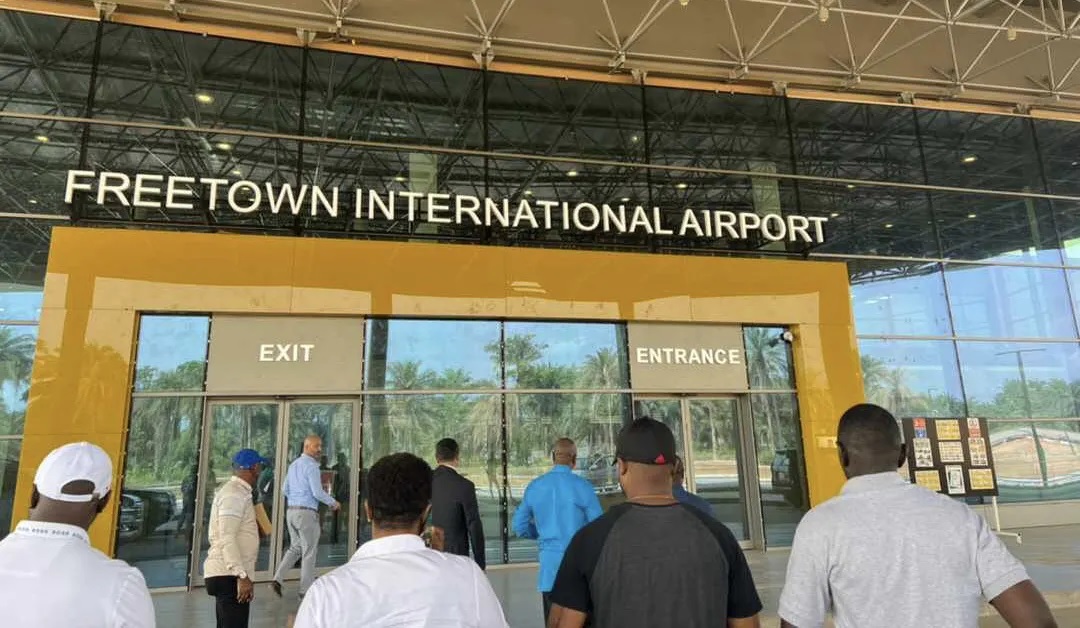
Despite the low overall score, the government has activated the Public Health Emergency Operations Center, updated surveillance protocols, deployed ambulances at Freetown International Airport, identified isolation facilities, and intensified risk communication campaigns.
Officials also demonstrated a new digital travel portal designed to strengthen border health surveillance and traveler screening.
In closing remarks, Prof. Foday Sahr and Dr. Mustapha Kabbah called for sustained coordination among stakeholders, stressing regular training and simulation exercises as essential for outbreak readiness.
The government reaffirmed its commitment to strengthening the public health system, with officials noting: “Preparedness today is the shield that protects tomorrow’s lives.”
I appreciate the government of Sierra Leone and the health departments in our country. Pls we need to reflect on the the past years. May God continue to prevent us from the Ebola outbreak. AMEENA INSHALLAH. And we really need to put measures and security procedures in place.Omce more i thank the entire health departments for everything. May Allah grant us safety from their stressful situations Ebola. Aamee