

Government Subsidy Does Not Buy Our Silence – SLAJ President Kamara Declares at 2026 AGM
 Sia Lucy Kannah
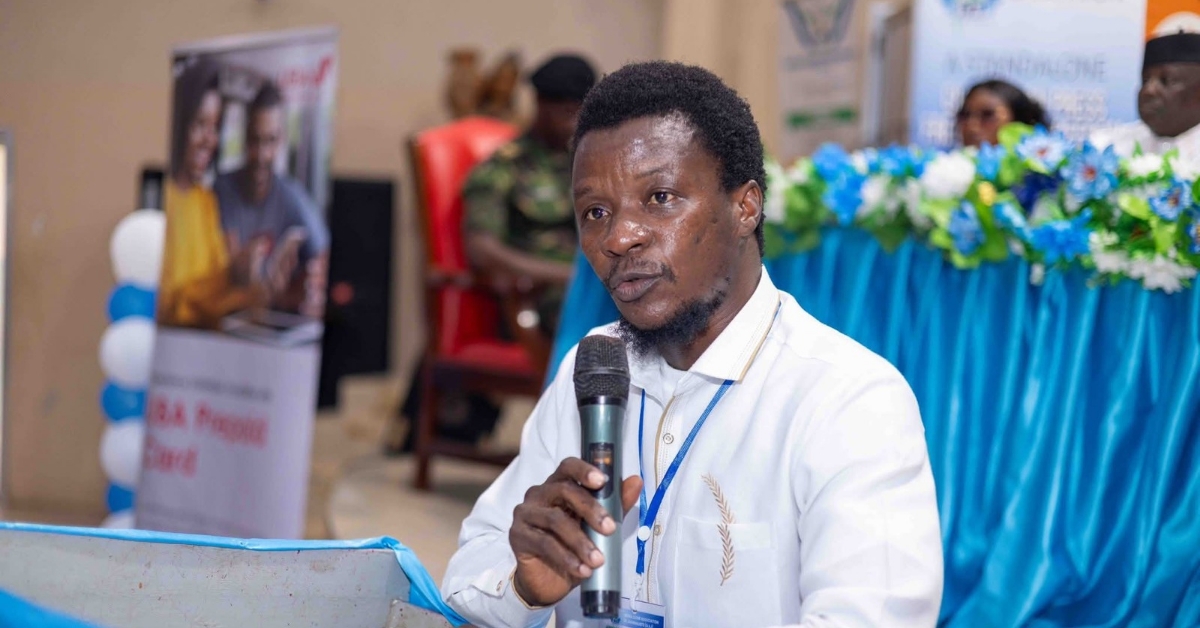
 The President of the Sierra Leone Association of Journalists (SLAJ), Alhaji Manika Kamara, has strongly defended the association’s editorial independence, pushing back against public scrutiny over its receipt of an annual government subsidy.
Speaking at the opening ceremony of the SLAJ Annual General Meeting (AGM) on June 12, 2026, at the UNIMAK Hall in Makeni, Kamara insisted that accepting public funds does not compromise the media’s duty to hold power accountable.
“Let me state clearly that this support is neither unusual nor a compromise of our independence,” Kamara told a gathering of journalists, regional executives, and distinguished guests. “Accepting such support does not diminish our responsibility to hold governments accountable, nor does it silence our voice when issues affecting media freedom, transparency, or good governance arise.”

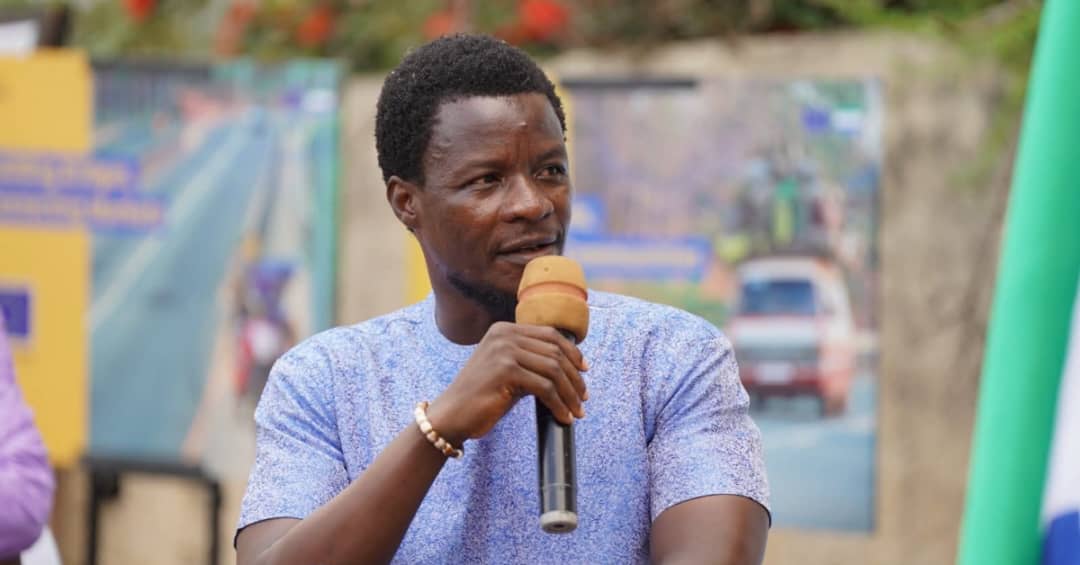
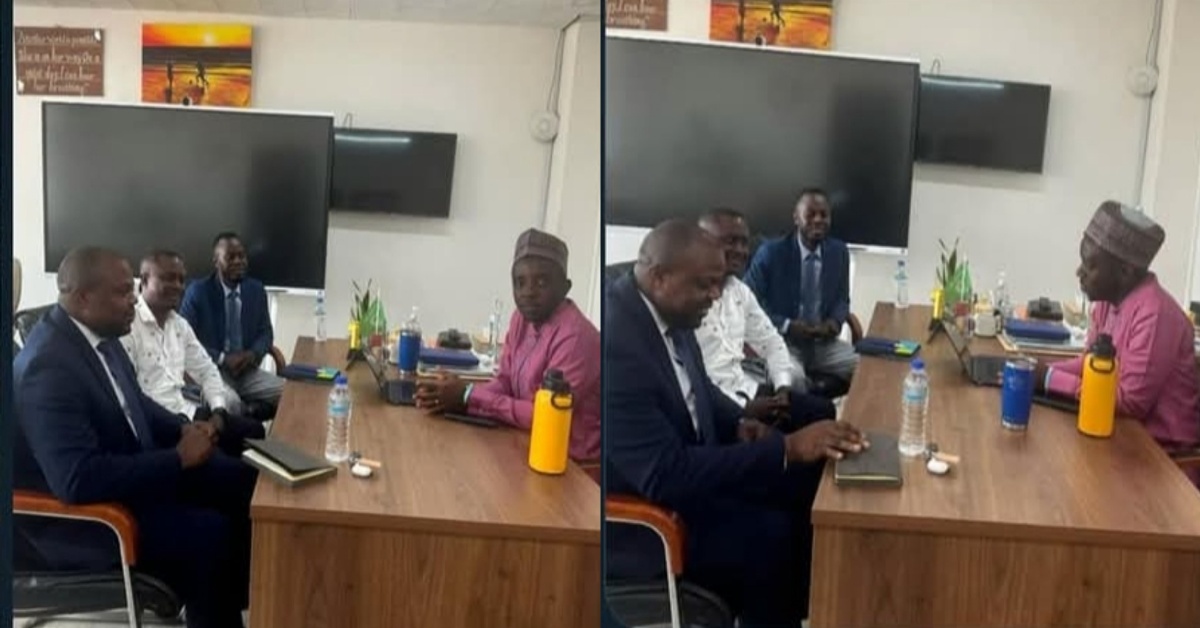
The theme of this year’s 55th AGM, “Strengthening Sierra Leone’s Economy Through Responsible Journalism,” framed much of the opening day’s dialogue. However, it was Kamara’s direct address regarding the government subvention, disbursed just before the press corps traveled to Makeni, that drew the sharpest boundary between financial support and political patronage.
Kamara argued that the subsidy is a standard statutory allocation for a recognized professional body serving the public interest. He noted that universities, civil society groups, and international media-support organizations routinely draw from public coffers while maintaining strict operational boundaries.
“The true test is not where funding comes from, but whether the institution remains willing to speak truth to power when necessary,” Kamara stated, adding that SLAJ’s history of critical and independent reporting speaks for itself.
Beyond the funding debate, the SLAJ President used the platform to map out the association’s ongoing legislative fights. Chief among them is the aggressive lobbying for a standalone “Chapter 12” in Sierra Leone’s ongoing constitutional review process. SLAJ is demanding explicit, immutable constitutional guarantees for press freedom and the safety of journalists to insulate the industry from shifting political climates.
The association is also pivoting heavily toward specialized training to navigate an increasingly complex economic and technological landscape. Kamara highlighted recent capacity-building programs aimed at equipping female journalists with advanced digital media tools and specialized public financial management reporting skills.