

25 FSU Personnel Receive Training on SGBV Case Management in Western Area
 Osman Tolo Sesay
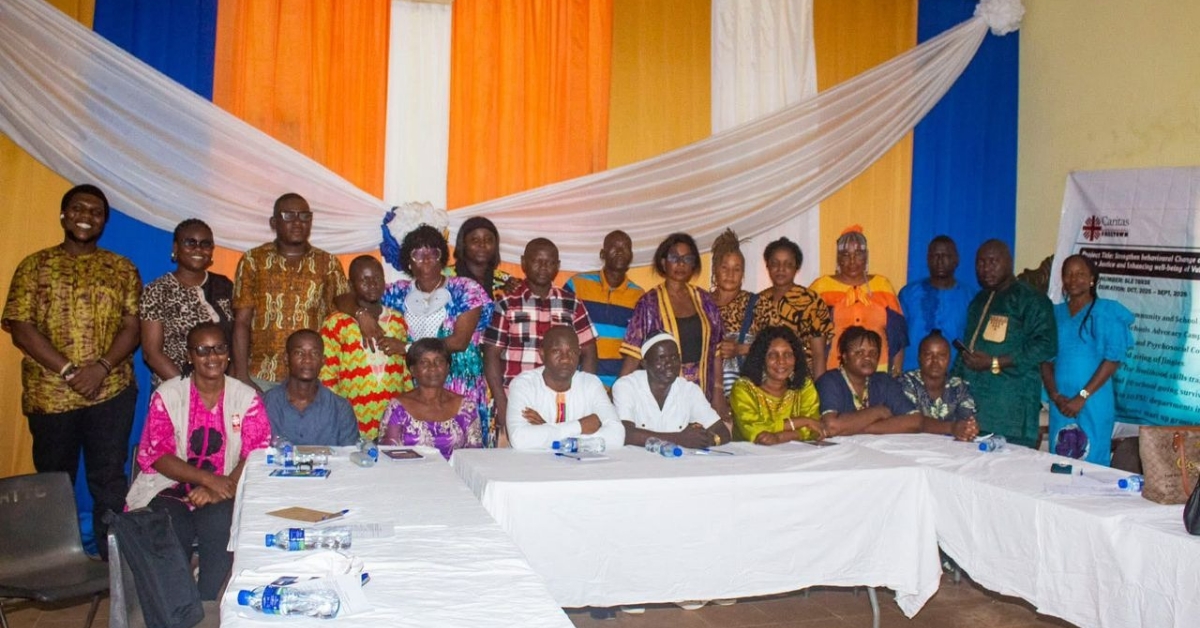
 A total of 25 personnel from 10 Family Support Unit (FSU) divisions have completed a two-day training on case management and psychosocial approaches aimed at strengthening responses to sexual and gender-based violence (SGBV) in the Western Area.
The training, held on 18 and 19 June 2026 at Twin Hall in Hastings, was organized under the Strengthening Behavioural Change on SGBV Prevention, Promoting Access to Justice and Wellbeing for Vulnerable Women and Girls in the Western Area Project. It focused on enhancing officers’ capacity to handle SGBV cases through survivor-centred approaches, effective case management, and improved referral systems.
At the opening session, project staff emphasized the importance of equipping FSU officers with the necessary skills to better support survivors and improve service delivery. A pre-training assessment was also conducted to measure participants’ baseline knowledge on key SGBV-related topics, including access to justice, evidence management, and referral pathways.

Facilitating the sessions, Inspector Michael M’beteh of the Sierra Leone Police Family Support Unit in Calaba Town stressed that effective case management and survivor protection remain central to the work of FSU officers. He underscored the need for confidentiality, informed consent, and professional handling of complaints in a safe environment.



He further highlighted the importance of proper evidence collection, thorough investigations, and coordination with medical, legal, and social welfare services, while urging officers to maintain professionalism and resist external interference.
Participants also engaged in practical group exercises based on real-life SGBV scenarios, including case handling involving the sexual penetration of a minor. The exercise covered procedures such as medical referrals, witness statements, evidence gathering, and lawful arrest processes.
Speaking on behalf of participants, Sergeant Amie Kpange of the Newton Police Station FSU described the training as a valuable refresher, noting that confidentiality remains essential in handling SGBV cases. She added that the knowledge gained would be shared with colleagues to improve service delivery at station level.
At the end of the training, participants undertook a post-training assessment to evaluate knowledge gained and reinforce learning outcomes. Organizers said the initiative forms part of ongoing efforts to strengthen institutional responses to SGBV and improve access to justice and psychosocial support for vulnerable women and girls in the Western Area.